
When you get home after a ridiculously long day, the thought of cooking can be just… exhausting, right? But I absolutely refuse to cave and order takeout when I know I can whip up something way better, faster, and healthier right here in my own kitchen. That’s where this **Vegetarian Chow Mein** swoops in to save the day! Honestly, this is the quickest, most ridiculously flavorful stir-fried noodle dish you are ever going to attempt. It comes together in under thirty minutes, and I’m not kidding. I spent years wrestling with achieving that perfect *wok hei* flavor without burning everything. The secret is all in the timing, which I’ve dialed in perfectly for you below. Get ready for restaurant-quality vegetable noodles that seriously taste like they took hours!
Why This Vegetarian Chow Mein Recipe Works So Well
Look, I get it—stir-frying can seem intimidating, but this recipe is designed for maximum impact with minimal fuss. It’s all about efficiency! You’re looking at a full meal in about a half-hour start to finish, which is amazing for weeknights.

- It’s outrageously fast: 15 minutes of prep and 15 minutes of cooking. Done!
- The flavor profile is spot on—savory from the soy sauce, but that little bit of sugar brightens everything up nicely.
- It uses simple, happy vegetables that don’t require fussy knife work, making this **Vegetarian Chow Mein** a breeze.
Quick Prep and Cook Times for Your Vegetarian Chow Mein
Seriously, the math is simple: 15 minutes to chop up the cabbage, mushrooms, and grate the ginger, and then 15 minutes of high-energy wok time before you’re eating. That’s why I love this **Vegetarian Chow Mein** so much; it respects your time! Just remember my big tip: you absolutely have to get that wok screaming hot before anything goes in. That high-heat stir-fry technique is what keeps the vegetables crisp instead of steaming them into mush.
Essential Ingredients for Perfect Vegetarian Chow Mein
Okay, gathering your ingredients is half the battle, and trust me, quality matters here. You can’t skimp on the essentials if you want this **Vegetarian Chow Mein** to taste authentic and bright. We need flavor, texture, and that incredible aroma that fills the whole house when you start cooking!
Noodles and Vegetables for Your Vegetarian Chow Mein
First up, the noodles! You’ll need 8 ounces of chow mein noodles. If you can find the fresh kind—the ones that come refrigerated—grab those; they cook up perfectly tender. If you’re using dried, just boil them until they are barely done—al dente is your friend here because they’ll cook more in the wok.
For the veggies, keep it simple and sliced thin: about a cup each of shredded cabbage and thinly sliced carrots. A cup of sliced mushrooms adds great earthy depth, too. The key is that everything should be roughly uniform so it cooks evenly during that fast stir-fry process.
Flavor Builders: Aromatics and Sauce Components
This is where the magic happens! You absolutely must use fresh aromatics; don’t even think about that jarred minced garlic. We need 2 cloves of garlic, minced finely, and a generous tablespoon of fresh ginger, grated. If you use powdered ginger, I won’t tell anyone, but your **Vegetarian Chow Mein** won’t sing!
For the sauce, keep it balanced: 1/4 cup of soy sauce (low sodium is fine, but taste it first!), 1 tablespoon of nutty sesame oil, and just 1 teaspoon of sugar to counteract the saltiness. Oh, and make sure you have a tiny pinch of white pepper ready to go in with that sauce mixture—it adds a lovely little background warmth.
Step-by-Step Instructions for Making Vegetarian Chow Mein
Alright, time to put on your apron and turn up the heat! Making a great stir-fry is more about choreography than cooking time. The key to preventing flat, soggy **Vegetarian Chow Mein** is managing what goes into the pan and exactly when it goes in. Don’t panic—I’ve broken it down so you nail it every single time, even if you’re using a regular heavy skillet instead of a professional wok. If you are looking for a similar technique applied to meat, check out my recipe for chicken stir-fry with veggies; the high-heat method is the same!
Preparing the Noodles and Initial Vegetable Stir-Fry
First thing first: your noodles. Cook them according to the package, but I always pull them off the heat about a minute early. They need to be slightly chewy! Drain them well, and right away, toss them with about a teaspoon of your vegetable oil. This keeps them from clumping into one giant noodle ball while you work on the veggies. Trust me, this tiny step saves so much headache later!
Now for the heat! Get your wok or largest skillet smoking hot over high heat. Add your 2 tablespoons of vegetable oil—it should shimmer instantly. Toss in the carrots and cabbage first. They are the firmest, so give them a good 3 to 4 minutes of constant tossing until they start looking bright and just slightly tender-crisp.
Building the Flavor Base and Finishing the Vegetarian Chow Mein
Once those veggies are happy, clear a little space in the middle and drop in your minced garlic and grated ginger. You only cook these for about 60 seconds—just until you can really smell that gorgeous aroma. If you leave them too long, they burn, and that bitterness ruins the whole dish, so watch them closely!
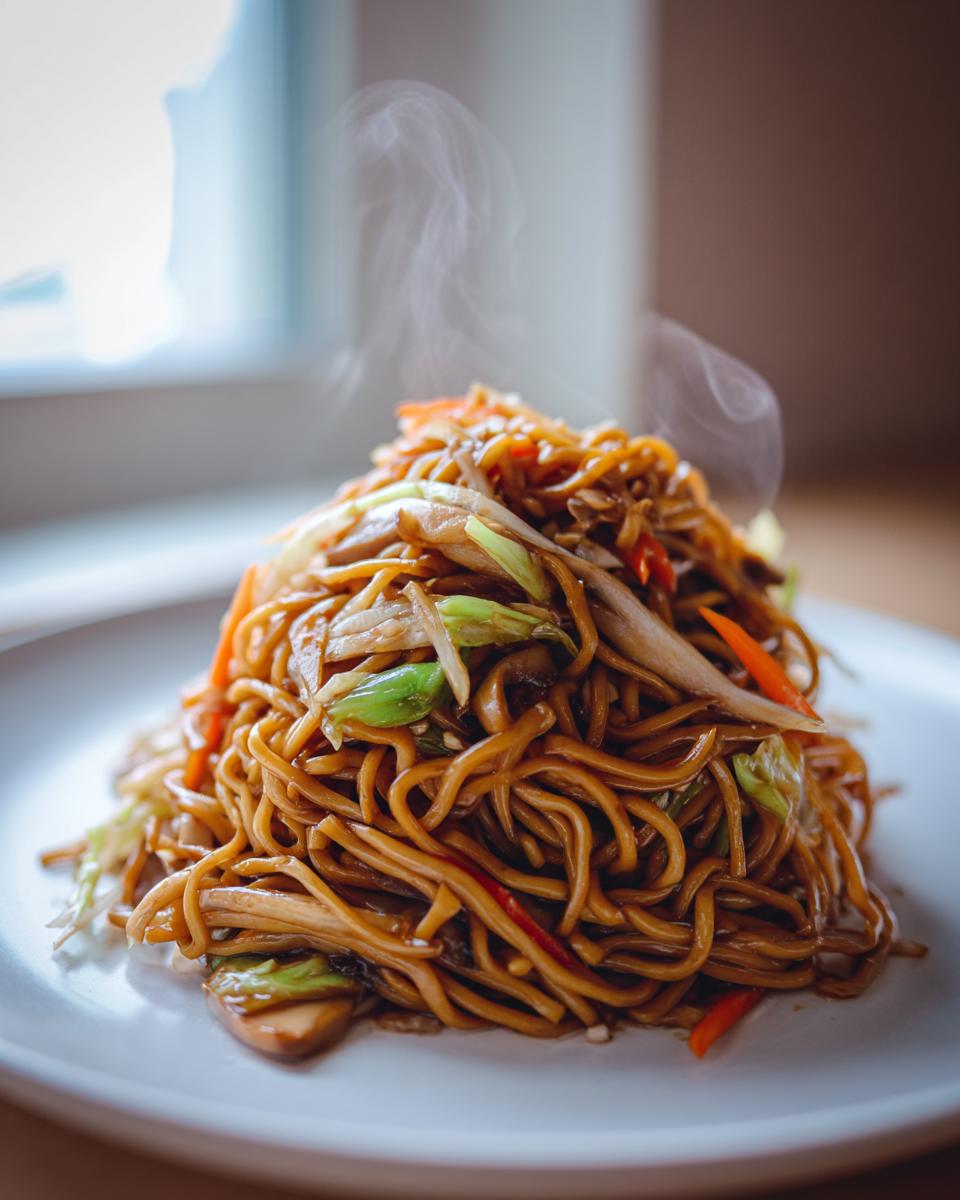
Next, add your cooked noodles right into the pan with everything else. While those noodles warm up, pour over that pre-mixed sauce! Now for the crucial part: toss everything together quickly and constantly for about two minutes. That high heat flash-cooks the sauce onto the noodles, locking in flavor without steaming them. This rapid tossing is what keeps the texture perfect in your final **Vegetarian Chow Mein**.
We want those noodles coated but not swimming! When you see that everything is perfectly glazed and hot, stir in those sliced green onions—they only need about 30 seconds to wilt slightly. That’s it! Dinner is served.
Tips for Success with Your Flavorful Vegetarian Chow Mein
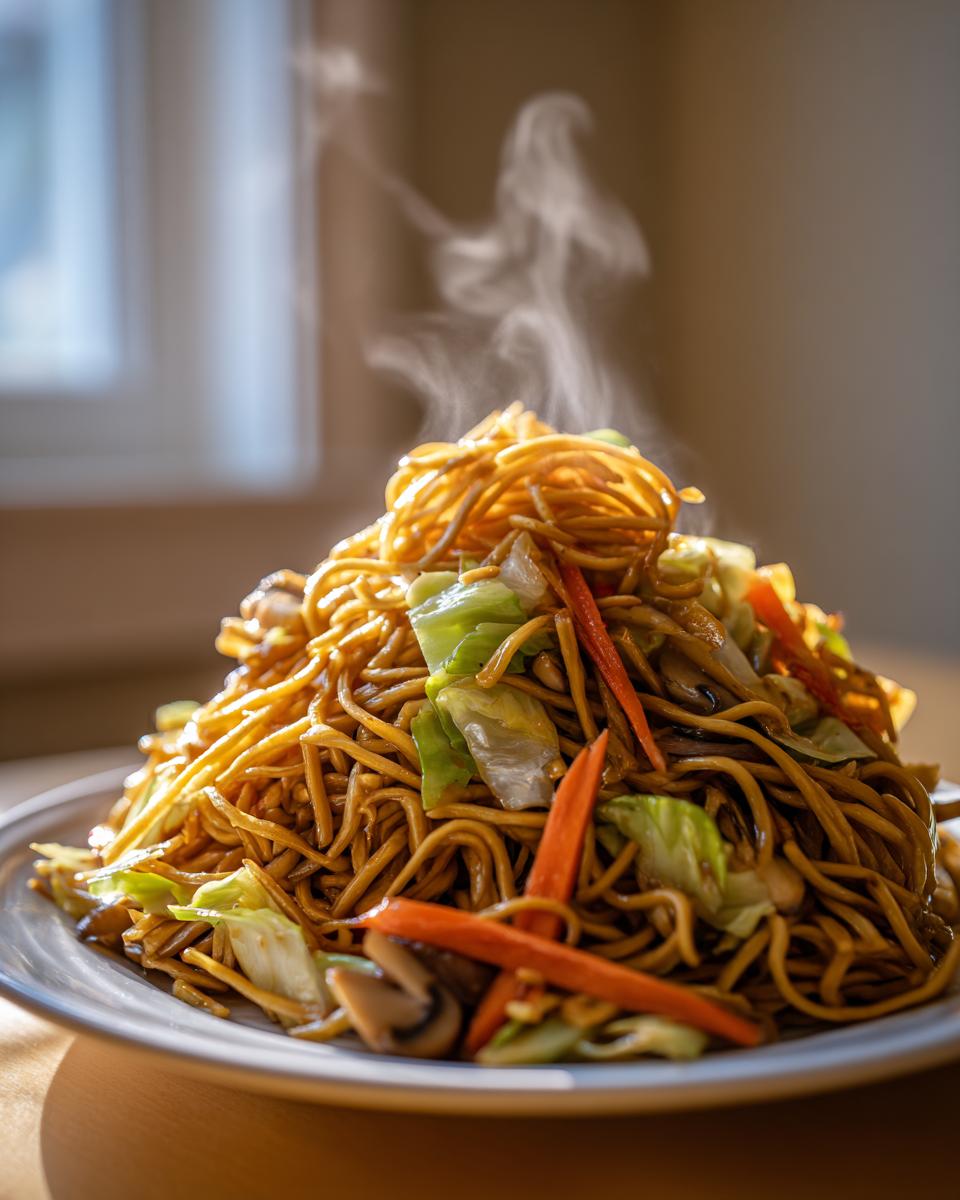
Even the easiest recipes can trip us up if we don’t know the little secrets designers bury in the steps, right? I’ve cooked this dozens of times, and I have a few insider tricks to make sure your **Vegetarian Chow Mein** is never gluey or bland. You want that satisfying slurp, not a big pile of mush!
- For extra zing, I always follow my own advice and pop in that dash of white pepper with the soy sauce. It just wakes everything up!
- If you are feeling inspired for more noodle magic, I have another killer one-pan recipe you might want to check out: fried noodles—so delicious in just one pan, fast!
Avoiding Soggy Noodles in Your Vegetarian Chow Mein
This is kitchen enemy number one! The secret here is threefold. Make sure those noodles are drained until they actually feel dry, not just drip-drip-dripping. Then, toss them with a bit of oil before they even hit the wok. Finally, when you add them to the hot pan with the sauce, you have to move fast. Keep tossing them vigorously while everything heats through; that rapid movement prevents them from sitting still and turning soft.
Vegetable Substitutions for This Vegetarian Chow Mein
Don’t feel locked into my original lineup if you don’t have mushrooms! This is a great template recipe. You can absolutely swap in other firm vegetables if you like. Broccoli florets or slices of bright red or yellow bell peppers work wonderfully here. Just remember that denser veggies, like a thick piece of raw broccoli, might need a minute or two longer in the initial stir-fry step before you add the ginger and garlic. We still want them crisp!
Ingredient Notes and Substitutions for Vegetarian Chow Mein
I want your **Vegetarian Chow Mein** to be perfect for *your* pantry, so let’s talk about substitutions. The recipe is adaptable, but a few choices really elevate the final dish. For instance, the soy sauce: if you happen to deal with gluten sensitivities, don’t skip this step! You can easily swap the standard soy sauce out for an equal amount of tamari. Tamari gives you that beautiful salty depth without the wheat, and honestly, the flavor profile is just as rich.
Also, remember I mentioned white pepper? That’s one of my non-negotiable flavor boosters for this dish. It’s vastly different from black pepper; it’s sharper and much earthier, and it just blends perfectly with the savory notes of the soy sauce in this **Vegetarian Chow Mein**.
When it comes to the sesame oil, please use toasted sesame oil, not plain sesame oil. Toasted sesame oil is potent, fragrant, and you only need that tablespoon. If you accidentally use plain oil, you’ll end up with a dish that tastes flat, even though you followed the steps perfectly!
Serving Suggestions for Your Homemade Vegetarian Chow Mein
Once your **Vegetarian Chow Mein** is sizzling hot and perfectly coated, you’ve got to dress it up right before it hits the table. Garnishes aren’t just for looks, they actually add layers of flavor and texture that make the dish absolutely sing!
I always keep a little bottle of chili oil handy. A drizzle right on top adds a fantastic little kick that cuts through the savory sauce beautifully. Also, don’t forget toasted sesame seeds! They add a nutty crunch that is just divine. If you want something cooler on the side, serving this with a simple, crisp cucumber salad dressed with rice vinegar makes for a perfect pairing.
Storage and Reheating Instructions
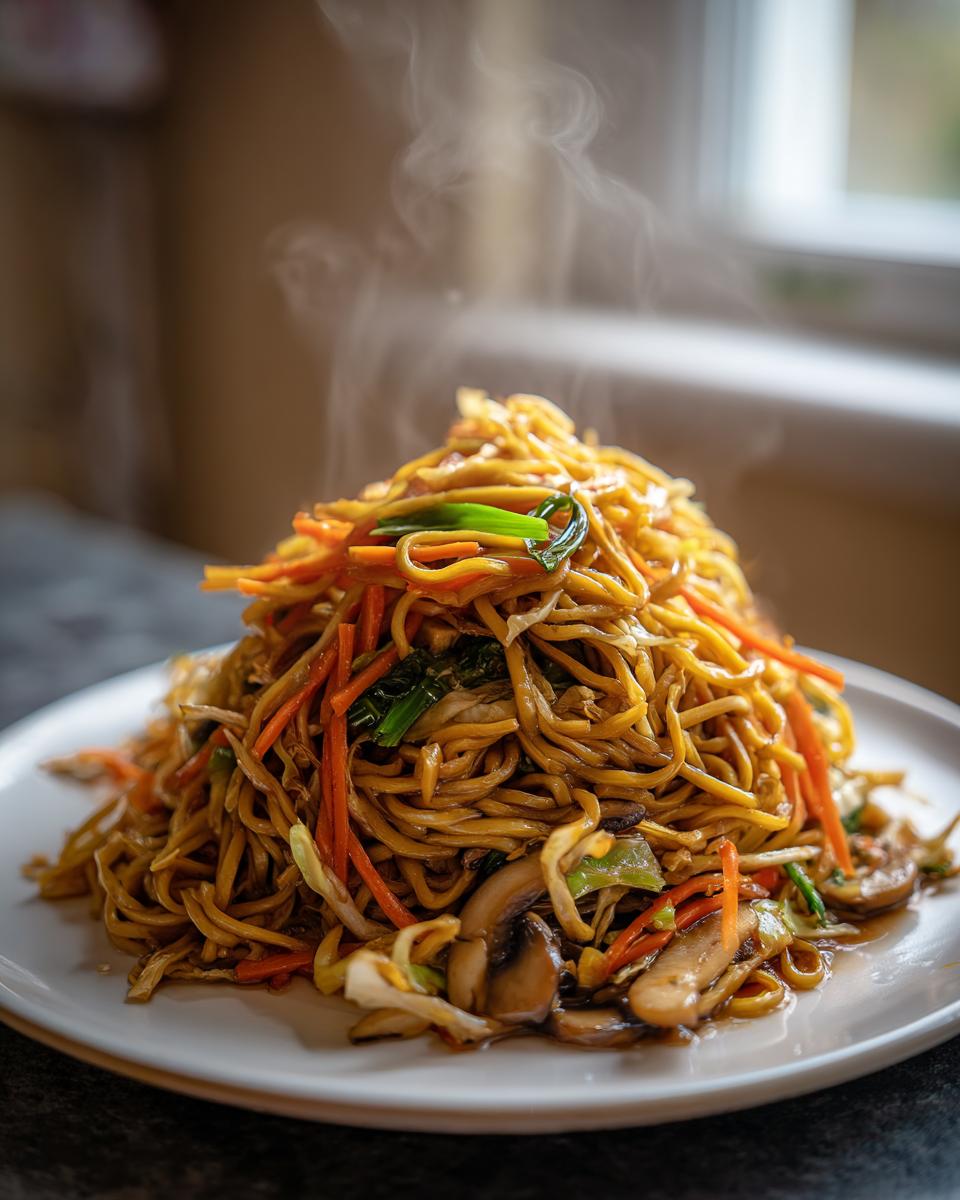
Listen, this **Vegetarian Chow Mein** tastes amazing the first night, but sometimes you get leftovers, which is great! Store them, tightly covered, in the fridge for up to three days. Now, the big question: reheating. Please, I beg you, avoid the microwave if you can! It just steams the noodles and makes them gummy.
Instead, throw the leftovers back into a hot, dry skillet for just a minute to heat them up. If they seem a little dry from sitting overnight, splash in just one teaspoon of water or a tiny bit of extra soy sauce right before tossing in the hot pan. That little bit of steam revives the noodles perfectly!
Frequently Asked Questions About Vegetarian Chow Mein
Since we are getting into the nitty-gritty details, I figured we should tidy up any lingering questions you might have about making the best **Vegetarian Chow Mein**! It’s always good to know your options!
Can I add protein to this Vegetarian Chow Mein?
Absolutely, you can bulk this up! Since this is a vegetarian recipe, I highly recommend using tofu. Just be sure to press that tofu super well first—I mean, really squeeze all the liquid out—and then pan-fry it separately until it’s golden brown and a little crispy BEFORE you add it into the wok with the other vegetables. Edamame works beautifully too, tossed in with the green onions at the very end!
What kind of noodles work best for Chow Mein?
This is where personal preference comes in! If you can find the thin, fresh egg noodles, those are my absolute favorite for the best texture in stir-fried noodles. They cook so fast! If you’re using the dried kind, you must make sure you boil them only until they are just barely soft. If you cook dried noodles all the way through at home, they turn to mush in the wok when you try to make your vegetable noodles. Stick to a slightly undercooked state!
If you are interested in the aesthetic side of things, I found this fun article about noodles and aesthetic joy that might give you some inspiration for plating!
Estimated Nutritional Information for Vegetarian Chow Mein
Now, I’m not a nutritionist, so take these numbers with a grain of salt—or maybe a dash of soy sauce, whichever you prefer! Based on the ingredients list, one serving of this **Vegetarian Chow Mein** clocks in around 350 calories. You’re looking at about 10g of fat, 55g of carbohydrates, and 12g of protein. This is just an estimate, remember, and if you substitute ingredients or use more oil, that number will certainly change!
Print
Vegetarian Chow Mein
- Total Time: 30 min
- Yield: 4 servings 1x
- Diet: Vegetarian
Description
A simple recipe for stir-fried noodles with mixed vegetables.
Ingredients
- 8 oz chow mein noodles
- 2 tablespoons vegetable oil
- 1 cup shredded cabbage
- 1 cup sliced carrots
- 1 cup sliced mushrooms
- 1/2 cup sliced green onions
- 2 cloves garlic, minced
- 1 tablespoon grated fresh ginger
- 1/4 cup soy sauce
- 1 tablespoon sesame oil
- 1 teaspoon sugar
Instructions
- Cook chow mein noodles according to package directions. Drain and set aside.
- Heat vegetable oil in a large skillet or wok over medium-high heat.
- Add cabbage, carrots, and mushrooms to the skillet. Stir-fry for 3-4 minutes until vegetables start to soften.
- Add garlic and ginger. Stir-fry for 1 minute until fragrant.
- Add the cooked noodles to the skillet.
- In a small bowl, mix soy sauce, sesame oil, and sugar. Pour the sauce over the noodles and vegetables.
- Toss everything together until the noodles are evenly coated and heated through, about 2 minutes.
- Stir in green onions just before serving.
Notes
- For extra flavor, add a dash of white pepper with the soy sauce mixture.
- You can substitute other firm vegetables like broccoli florets or bell peppers.
- Prep Time: 15 min
- Cook Time: 15 min
- Category: Main Course
- Method: Stir-Frying
- Cuisine: Asian
Nutrition
- Serving Size: 1 serving
- Calories: 350
- Sugar: 5
- Sodium: 750
- Fat: 10
- Saturated Fat: 1.5
- Unsaturated Fat: 8.5
- Trans Fat: 0
- Carbohydrates: 55
- Fiber: 4
- Protein: 12
- Cholesterol: 0
Keywords: Vegetarian Chow Mein, stir-fried noodles, vegetable noodles, Asian noodles, easy chow mein