
Oh my gosh, you HAVE to try making Msemen! Seriously, forget every flatbread you’ve ever had. This isn’t just a pancake; it’s an experience. That moment when you bite into a freshly cooked Msemen Moroccan Pancake, and you hear that slightest crisp sound before hitting the soft, chewy center? That’s the magic of the layers. It’s flaky, slightly chewy, and absolutely perfect for stuffing with cheese or drowning in honey for breakfast.
When I first learned this recipe from my neighbor who grew up near Marrakesh, I thought it was impossibly complicated because of how fancy it looks. But honestly, the secret isn’t in fancy equipment—it’s all about patiently folding the dough with oil and butter. That layering technique is what makes this authentic, flaky, layered Msemen Moroccan Pancake so incredible. Trust me, once you get the hang of the folds, you’ll be making these every weekend. It’s easier than it looks, I promise!

Why You Will Love Making Msemen Moroccan Pancake (Experience & Trust)
I know it looks like there are forty steps involving mysterious folding techniques, but I’m telling you, making this Msemen is ridiculously rewarding. That first lift of the cooked bread, seeing the hidden layers puff up? Pure kitchen triumph! You gain instant bragging rights when you pull this off.
Here’s why you should stop scrolling and start mixing:
- The flaky layers are unbelievable. That texture just can’t be beat, honestly.
- It has this wonderful, sturdy chewiness that holds up perfectly to dipping or topping.
- It’s so versatile! You can treat it like a savory bread for dinner or load it up with sweet goodness in the morning.
- It looks way more advanced than it actually is—prepare for compliments! If you ever doubted your bread-making skills, this is the recipe that proves you can do anything. It’s almost as straightforward as making simple pita bread, but way more impressive.
Essential Ingredients for Perfect Msemen Moroccan Pancake
Okay, let’s get down to brass tacks: the ingredients. You don’t need a massive shopping list for authentic Msemen, but the few things we do use really matter. We’re using a mix of all-purpose flour and fine semolina. That semolina is the secret glue that gives these Moroccan pancake layers structure and that slightly grainy, toothsome chew we’re chasing. Everything else is pretty standard, but please measure your water!
Here’s what you need to gather:
- 2 cups all-purpose flour
- 1 cup fine semolina flour (don’t substitute this loosely; it really helps!)
- 1 teaspoon instant dry yeast
- 1 teaspoon salt
- 1 tablespoon sugar
- About 1 1/2 cups of warm water—aim for that comfortable bath temperature, maybe 105°F to 115°F. Too hot and you kill the yeast!
- 1/2 cup melted butter, kept warm for folding time
- 1/2 cup vegetable oil, for kneading and that critical cooking surface
Ingredient Notes and Substitutions for Msemen Moroccan Pancake
Listen up, this is where we earn our flaky layers early on. The temperature of your water is non-negotiable for the yeast. If it feels scorching hot when you dip your finger in, you’ve blasted your yeast, and your dough won’t rise properly. Keep it just warm enough to feel cozy!
Now, about that semolina: if you absolutely cannot find fine semolina, you *could* use fine cornmeal in a massive pinch, but I won’t lie—it changes the flavor and texture significantly. The beauty of great Msemen is that slightly dense chew you only get from semolina flour. Also, make sure your butter is *melted* but not scorching hot when you start folding; we want it liquid enough to coat the dough, not cook it!
Step-by-Step Instructions to Make Msemen Moroccan Pancake
Alright, here is where the magic happens. Don’t feel overwhelmed by the folding; just take it slow. The resting periods are genuinely what make this recipe work, as they let the gluten relax so you can stretch that dough impossibly thin later on. If you’re looking for a great primer on general pancake finesse, check out these pancake tips while you wait for your dough to rest between stages!
Mixing and Kneading the Msemen Dough
First things first, grab your biggest bowl. Dump in all your dry bits—the flours, the yeast, the salt, and the sugar. Give that a good whisk so everything is evenly distributed. Now, slowly start pouring in that warm water. You won’t need all of it, maybe just enough until you have a shaggy, messy heap of dough. Turn the whole thing out onto a surface slicked lightly with oil. Knead this for about five solid minutes. You want it smooth, but don’t panic if it stays a little tacky or sticky—that’s totally fine for Msemen!
Resting and Preparing the Dough Balls for Msemen Moroccan Pancake
Once you’ve kneaded it, divide that beautiful dough into 8 equal little portions. Roll them gently between your palms into neat balls. Brush every single ball liberally with oil, cover them all tightly with plastic wrap—use a damp cloth over the plastic if you want extra insurance against drying out—and let them nap for 30 minutes. This rest is crucial; it makes the dough relaxed and ready to stretch without fighting back.
The Layering and Folding Technique for Msemen Moroccan Pancake
This is the part that creates the flakiness! Mix your reserved melted butter and oil together in a small dish. This is our coating magic potion. Take one dough ball and stretch it out onto your oiled surface. Don’t be afraid to use your oiled hands to gently pull it into a thin square or rectangle. You want to see your workspace through it! Brush the entire top surface thoroughly with your butter/oil combo. Now, fold it like you’re folding a business letter: bring the top edge down to the middle, and then fold the bottom edge up over that. Brush the folded surface again! Then, fold it one more time, like you are closing a book. Cover that little folded square and let it sit for another 15 minutes. Yes, 15 more minutes! Repeat the process for the other seven balls. They get easier as you go, promise.
Cooking Your Msemen Moroccan Pancake on the Griddle
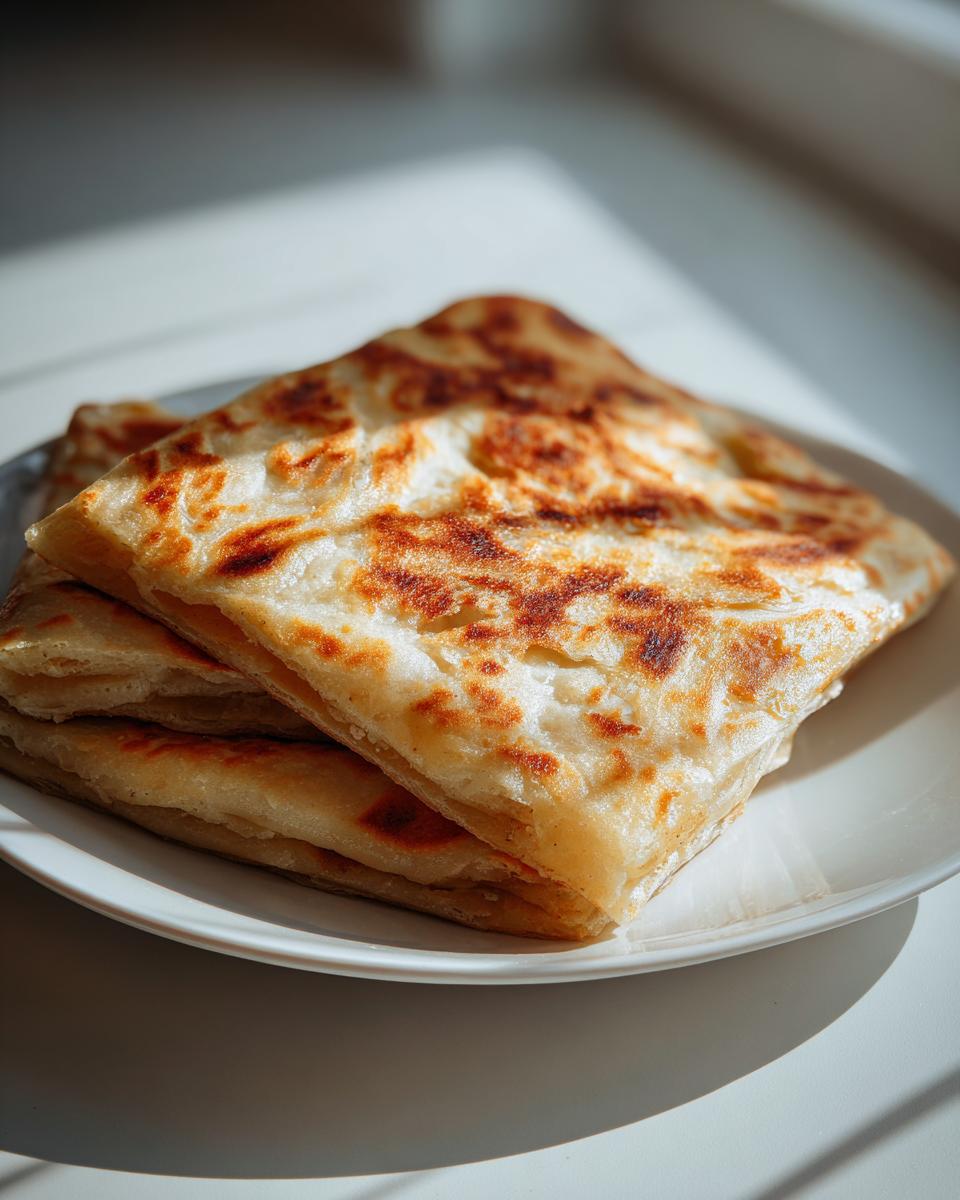
Time to cook! Get a heavy griddle or non-stick pan heating up over medium heat. You want it hot, but not smoking. Take one of your rested squares and, working gently, stretch it out just a hair more if you can manage it without tearing. Lay it onto that hot surface. Cook it for about 2 to 3 minutes per side. You are looking for lots of gorgeous, golden-brown spots and for the Msemen to puff up a bit. Once it’s cooked through and beautifully spotty, pull it off and get ready to eat!
Tips for Achieving Flaky Layers in Your Msemen Moroccan Pancake
Okay, let’s tackle that flakiness because that’s the whole point of making proper Msemen! If your layers end up fused together like a thick tortilla, odds are one of three things happened. First, you cut your resting times short. Don’t cheat the dough! Gluten needs to relax, or it fights you when you try to stretch it thin. If the dough snaps back hard when you pull it, chill out and let it rest another 10 minutes.
Second, check your oil/butter mixture consistency. If your butter was too hot when you brushed it on, it basically melts the previous layer’s structure instead of sealing it for separation later. It needs to be liquid and warm, not piping hot. When you’re stretching the dough out super thin—almost transparent—try to lift it repeatedly instead of pushing it flat. Use the oil, but don’t overload it until it’s puddling. A thin coat on every fold is perfect. It’s a delicate dance, but once you get that paper-thin sheet before folding, you’ve won half the battle. If you follow these steps, you won’t even need to worry about patching things up like when preparing simple pita bread!
Serving Suggestions for Your Msemen Moroccan Pancake
This is my favorite part! Honestly, Msemen is a fabulous blank canvas, and you can go in so many directions depending on what time of day it is or what you’re craving. If you’re serving these for a big spread, you absolutely have to offer a variety so everyone can customize theirs. I love setting out a small buffet of toppings!
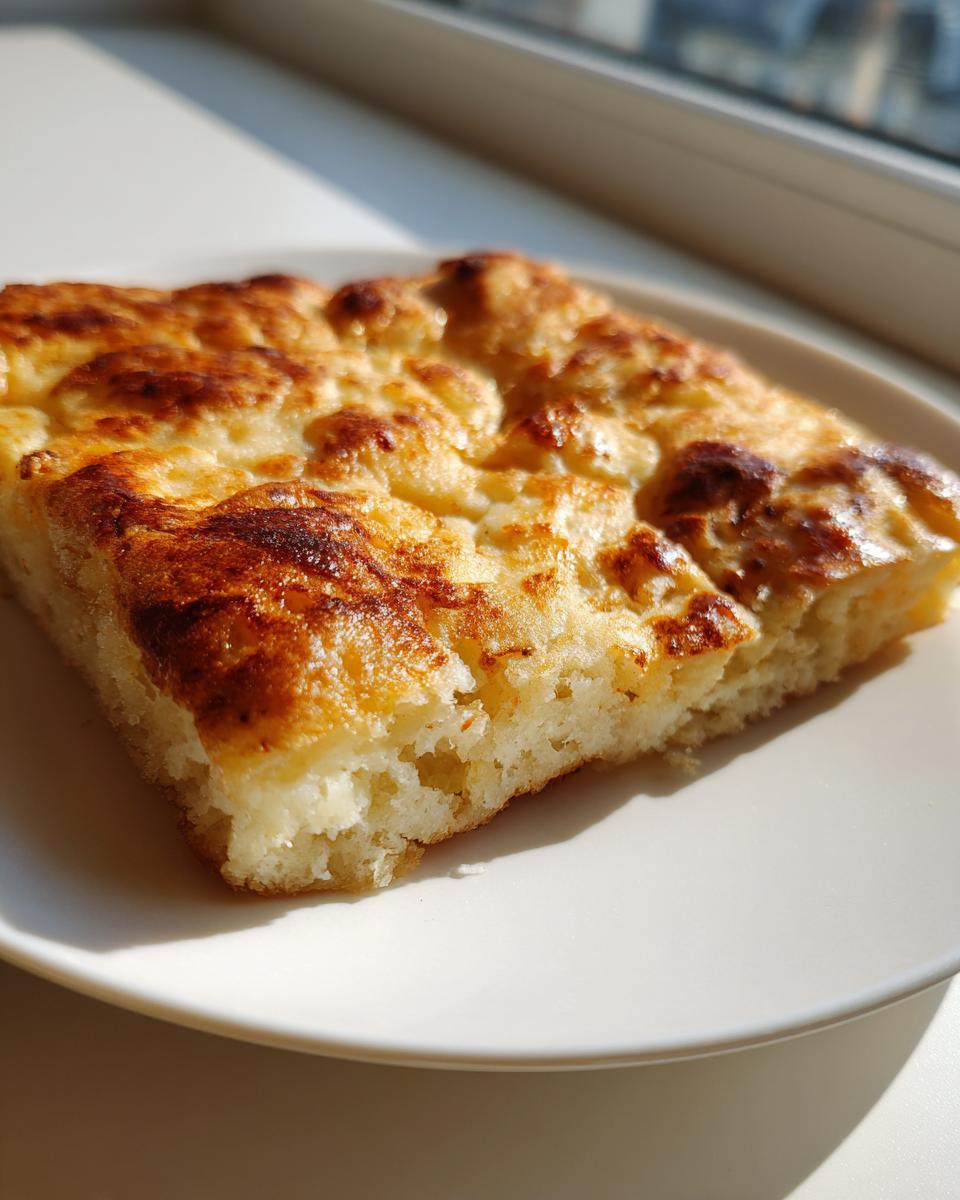
For a classic Moroccan breakfast setup, you need something rich and slightly salty. Keep it traditional by just drizzling the warm Msemen heavily with pure honey. Another favorite in my house is creamy white cheese—feta or even a dollop of farmer’s cheese works wonderfully. If you’re feeling extra decadent, mix some powdered sugar right into that soft cheese for a sweet-and-sour pop.
But don’t limit yourself to the sweet side! These are incredible savory vehicles too. I often make a huge batch and serve them alongside fried eggs, maybe with some olives and fresh mint on the side. They stand up so well to bold flavors. For a fun, casual brunch, why not treat them almost like wraps? A little scrambled egg and some chopped herbs tucked inside? Yep. If you’re looking for more brunch inspiration beyond the Msemen itself, you can find tons of great ideas over here on brunch pairing ideas that would match perfectly!
If you have any leftover, just sprinkle them with powdered sugar the next morning for a quick treat. They pair beautifully with a strong cup of mint tea or coffee, no matter how you top them.
Storage and Reheating Instructions for Msemen Moroccan Pancake
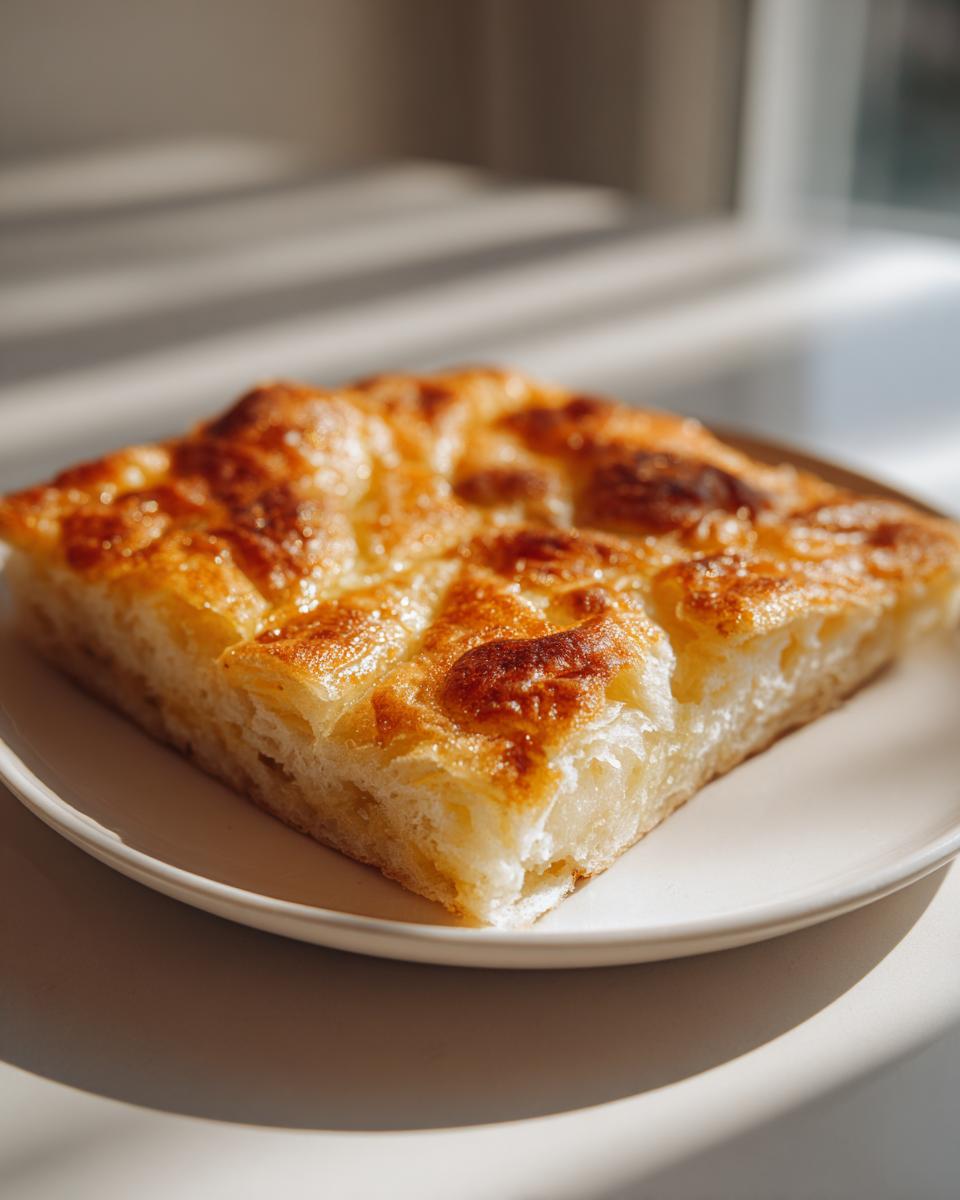
So, what happens when you actually manage to have leftovers? Because usually, I make a double batch and freeze half immediately! Msemen Moroccan Pancake is fantastic because it reheats beautifully, which is a huge win for busy mornings.
If you’re planning to eat them within a day or two, just keep them at room temperature. Make sure they are in a good, airtight container. If they sit out on a plate, they tend to dry out really fast because they are essentially just thin layers of dough and oil. The container traps that residual moisture inside and keeps them wonderfully pliable.
Storing Your Msemen for Later Use
For longer storage, freezing is the way to go. Once they’ve completely cooled down—and I mean completely cool, otherwise you’ll get freezer burn condensation—stack them up separated by a small square of parchment paper. This stops them from sticking together, which is an absolute nightmare when you try to pull them apart frozen!
Pop the stacked, separated pancakes into a heavy-duty freezer bag, push out as much air as you possibly can, and they are good for about a month, maybe even six weeks if you wrapped them really well. They freeze totally flat, which is convenient for storage.
The Best Way to Reheat Msemen Moroccan Pancake
Reheating is where you bring back that fresh-off-the-griddle texture. DO NOT microwave them unless you want rubber discs, trust me on this. The best method is bringing them back to life in a dry, hot pan—just like when you cooked them first.
Get your griddle back over medium heat. Place the pancake (frozen or thawed) right onto the dry surface. You might need about 2 minutes on each side. This dries the surface slightly and re-crisps the outer edges without making the whole thing hard. If they feel a little stiff after the first minute, you can spritz the pan with just a tiny bit of water or oil—barely a spritz!—to create a little burst of steam. That steam works wonders to soften the interior layers again. If you’re reheating from frozen, they just take a few extra minutes per side until they are hot all the way through and you see those beautiful brown spots returning.
Troubleshooting Common Msemen Moroccan Pancake Issues
Even though this Msemen Moroccan Pancake process is intuitive once you get the hang of it, things can go wrong. Don’t sweat it! Most problems are just signs that the dough needed a little more time or a different handling technique. Like any layered bread, the dough has moods, and we just have to adapt to them.
Why does my dough tear when I stretch it?
This is the most common panic point, but seriously, just breathe and patch it up! Tearing happens when the dough is too cold or you’re pulling too aggressively right after the first rest. If the dough feels stiff or snaps back hard when you try to stretch it thin, it means the gluten hasn’t relaxed enough. Don’t force it! Cover it back up and walk away for another 10 minutes. That extra rest time is your best friend. If it tears slightly while you’re stretching it for the pan, don’t fret! Just pinch the edges back together; the oil mixture during the fold process usually seals things up nicely during cooking. You’ll be surprised how resilient this dough is.
My Msemen are tough, not flaky—what went wrong?
If you bite into your beautiful Moroccan pancake and it tastes more like chewy naan than flaky pastry, that’s almost always a resting issue combined with the folding. Toughness usually means the dough didn’t rest long enough after the folding stage. Remember, that second 15-minute rest is what allows those folded layers to separate slightly before they hit the heat. If they aren’t rested, they just bake into one solid, albeit tasty, layer.
Also, check your kneading time. If you kneaded it for too long or added too much flour during kneading (maybe to combat stickiness), you might have developed too much gluten, making the whole thing dense. It should be smooth when you divide it, but never stiff!
Why is my Msemen cooking unevenly or burning on one side?
This is purely a heat situation, and it’s so easy to fix! You need a medium, consistent temperature. If the griddle is too hot, the outside gets dark brown—maybe even black—before the inside has a chance to cook all the way through and puff up. If that happens, turn your heat down a notch immediately.
On the flip side, if the Msemen looks pale and seems to take forever to brown (like 5 or 6 minutes per side), your griddle is too cool. Low heat essentially steams the dough instead of frying it properly, which ruins the opportunity for those crispy, flaky edges. Aim for that sweet spot: about 2 to 3 minutes per side to get that gorgeous golden color and puff!
Frequently Asked Questions About Msemen Moroccan Pancake
I get so many questions about this recipe, especially since it’s an absolute staple for any authentic Moroccan breakfast! If you’re new to making this layered semolina flatbread, you probably have a few burning questions about the technique or ingredients. Don’t worry; I’ve gathered the most common ones right here to help you succeed on your first try!
Can I make Msemen ahead of time?
Yes, absolutely! That’s one of the best things about these pancakes. As I mentioned in the storage section, you can cook them all up, let them cool completely, and stack them with parchment paper in between. They store beautifully at room temperature for a day or two, or you can freeze them for much longer. The key is reheating them properly in a dry, hot pan to bring back that flakiness. You don’t want to end up with a sad, chewy layer, so skip the microwave!
What is the difference between Msemen and Rghayef?
This is a classic question! Honestly, for most people outside of the region, they are virtually the same thing. Both Msemen and Rghayef refer to this gorgeous, layered, square or rectangular flatbread. In some areas, Rghayef might be slightly thicker or used specifically for stuffed versions, while Msemen is the broader term for the plain one we are making here. If you master this recipe, you’ve mastered both! Think of them as twin cousins in the Moroccan bread family, both fantastic choices for a delicious Moroccan breakfast.
Do I need yeast for this Msemen Moroccan Pancake recipe?
Yes, you do need just a tiny bit of instant dry yeast, but it’s not there to make the Msemen rise like a loaf of bread. We are relying on the stretching and the fat layers for the majority of the puff and texture. The small amount of yeast we add just gives the dough a slight lift and contributes to that satisfying, slightly chewy texture in the interior of the semolina flatbread. If you left it out, the dough would still come together, but it would be much denser and less satisfying. Keep that yeast in there; it’s worth the extra minute!
Estimated Nutritional Data for Msemen Moroccan Pancake
Now, I always feel a little strange putting exact numbers next to my buttery, flaky goodness because I know this isn’t exactly a diet food! But for those of you keeping track, here are the general estimates based on the recipe ingredients. Remember, this is just a guideline for one pancake. Since we use quite a bit of oil and butter to get those amazing layers, the fat content reflects that—but oh, is it worth it!
- Serving Size: 1 pancake
- Calories: About 300
- Fat: 12g (mostly good unsaturated fat from the cooking oil)
- Carbohydrates: 42g
- Protein: 8g
Please know these are estimates! If you use less oil when you cook or swap out fats, your totals will change. This lovely Moroccan breakfast is made with love, not necessarily with precise lab measurements, so take these numbers with a grain of semolina!
Print
Msemen Moroccan Pancake
- Total Time: 80 min
- Yield: 8 pancakes 1x
- Diet: Vegetarian
Description
A traditional Moroccan layered flatbread, Msemen is flaky, slightly chewy, and perfect for breakfast or a snack.
Ingredients
- 2 cups all-purpose flour
- 1 cup fine semolina flour
- 1 teaspoon instant dry yeast
- 1 teaspoon salt
- 1 tablespoon sugar
- 1 1/2 cups warm water (approximate)
- 1/2 cup melted butter, for folding
- 1/2 cup vegetable oil, for kneading and cooking
Instructions
- In a large bowl, mix the all-purpose flour, semolina, yeast, salt, and sugar.
- Gradually add the warm water, mixing until a shaggy dough forms.
- Turn the dough out onto a lightly oiled surface. Knead for about 5 minutes until the dough is smooth but still slightly sticky.
- Divide the dough into 8 equal balls. Brush each ball lightly with oil, cover with plastic wrap, and let rest for 30 minutes.
- Prepare a workspace with oil and melted butter mixed together. Take one dough ball and flatten it into a thin square or rectangle using oiled hands.
- Brush the surface with the oil/butter mixture. Fold the dough like a letter (bring the top edge to the center, then the bottom edge over that).
- Brush the folded surface again with the oil/butter mixture. Fold the dough in half again (like closing a book).
- Cover the folded square and let it rest for another 15 minutes. Repeat with the remaining dough balls.
- Heat a large griddle or non-stick pan over medium heat.
- Take one rested square and gently stretch it out slightly without tearing.
- Cook the Msemen on the hot griddle for 2-3 minutes per side until golden brown and puffed.
- Remove from heat and serve immediately.
Notes
- You can serve Msemen plain, drizzled with honey, or with cheese.
- If the dough tears while stretching, simply patch it up; it will still cook well.
- Prep Time: 20 min
- Cook Time: 25 min
- Category: Breakfast
- Method: Pan-Frying
- Cuisine: Moroccan
Nutrition
- Serving Size: 1 pancake
- Calories: 300
- Sugar: 2
- Sodium: 350
- Fat: 12
- Saturated Fat: 5
- Unsaturated Fat: 7
- Trans Fat: 0
- Carbohydrates: 42
- Fiber: 2
- Protein: 8
- Cholesterol: 20
Keywords: Msemen, Moroccan pancake, semolina flatbread, layered bread, breakfast, griddle bread