
There’s just something about a bowl of hot soup when you need a hug from the inside, you know? When the weather turns chilly or I just need a quick, filling dinner, I skip all the fancy stuff and go straight for my classic, super easy Minestrone Soup. This isn’t the intimidating, hours-long version; this is the weeknight dream recipe!
I started making this batch years ago when I had a random collection of vegetables heading south in the crisper drawer and about thirty minutes to spare. It proved that you don’t need a ton of exotic ingredients to make something truly comforting. It’s packed with veggies and little bits of pasta, and it always feels like the healthiest thing I’ll eat all week. Seriously, this recipe is my go-to for scraping the fridge clean while still producing amazing, hearty results.

Why This Minestrone Soup Recipe Stands Out
When I tell you this recipe is a lifesaver, I mean it! It’s not fancy, but it delivers massive flavor in almost no time at all. Forget complicated simmering; we are talking about real food that comes together fast. It’s the perfect weeknight solution when you want something wholesome but don’t have hours.
Here’s why I keep coming back to this incredibly straightforward Minestrone Soup:
- It’s super quick! Prep time is barely fifteen minutes, and you’re eating in under 45 minutes total.
- Most ingredients are probably already in your pantry or fridge right now. No special trips needed!
- It’s completely forgiving. If you don’t have zucchini, throw in some leftover broccoli florets! It loves substitutions.
- Seriously hearty! Between the beans and the pasta, it feels like a complete meal in one bowl.
Essential Ingredients for Authentic Minestrone Soup
Okay, let’s talk specifics because the magic of a great Minestrone Soup really comes down to treating your simple vegetables right. You need the basics to build that delicious foundation. Don’t skip the aromatics; that’s where all the flavor starts! We aren’t using anything crazy here, just good, honest stove-top stuff.
Here is what you’ll need to gather up for a solid six servings:
- 1 tablespoon of good olive oil – don’t skimp on the oil, it helps the veggies soften up nicely.
- 1 medium onion, which needs to be finely chopped.
- 2 carrots, peeled and chopped into small, bite-sized pieces.
- 2 celery stalks, also chopped small so they integrate well.
- 2 cloves of garlic, minced very fine—we want flavor, not chunks!
- 6 cups of vegetable broth. This is the liquid gold of the soup!
- 1 (14.5 ounce) can of diced tomatoes, and you need to keep that juice—don’t drain it!
- 1 (15 ounce) can of cannellini beans, make sure you rinse them really well and drain off that canning liquid.
- 1 cup of fresh zucchini, chopped up.
- 1/2 cup of tiny pasta—I love ditalini but elbow macaroni works just fine.
- 1 teaspoon of dried basil for that classic Italian note.
- 1/2 teaspoon of dried oregano.
- Salt and black pepper to taste—taste as you go!
- And optionally, 1/4 cup of grated Parmesan cheese for serving, because cheese makes everything better.
Ingredient Notes and Substitutions for Your Minestrone Soup
This recipe is so flexible, which is why I love it for busy nights! If you’re out of zucchini, don’t panic. Feel free to swap it out for other firm veggies you have lying around. Chopped green beans are fantastic additions, or even some little bits of cauliflower or yellow squash will work beautifully in here. For an extra layer of flavor, the notes on the recipe mention you can use chicken broth instead of vegetable broth, but sticking to veggie broth keeps this one firmly in the vegetarian camp, which is my usual preference.
Also, if you happen to have some leftover cooked chicken or sausage, feel free to toss that in when you add the beans for a heartier non-vegetarian version! See? It’s so adaptable. If you want to check out how I handle substitutions in other hearty meals, take a peek at my thoughts on easy corn and zucchini chili—the philosophy is the same!
Equipment Needed for Perfect Minestrone Soup
Listen, you don’t need a fancy kitchen arsenal for this hearty Minestrone Soup. We keep it simple! You just need a large pot or Dutch oven—something big enough to hold all those vegetables and broth without boiling over. A sharp knife and a sturdy cutting board are essential for chopping everything evenly. That’s really it for the main cooking gear!
Step-by-Step Instructions to Make Minestrone Soup
Alright, time to put on your apron! Making this Minestrone Soup is purely linear, which I love because there’s no juggling ten different things at once. We build the flavor layer by layer, starting right at the bottom of that big pot of yours. Remember, good soup starts with a good sweat on the veggies!
- First things first, you’re heating up 1 tablespoon of olive oil in your large pot or Dutch oven over medium heat. Make sure the heat isn’t too high; we aren’t trying to fry these veggies, just coax them into softness.
- Next, toss in your chopped onion, carrots, and celery. These are the flavor trinity, so they go in first! You’ll want to cook these down until they start looking a little translucent and soft—I usually give them a good 5 to 7 minutes, stirring occasionally so nothing sticks. They need to be tender before we move on.
- Once they are softened up, stir in your minced garlic. Now, listen up—this is important! Garlic burns fast! You only need to cook it for about 1 minute more until you can really smell it fragrant. If it starts turning brown, pull the heat back because bitter garlic ruins a whole pot of soup, trust me! If you’re looking for more ways to boost vegetable flavor, check out my thoughts on the vegetable soup secret recipe, though this Minestrone is nearly perfect as is.
- Time to bring in the liquids. Pour in all 6 cups of vegetable broth and add your diced tomatoes, making sure to scrape in all those lovely bits of tomato juice from the can. Bring the whole thing up to a nice, rolling boil over higher heat.
- Once it’s boiling, reduce the heat right away so it’s simmering gently. Now you add the cannellini beans (remember, rinsed and drained!), the chopped zucchini, and your dried herbs—the basil and oregano. Let all those flavors marry together for a good 10 minutes while everything softens up nicely.
- Finally, it’s time for the pasta! Add your 1/2 cup of small pasta and cook it following the instructions on the package until it’s tender. For most tiny pastas, this usually takes about 8 to 10 minutes, but you should check for doneness. We don’t want mushy noodles!
- Give everything a thorough taste test. Add salt and black pepper until it tastes exactly right for your palate. Seriously, taste it before you serve it!
- Ladle it into bowls and top with that optional Parmesan cheese. Enjoy that hot goodness!
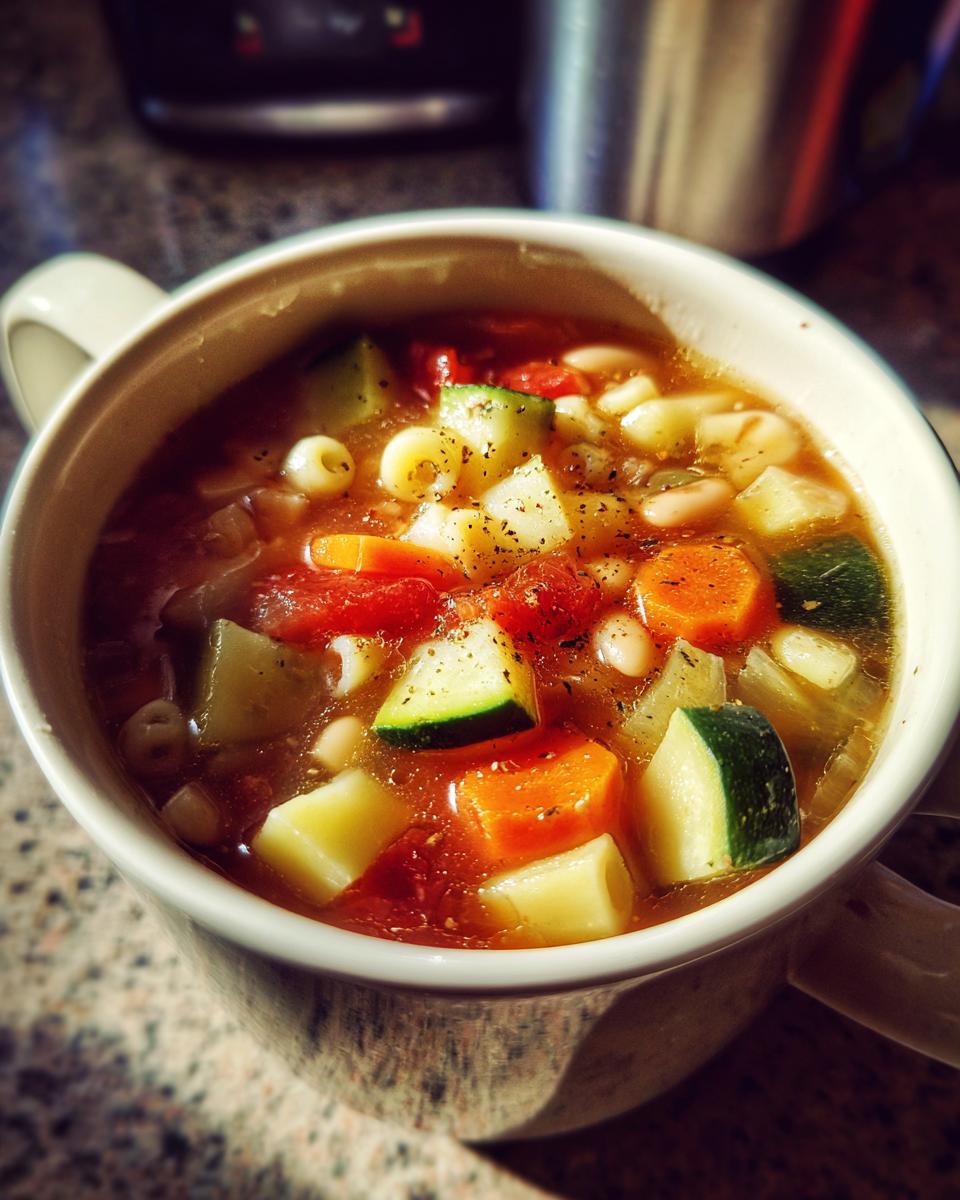
Tips for the Best Ever Minestrone Soup
Making good soup is great, but making great soup? That takes a couple of little secrets I picked up over the years. Since this Minestrone Soup relies on simple vegetables and dried herbs, we have to make sure every little component really shines before they all swim together.
If you want to elevate this from basic weeknight fare to something you’d happily serve company, try these three little tricks. I learned the hard way that dried herbs need a little encouragement to release their flavor, kind of like waking them up from a nap!
Bloom Your Dried Herbs First
When you add the basil and oregano in Step 5, the soup is already simmering, right? Well, instead of just dumping them in with the zucchini and beans, try this: Add your dried herbs right after the garlic in Step 3, just before you add the broth. Let them cook in that warm olive oil and the residual heat from the onions and carrots for about 30 seconds while you stir. This process, called “blooming,” wakes up the volatile oils in the dried herbs, making them taste about ten times better and much less dusty. It’s a small step that makes a huge difference in the final depth of flavor.
Don’t Skimp on Simmer Time for the Veggies
I get that we want this soup fast, but don’t rush the vegetable softening stage (Step 2) or the initial simmer with the broth (Step 5). You absolutely need those carrots, celery, and onions to get properly sweet and tender before you add the liquid. If they are too hard, they stay sharp and don’t blend into the overall flavor profile. Give those veggies that full 5-7 minutes to soften before the broth even hits the pan. It’s all about building depth so your final Minestrone Soup isn’t just ‘broth with stuff in it.’
Always Taste Before Serving (The Final Seasoning)
This is a huge one for any broth-based dish. Because we use canned tomatoes and ready-made broth, the sodium content can vary wildly between brands. That’s why Step 7—tasting and adjusting the salt and pepper—is non-negotiable. Hold off on heavy seasoning until the very end, after the pasta has cooked. Once the pasta is done, the liquid reduces a tiny bit, concentrating everything. Then, and only then, do you season until it tastes perfect for you. Sometimes it needs just a tiny pinch of salt, other times it needs a good grind of fresh black pepper!
Once you master these little touches, your soup will taste like you simmered it for hours. If you’re looking for other great Italian comfort foods, check out my thoughts on the famous Italian Penicillin Soup for when you’re feeling under the weather!
Serving Suggestions for Your Minestrone Soup
Now that you’ve got a big, steamy pot of perfect Minestrone Soup staring back at you, we have to talk about how to serve it up right! Soup is often humble, but presentation doesn’t have to be. Think of your bowl as a canvas ready for finishing touches that ramp up both the texture and the flavor profile. This isn’t just about pouring it into a bowl; it’s about giving it that last little *oomph*.
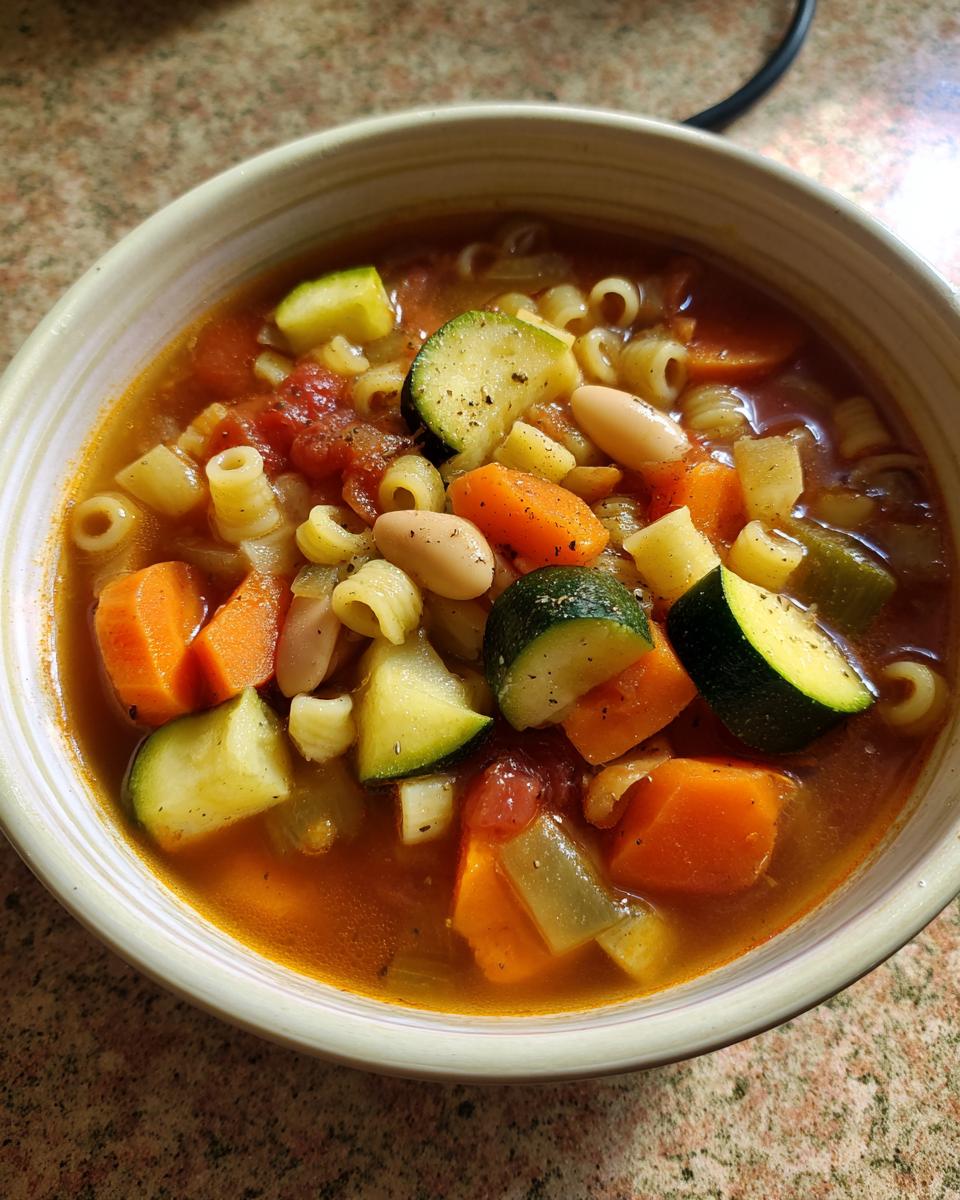
The most important addition, hands down, is that grated Parmesan cheese we mentioned earlier. A fine grating melts beautifully into the hot broth, adding a salty, umami punch that just sings with the basil and tomatoes. Don’t use the pre-grated shaker stuff unless you absolutely have to; grating it fresh makes a difference in how it melts.
But you need a vehicle for scooping, right? Serve this alongside some fantastic crusty bread. I’m talking sourdough or a great Italian loaf that’s sturdy enough to stand up to a good dunking. If you want to make easy bread yourself, I’ve got a great guide for easy pita bread, though a simple baguette works wonders too!
For one last little flourish that I adore—especially if you want to present it nicely—drizzle just a tiny bit of high-quality, bright green extra virgin olive oil over the top just before serving. It adds a beautiful sheen and a fresh, peppery note that cuts through the richness of the broth. It looks fancy, but it takes literally three seconds. Trust me, your leftovers will disappear twice as fast when you serve it like this!
Storing and Reheating Your Minestrone Soup
The real beauty of making a big batch of Minestrone Soup is having those perfect leftovers waiting for you! This is one of those soups that honestly tastes even better the next day once all those spices and vegetables have had an overnight snooze together. You’ve done all the hard work, so let’s make sure those leftovers are still fantastic when you pull them out later!
For refrigeration, you want an airtight container, naturally. You can safely keep this soup in the fridge for about 3 to 4 days. Just make sure you let it cool down a bit on the counter first before sealing it up tight and popping it in the cold. Trying to cool hot soup in the fridge can actually warm up all your other food, so give it a little breather first!
The Pasta Problem When Freezing Minestrone
Now, if you plan on freezing this wonderful Minestrone Soup—which I highly recommend for those dreadful “What’s for dinner?” moments—you have to listen to me about the pasta. Pasta, especially small shapes like ditalini, is going to absorb all that beautiful broth while sitting in the freezer and then thaw out like sad, starchy sponges. Nobody wants that!
My expert tip here? If you know you’ll be freezing half of your batch, cook the pasta separately. Cook it until it’s just *al dente*—a little bit firmer than you normally would serve it. Then, store the soup base (the broth, veggies, and beans) in your freezer containers. When you reheat the soup base, bring it to a simmer, and toss in that cooked pasta right before you’re ready to eat! If you already cooked the pasta *in* the soup before freezing, don’t worry! Just add an extra splash of water or broth when you reheat it, as it will definitely thicken up considerably.
Reheating for the Best Flavor
When it comes time to eat your leftovers, whether they’ve been in the fridge or thawed from the freezer, always reheat them gently on the stovetop over medium-low heat. Avoid microwaving large batches if you can, because stovetop heating allows the flavors to bloom back to life evenly. Remember, if you followed my advice and held your seasoning until the end when you first made it, you might need to taste it again once it’s piping hot, just in case it needs another tiny dash of salt or pepper to bring that vibrant flavor back up to scratch!
Frequently Asked Questions About Minestrone Soup
I get so many questions about this recipe because people love how easy it is, but they always want to customize it for their own needs! Since this is such a flexible vegetable soup base, it’s natural to wonder about tweaks. Here are the big ones I hear all the time about making the best pasta soup!
Can I add meat to this Minestrone Soup?
Absolutely, you can! If you want more protein or just love the flavor of cured pork, go for it. You don’t even need to change the rest of the recipe. The best way to do it is in Step 2. Before you add your onion, carrot, and celery, just sauté about 1/2 cup of diced pancetta or Italian sausage right in the pot until it’s browned. Drain off most of the excess fat—you want some flavor left behind!—and then continue the recipe as written, starting with softening your veggies in the remaining flavorful fat.
What is the very best kind of pasta to use?
Honestly, the smaller the pasta, the better, because it stays in proportion with all those chopped vegetables and beans. My recipe uses ditalini or elbow macaroni because they are cheap, hearty, and soak up the broth nicely without getting too bulky. However, if you’re looking for a change of pace, or maybe you’re worried about leftovers, you can always use fun shapes like small shells or even orzo! But just remember my freezing tip: if you know you won’t eat it all in four days, cook the pasta separately and add it when you reheat.
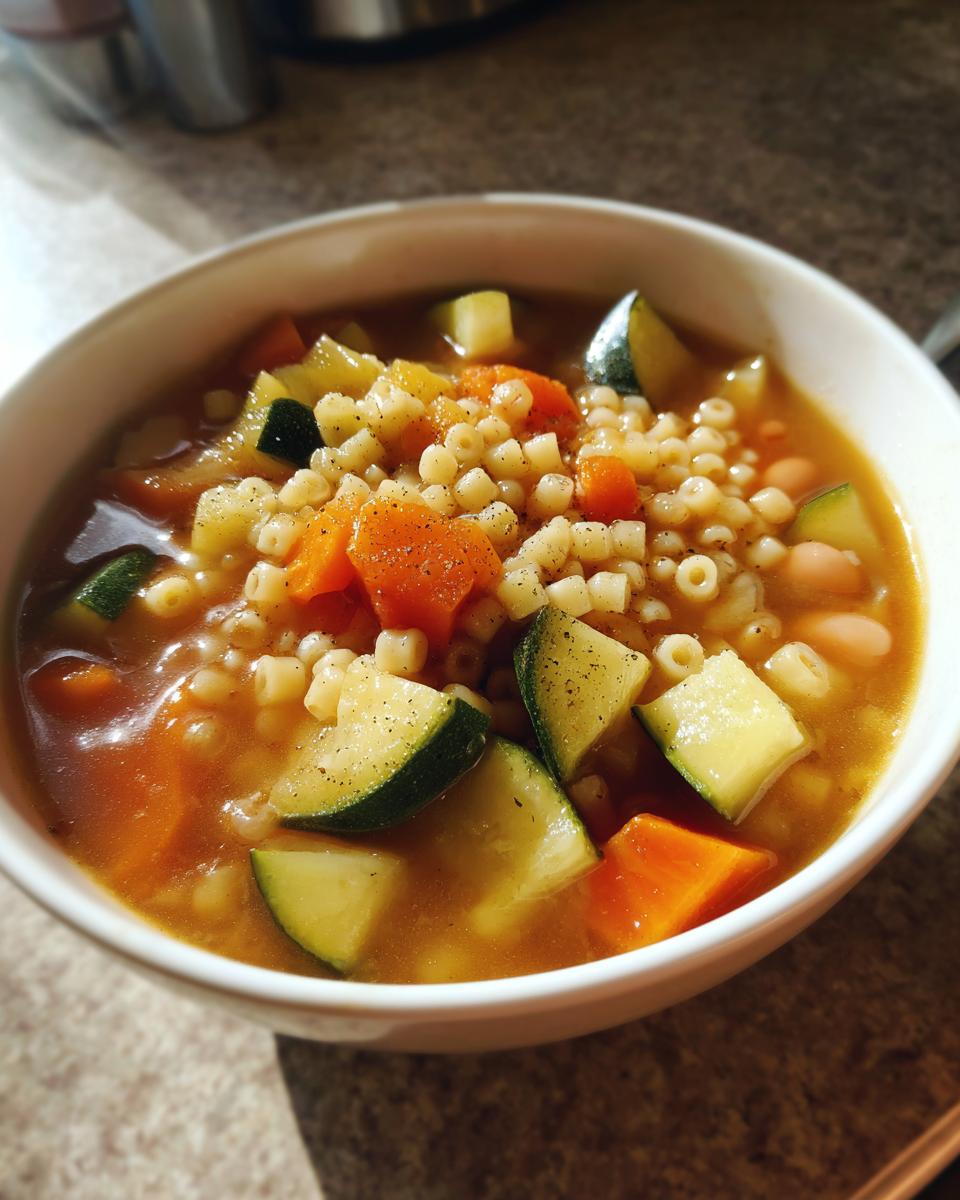
Is it possible to make this soup completely vegan?
Yes, this recipe is already super close! To make it totally vegan, you just need to swap out the butter (if you used any in a previous step, though this recipe calls for oil) and definitely skip the optional Parmesan cheese at the end. That’s the only non-vegan element listed! I recommend topping it instead with nutritional yeast for a cheesy flavor boost, or maybe some toasted pine nuts for crunch. It works perfectly well as written, making it a fantastic standard vegetarian soup.
Can I use broth from a bouillon cube instead of pre-made liquid broth?
You totally can, but you have to watch the salt! Bouillon cubes or powders are usually much saltier than standard liquid broth. If you use bouillon, I strongly suggest starting with only half the amount of water the recipe calls for, or just using one cube in 6 cups of water, and then tasting really carefully before adding any extra salt in Step 7. If you want to explore more awesome soup bases, you might enjoy reading up on my recipe for tortellini soup, which uses a similar broth foundation!
Nutritional Estimates for Minestrone Soup
I always feel a little better sneaking a huge bowl of vegetables past my family when I know exactly what’s in it. It’s really satisfying how much fiber we get just from those carrots, celery, and beans. That said, I have to remind everyone that because we tossed in whatever veggies we had handy, and because everyone seasons their soup differently, these numbers are just a rough guideline!
These estimates are based on serving 6 people using the recipe exactly as written, including the optional Parmesan cheese. Think of this as a helpful baseline, not a strict doctor’s order, okay?
Here is a general breakdown per serving (about 1.5 cups):
- Calories: 220
- Fat: 4 grams (Only 1 gram of that is saturated fat, which is great!)
- Carbohydrates: 38 grams
- Fiber: 8 grams (That’s a big punch of fiber!)
- Protein: 11 grams
- Sugar: 6 grams
- Sodium: 550 milligrams (This can jump up depending on your broth choice, so taste it!)
I always try to lean towards low-sodium broth when I make this Minestrone Soup just to control that sodium level myself. If you skip the Parmesan cheese topping, you’ll drop the sodium and fat slightly, too. Eat up, you’re getting tons of healthy stuff in this bowl!
Print
Simple Minestrone Soup
- Total Time: 45 min
- Yield: 6 servings 1x
- Diet: Vegetarian
Description
A basic recipe for hearty vegetable and pasta soup.
Ingredients
- 1 tablespoon olive oil
- 1 medium onion, chopped
- 2 carrots, chopped
- 2 celery stalks, chopped
- 2 cloves garlic, minced
- 6 cups vegetable broth
- 1 (14.5 ounce) can diced tomatoes, undrained
- 1 (15 ounce) can cannellini beans, rinsed and drained
- 1 cup chopped zucchini
- 1/2 cup small pasta (like ditalini or elbow macaroni)
- 1 teaspoon dried basil
- 1/2 teaspoon dried oregano
- Salt and black pepper to taste
- 1/4 cup grated Parmesan cheese (optional, for serving)
Instructions
- Heat olive oil in a large pot over medium heat.
- Add onion, carrots, and celery. Cook until softened, about 5 to 7 minutes.
- Stir in garlic and cook for 1 minute more until fragrant.
- Pour in vegetable broth and add diced tomatoes. Bring the mixture to a boil.
- Add cannellini beans, zucchini, basil, and oregano. Reduce heat and simmer for 10 minutes.
- Add pasta and cook according to package directions until tender, usually 8 to 10 minutes.
- Season with salt and pepper to your taste.
- Serve hot, topped with Parmesan cheese if desired.
Notes
- You can substitute any firm vegetables you have on hand for the zucchini.
- For a thicker soup, add 1/2 cup chopped green beans with the zucchini.
- Use vegetable broth for a vegetarian soup, or chicken broth for a different flavor.
- Prep Time: 15 min
- Cook Time: 30 min
- Category: Soup
- Method: Stovetop
- Cuisine: Italian
Nutrition
- Serving Size: 1.5 cups
- Calories: 220
- Sugar: 6
- Sodium: 550
- Fat: 4
- Saturated Fat: 1
- Unsaturated Fat: 3
- Trans Fat: 0
- Carbohydrates: 38
- Fiber: 8
- Protein: 11
- Cholesterol: 2
Keywords: Minestrone Soup, vegetable soup, pasta soup, Italian soup, easy soup