
Oh, when that cool weather hits, nothing beats the smell of deep, warm spices wafting through my kitchen! Forget those complicated tiered cakes; what I really want is something rich, dark, and comforting. That’s why I’m sharing my absolute favorite recipe for a straightforward, incredibly moist Gingerbread Cake. Seriously, this isn’t fussy. It comes together faster than you think, but the flavor payoff is huge!
I love this flavor profile because it’s nostalgic—it reminds me of wrapping presents and rainy afternoons. We’re using molasses, of course, but the trick is keeping the process simple so you can whip this up any night of the week, not just during the holidays. If you’ve been looking for the perfect, easy spice cake that stays moist for days, you’ve found it right here. You can follow a few simple guidance points from my favorite molasses baking tips over at ginger molasses cake, but this method is perfectly self-contained and reliable!
Why This Simple Gingerbread Cake Recipe Works (Expert Tips)
So many gingerbread recipes out there can be dense or dry, right? Not this one! The reason we get that perfect, soft crumb every time is all about managing moisture and embracing the power of molasses. This isn’t just a pretty face; it’s built on sound baking principles that really make the spices sing. I always check out other bakers’ insights, and you can see great advice on baking similar flavors over at chai spice cake, but trust me, the secrets for this particular gingerbread cake are simple enough for anyone.
The Role of Molasses in a Perfect Gingerbread Cake
Molasses is doing heavy lifting here, folks! It’s not just for that signature dark color and deep, slightly bitter flavor that contrasts beautifully with the sugar. Molasses is naturally very hygroscopic, meaning it loves holding onto water. That’s your built-in insurance policy against a dry cake! My one big tip for molasses is to warm it slightly before adding it to your creamed butter mixture. If it’s too cold, it won’t incorporate smoothly, and you might end up with little molasses pockets rather than even distribution.
Achieving the Best Texture in Your Gingerbread Cake
You see that step where we add boiling water? Don’t skip it, and don’t be scared of how thin the batter gets! That hot liquid blooms the baking soda and helps dissolve the sugars and spices perfectly. It immediately starts developing steam, which works wonders for lightness. But here’s the key takeaway for texture: once you start adding the dry ingredients, you must stop mixing as soon as they disappear. Overmixing develops gluten, and that’s how you turn a lovely, tender gingerbread cake into something tough. We want tender, not tough!
Ingredients Needed for Your Moist Gingerbread Cake
Okay, let’s get the shopping list straight! This recipe uses standard pantry staples you probably already have, which is why it’s so easy to whip up last minute. The quality of your spices matters a ton here, so make sure your ginger and cinnamon are fresh!
You’ll need these items ready before you start mixing. If you’re looking for other similar spiced recipes, take a look at some of the delicious options for date and walnut cake. It’s all about good, solid base ingredients!
- 1 cup all-purpose flour – make sure you scoop and level this properly!
- 1 teaspoon baking soda – our main lift agent here.
- 1 teaspoon ground ginger – don’t be shy with this one.
- 1/2 teaspoon ground cinnamon – for warmth.
- 1/4 teaspoon ground cloves – just a pinch for depth.
- 1/4 teaspoon salt.
- 1/2 cup unsalted butter, softened – this needs to be room temperature, not melty!
- 1/2 cup packed brown sugar – pack it down into your measuring cup!
- 1 large egg.
- 1/2 cup molasses – the star of the show!
- 1/2 cup boiling water – have this ready to go right at the end.
Step-by-Step Instructions to Bake the Best Gingerbread Cake
Putting this cake together is really satisfying because you see that rich, dark batter forming right before your eyes. Don’t worry if you’re new to baking; this recipe walks you through it, and I’ve broken down the mixing stages into simple parts. If you want to review the basic techniques for creaming butter, I sometimes check out guides like the one on homestyle yellow cake recipe just to keep my fundamentals sharp, but honestly, this is all you need!
Preparing the Dry and Wet Components for the Gingerbread Cake
First things first: get that oven hot! Preheat your oven to 350 degrees F (175 degrees C), and don’t forget to grease and flour that 8×8 inch baking pan thoroughly. Now, grab a medium bowl and whisk together all your dry bits: the flour, baking soda, the ginger, cinnamon, cloves, and salt. Whisking them ensures everything is distributed evenly, especially that baking soda, so you don’t get any off-tasting pockets later on.
In a separate, larger bowl—the one you’ll mix everything in—you need to cream together your softened butter and that packed brown sugar. Beat them until they look light and fluffy; this takes a minute or two but it’s vital for air incorporation. Beat in your single egg until it just vanishes into the mixture. Then, stir in that beautiful, dark molasses until everything looks uniform.
Combining the Batter and Baking the Gingerbread Cake
This is where you need to be gentle! Gradually add those dry ingredients you mixed earlier into your wet bowl. Mix it just until everything comes together. I mean it—stop as soon as the flour streaks disappear. Then comes the magic: carefully stir in that 1/2 cup of boiling water. The batter will absolutely become thin, almost like a thin pancake batter. That’s exactly what you want for a beautifully moist gingerbread cake!
Pour that runny batter right into your prepared pan. Slide it into the preheated oven and let it bake for about 30 to 35 minutes. You know it’s done when a wooden pick stuck deep in the center comes out clean. Let it cool down completely in the pan before you even think about slicing it!

Tips for Success When Making Gingerbread Cake
Baking is chemistry, but it’s also intuition, right? And I’ve learned a few things over the years worrying about whether my gingerbread cake would stick or turn out dense. My biggest tip revolves around temperature control. Make sure your butter is truly softened—not melted—when you start creaming it. If it’s too warm, you won’t incorporate enough air, and the cake will be flatter than expected.
Also, please—I beg you—measure your flour correctly! Spoon the flour lightly into your measuring cup and then level it off with a straight edge. Scooping directly out of the bag packs it in, leading to too much dry ingredient, the enemy of a moist cake. If you want some fantastic ideas on how to handle toppings and flavors that go well with rich spice like this, check out the ideas floating around chocolate caramel toffee cake for inspiration!
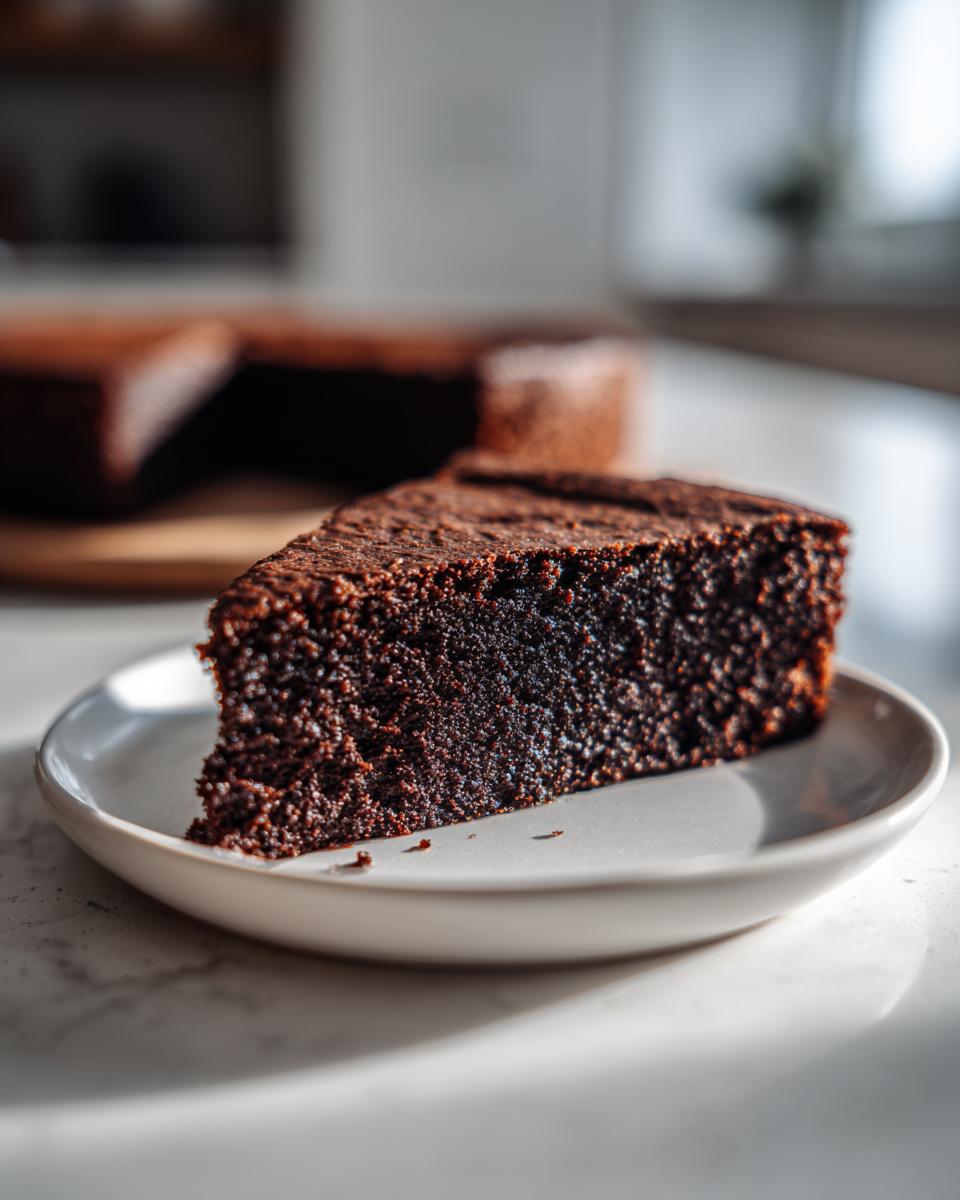
Finally, heed the warning about the boiling water. It needs to be boiling when it goes in. This chemical reaction is fast, and using water that’s just warm or lukewarm won’t give you the necessary lift. Trust the batter consistency—it *will* look thin, and that’s exactly how we get the best texture in our gingerbread cake!
Serving Suggestions for Your Gingerbread Cake
Once this beautiful, dark cake has cooled completely, which honestly takes patience, you get to decide how to present your masterpiece! Since this is such a richly flavored cake, it truly shines with minimal fuss. You certainly don’t need tons of heavy frosting weighing down those wonderful spices.
The original note mentions serving it plain, and honestly, that’s fantastic. A thick slice of this gingerbread cake, allowed to breathe a little, is perfect with a cup of strong coffee or tea. But if you want just a touch of something white to contrast that dark crumb, a simple dusting of powdered sugar is all you need!

You just use a fine-mesh sieve and lightly tap the sugar over the top until it looks snowy. It’s elegant and lets the cake flavor be the main event. If you’re serving this alongside other flavors, maybe you’re looking for contrasting brightness—I’ve seen people serve slices of this gingerbread alongside something zesty like a key lime cake recipe, just to offer variety on the dessert table. But for this cake itself, simple is best!
Storage and Reheating Instructions for Leftover Gingerbread Cake
The best part about this recipe is that it actually *improves* after a day. Just like a good stew, the flavors of the ginger, cinnamon, and molasses really marry together overnight. You’ll want to store this cake properly so you can enjoy that second-day magic!
Once the cake is completely cool—and I mean cool all the way through, otherwise you’ll steam it inside the container—wrap it snugly in plastic wrap. If you have a very tight-fitting lid for the pan it baked in, that works too, but I prefer wrapping it individually or covering the whole thing tightly with plastic wrap first, then tucking it into an airtight container.
Keep it at room temperature for up to four days. Seriously, it keeps its moisture so well! This recipe creates a sturdy spice cake, so worrying about refrigeration isn’t necessary unless your kitchen is incredibly hot or humid. If you’re storing it longer than four days, or if you live somewhere really warm, then airtight container in the fridge is better, just make sure to bring it back to room temperature before serving.
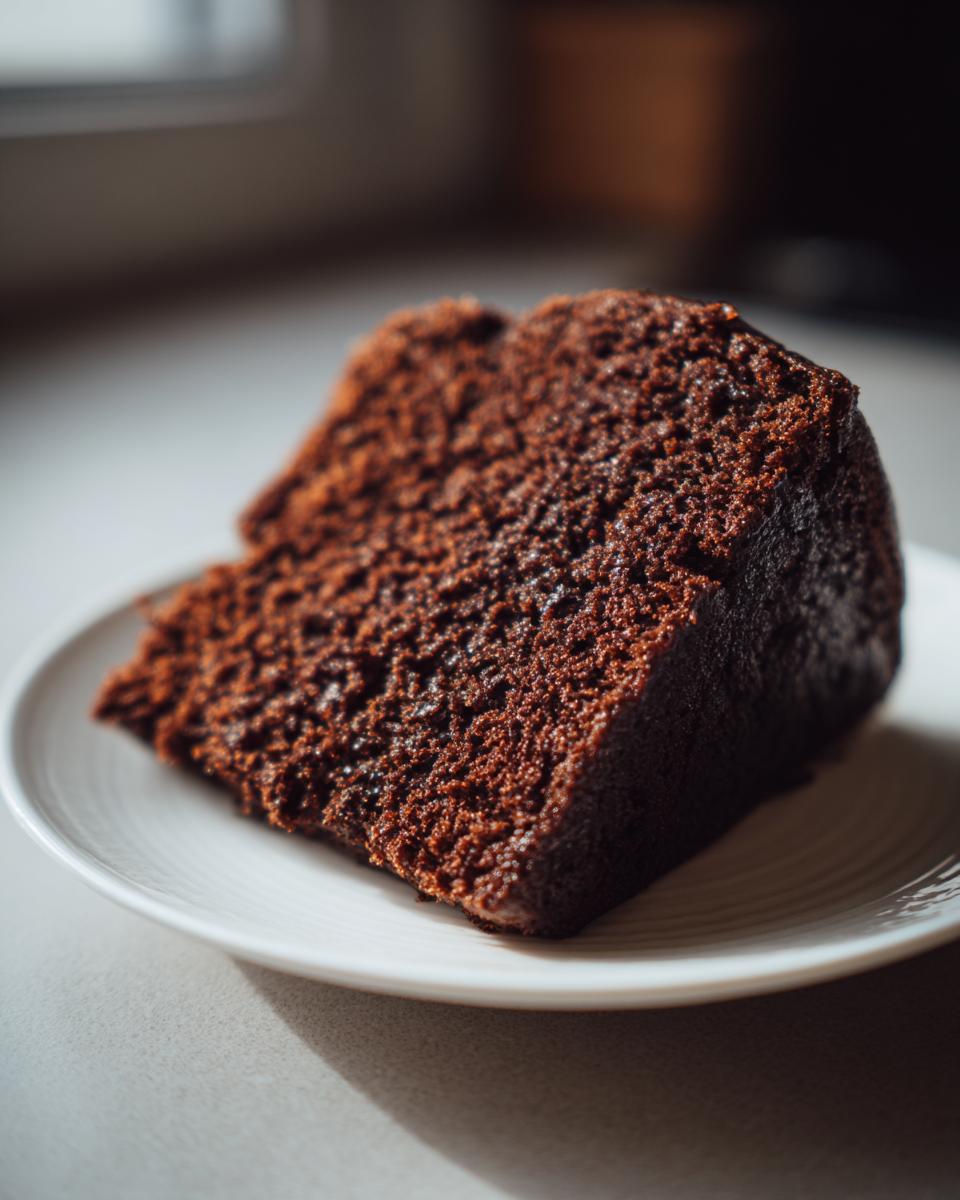
If you do end up chilling it, or if you just want to bring back that fresh-from-the-oven gooeyness, a quick reheat works wonders. Pop a single slice into the microwave for about 10 to 15 seconds. It warms up beautifully! If you’re looking for inspiration on how to handle slightly older baked goods, sometimes I look at tips for things like raspberry almond tea bread to see how they handle aging well. It’s all about keeping the warmth in!
Ingredient Notes and Substitutions for Gingerbread Cake
We love having options in the kitchen, even when sticking to a classic recipe like this gingerbread cake. The recipe specifically mentions you can use vegetable oil instead of butter if that’s what you have on hand, and honestly, it makes a very moist cake! The oil coating tends to keep things soft for longer, though you lose a little of that rich, buttery depth of flavor. That’s the trade-off.
Also, let’s talk molasses for a second. If you happen to have both light and blackstrap molasses, use light molasses here. Blackstrap is really strong and bitter, and might overpower those delicate spices we worked so hard to balance. For other baking inspiration on complementary flavors that work well together, check out the citrus tips over at cranberry orange cake.
Frequently Asked Questions About Making Gingerbread Cake
I always get questions about this recipe because people want to make sure their beautiful dark spice cake turns out perfect! Here are the things I hear most often when folks try this fantastic molasses cake recipe for the first time. I’ve linked back to my favorite resource for similar deep, spiced flavors at ginger molasses cake if you want more ideas once you master this one!
Can I make this Gingerbread Cake without molasses?
Oh, I sure hope you don’t try to skip the molasses! That’s like trying to make a chocolate chip cookie without chocolate. Molasses is what gives this cake its signature deep flavor and, more importantly, it’s crucial for the moisture we talked about earlier. If you absolutely had to substitute it—and I mean only in a dire pantry emergency—you could try using dark corn syrup mixed with a teaspoon of blackstrap molasses, but honestly, the flavor won’t be the same rich gingerbread cake you were hoping for. It would just be a mild spice cake instead.
What is the best pan size for this spice cake?
This recipe is perfectly balanced for baking up quickly and evenly in an 8×8 inch square pan. That size allows the heat to penetrate just right in the 30 to 35 minute baking window. If you decide to put this batter into a standard loaf pan (the size you’d use for bread), you absolutely can, but you must adjust your expectations! Because the batter is deeper in a loaf pan, it’s going to need significantly more time, probably closer to 50 or 60 minutes. Keep checking it with that wooden pick near the center until it’s clean, even if the top starts to look quite dark!
Nutritional Estimate for This Gingerbread Cake Serving
I always tell people not to look too closely at the nutrition label if they are trying to enjoy a slice of comfort food, but here it is for you! Since we are dealing with butter, sugar, and molasses, the numbers are what they are. Remember, this is all based on dividing the recipe into 9 standard slices, and these figures are just educated guesses based on standard ingredient densities. Baking is fun, but math isn’t always the first priority!
If you’re comparing notes with other spice cake recipes or thinking about adjustments, you can see some similar flavorful options over at chai spice cake. But for this specific molasses cake, here is the breakdown:
- Serving Size: 1 slice
- Calories: 220
- Sugar: 25g
- Sodium: 180mg
- Fat: 10g
- Saturated Fat: 6g
- Unsaturated Fat: 4g
- Trans Fat: 0g
- Carbohydrates: 32g
- Fiber: 1g
- Protein: 3g
- Cholesterol: 35mg
Just a quick disclaimer: Take these numbers with a grain of salt—or maybe a pinch of ginger! They are estimates based on the assumptions of typical grocery store ingredients. If you swap out the butter for oil, or use a different type of molasses, those numbers are going to shift a bit. Enjoy your slice!
Print
Simple Gingerbread Cake
- Total Time: 50 min
- Yield: 9 servings 1x
- Diet: Vegetarian
Description
A straightforward recipe for a moist and flavorful gingerbread cake.
Ingredients
- 1 cup all-purpose flour
- 1 teaspoon baking soda
- 1 teaspoon ground ginger
- 1/2 teaspoon ground cinnamon
- 1/4 teaspoon ground cloves
- 1/4 teaspoon salt
- 1/2 cup unsalted butter, softened
- 1/2 cup packed brown sugar
- 1 large egg
- 1/2 cup molasses
- 1/2 cup boiling water
Instructions
- Preheat your oven to 350 degrees F (175 degrees C). Grease and flour an 8×8 inch baking pan.
- In a medium bowl, whisk together the flour, baking soda, ginger, cinnamon, cloves, and salt. Set aside.
- In a large bowl, cream together the softened butter and brown sugar until light and fluffy.
- Beat in the egg until just combined.
- Stir in the molasses.
- Gradually add the dry ingredients to the wet ingredients, mixing until just combined.
- Carefully stir in the boiling water until the batter is smooth. The batter will be thin.
- Pour the batter into the prepared baking pan.
- Bake for 30 to 35 minutes, or until a wooden pick inserted into the center comes out clean.
- Let the cake cool completely in the pan before serving.
Notes
- Serve plain or with a dusting of powdered sugar.
- You can substitute vegetable oil for butter if you prefer.
- Prep Time: 15 min
- Cook Time: 35 min
- Category: Dessert
- Method: Baking
- Cuisine: American
Nutrition
- Serving Size: 1 slice
- Calories: 220
- Sugar: 25
- Sodium: 180
- Fat: 10
- Saturated Fat: 6
- Unsaturated Fat: 4
- Trans Fat: 0
- Carbohydrates: 32
- Fiber: 1
- Protein: 3
- Cholesterol: 35
Keywords: gingerbread cake, molasses cake, spice cake, easy cake, holiday dessert