
Oh my gosh, listen to me, if you think you need a stuffy restaurant to get that perfect, delicate, shatteringly crisp golden crust, you are so wrong! I’m talking about the kind of pan-fried beauty that makes your plate look like it just won the lottery. I have spent years chasing that perfect crunch for my weeknight dinners. Seriously, perfecting authentic German and Austrian cooking doesn’t have to mean hours over the stove. This recipe for classic Pork Schnitzel is my go-to; it’s fast, it’s unbelievably tender inside, and I promise you, it’s the easiest, most authentic way you’ll ever make it at home. Forget complicated techniques; we’re talking golden goodness in under 30 minutes, and trust me, this method never fails!

Why This Pork Schnitzel Recipe Stands Out
Listen, I know there are a million fried cutlet recipes out there, but mine is the one that actually delivers dinner on the table when you need it most. This isn’t some fussy weekend project; this is your new weeknight hero. I put all my know-how into making sure you get that amazing texture without spending half the evening hovering over the stove. If you want to try other super crispy things, you can check out some of my other favorite deep-fry recipes right here!
Quick Prep: Ready in Under 30 Minutes
Seriously, the total time clocks in at just 25 minutes. That’s faster than most delivery places can manage! You get that satisfying crunch and tender interior of authentic Wiener Schnitzel style food without the wait.
Authentic Crispiness for Perfect Pork Schnitzel
The secret to that delicate, flaky coating isn’t magic; it’s technique. We pound the pork until it’s paper-thin—that’s job one! Then, we use the classic European breading station. This layering technique ensures the coating puffs up perfectly in the hot fat, giving you that light, shatteringly crisp crust every single time you make Pork Schnitzel.
Essential Ingredients for Classic Pork Schnitzel
Okay, the success of a great Pork Schnitzel absolutely hinges on getting the right players on your team. Don’t try to substitute here, guys! I’ve listed everything out below, making sure to note the specific cuts and textures that make this recipe truly authentic. If you’re looking for some other quick, flavorful things to make after mastering the schnitzel, you can check out my 30-minute pasta sauce hack here. It’s all about maximizing flavor without maximizing time!
Pork and Breading Components for Pork Schnitzel
We need four nice, thin-cut pork cutlets, about 4 ounces each. Remember, hitting that 1/4-inch thickness is key, so have your mallet ready! For the breading station, you’ll need about half a cup of flour, two large eggs that are just lightly beaten—liquid gold!—and a full cup of breadcrumbs. Please, please, please use Panko breadcrumbs if you can find them. They are lighter and crispier than the standard stuff, making all the difference in your final Pork Schnitzel coating.
Frying Fats and Serving Suggestions
When it comes to the frying fat, we use a marriage of two things: half vegetable oil and half unsalted butter. The oil gives us that high smoke point we desperately need so the crust doesn’t burn, and the butter? Well, that’s for that incredible, nutty flavor only real butter can give you. Don’t forget the finishing touch! You absolutely must have fresh lemon wedges on the side. Squeezing that bright juice over the hot, crispy schnitzel right before you eat it is non-negotiable!
Step-by-Step Instructions for Perfect Pork Schnitzel
Okay, buckle up, because this is where the magic actually happens. Don’t be intimidated by the breading station; once you run through it once, you’ll be cranking out perfect Pork Schnitzel like a seasoned pro. We’re keeping things logical here, moving from thin meat to perfectly crispy crust. If bread-making seems way more daunting, I have a fantastic, quick bread recipe you can check out here, but trust me, this breading process is way faster!
Preparing the Pork Cutlets
This first step is the absolute key to authentic texture. You need to grab those pork cutlets and place them between two sheets of plastic wrap. Now, grab your meat mallet—a heavy-bottomed skillet works in a pinch, but a mallet is better—and start pounding! You’ve got to get these things pounded down to about a quarter of an inch thick. If they aren’t thin, they won’t cook quickly enough to keep that crust delicate and shatteringly crisp. This thinness is what makes a legitimate Pork Schnitzel!
Assembling the Breading Station
Next, we set up the dredging line, which needs three shallow dishes lined up in order. First dish gets your flour; second dish gets those lightly beaten eggs; and the third dish gets your breadcrumbs mixed with salt and pepper. One by one, take your pounded pieces of pork: dredge it lightly in the flour, shake off the extra—we don’t want a thick paste! Dip it thoroughly into the egg bath, let the excess drip away, and finish hard in the breadcrumbs. Here’s my personal trick: when pressing the breadcrumbs onto the cutlet, use the flat of your hand, not your fingertips, to ensure full coverage without compressing the coating too much. That little bit of air trapped between the breading and meat is what makes it puff up beautifully!
Frying Your Pork Schnitzel to Golden Perfection
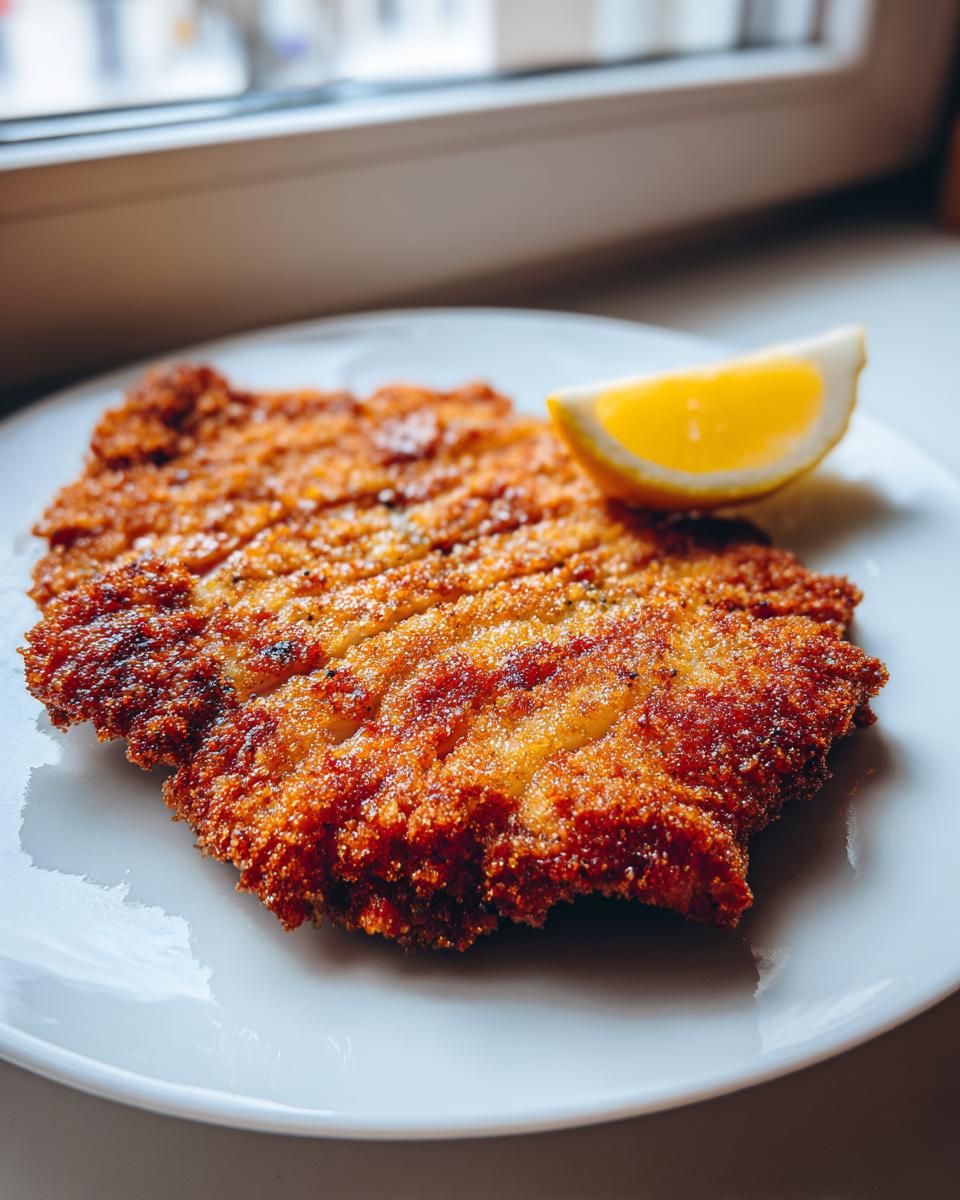
Time to heat things up! In a large skillet, combine your vegetable oil and butter and get it over medium-high heat. You want that butter to foam up nicely, which tells you the fat is hot enough but not smoking like crazy. Carefully place just two cutlets in at a time—never overcrowd the pan, or the temperature drops instantly! Fry them for about two or three minutes on each side until they are deep golden brown. If the coating starts browning too fast, you need to turn that heat down immediately. We want golden on the outside and tender pork all the way through. After they are done, pull them out and drain them quick on a wire rack.
Expert Tips for the Crispiest Pork Schnitzel Every Time
Look, the main instruction list gets you a great meal. But if you want that *restaurant-quality* texture—the kind that makes a little crackle sound when you cut into it—you need these extra little secrets. I figured these out through trial and error, mostly error involving soggy coating, so you don’t have to suffer! We’re focusing hard on moisture control and temperature here, which are the real gatekeepers to amazing Pork Schnitzel. If you ever run into a baking emergency where you need a flour substitute, I learned a great trick that might help some of your other recipes turn out okay, too, you can check that out here.
The Importance of Chilling Breaded Pork Schnitzel
I know you’re trying to get dinner on the table fast, but please, I beg you, don’t skip this 15-minute chill step! Once you’ve breaded your thin pork cutlets, lay them out on a plate or a rack and pop them into the fridge for just fifteen minutes. Why? It gives the flour, egg, and breadcrumbs time to actually bond with the meat. If you fry immediately, that coating is way more likely to slip off into the hot fat. A little patience here means a guaranteed adhesion for your crust!
Fat Temperature Management for Optimal Pork Schnitzel
Temperature is everything when you’re pan-frying. You need enough heat to crisp that Panko fast, but not so much that the outside burns before the pork cooks through—remember, these pieces are thin, but they still need a moment! Always make sure your oil and butter mixture is shimmering nicely. If the fat starts smoking aggressively, pull the pan off the heat for thirty seconds to let it calm down, then put it back. And I cannot say this enough: never, ever overcrowd the pan! Those two cutlets we talked about? That’s the limit for a standard skillet. Too many pieces, and the temperature crashes, resulting in greasy, sad schnitzel instead of brilliantly golden Pork Schnitzel.
Serving Suggestions for Your Pork Schnitzel
So, your Pork Schnitzel is out of the pan, golden and absolutely perfect, sitting on that rack draining away the excess fat. Now what? You can’t just eat it plain, although I totally get the temptation! For a truly traditional experience, you need some starch and something bright to cut through that delicious fried richness. My favorite German pairing is simple boiled or roasted potatoes—nothing fancy, just perfectly salted tubs of fluffy potato goodness. Sometimes I’ll even make a quick, lightly dressed cucumber salad on the side to keep things fresh.
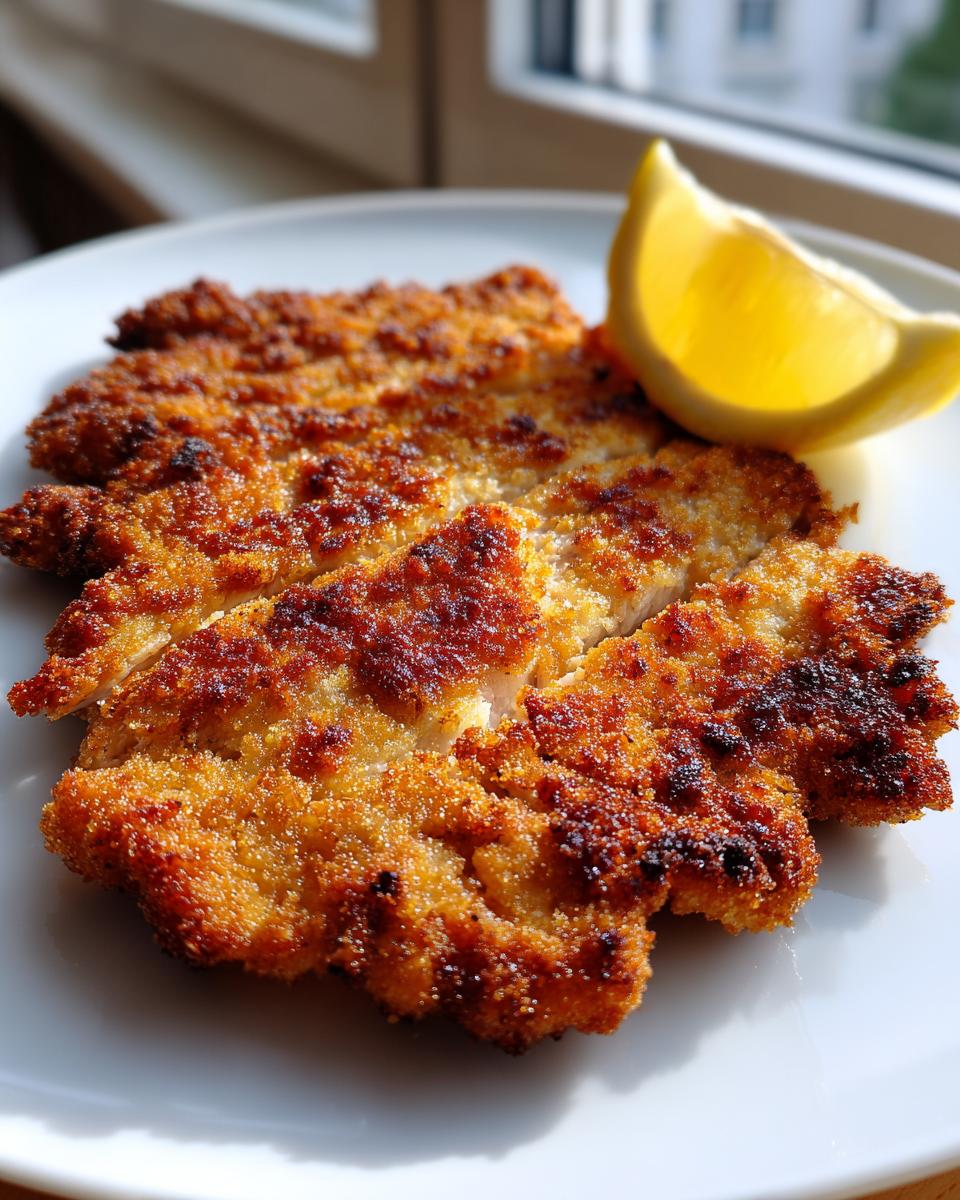
But honestly, the absolute most important thing you need to serve alongside your crispy cutlets are those lovely lemon wedges we talked about. Don’t you dare forget them! That sharp squirt of fresh juice right over the coating right before you dive in is non-negotiable; it wakes up the entire dish. If you’re feeling like you need a heartier side dish instead of potatoes or salad, you could try my recipe for loaded baked potatoes—just pile on some cheese and chives for a fun twist!
Storage and Reheating Your Pork Schnitzel
I always hope there are leftovers because this Pork Schnitzel is amazing the next day, but let’s be honest, it doesn’t taste quite the same right out of the fridge. If you’ve got some pieces left over, you need to treat them right so they don’t end up sad and soggy.
First off, storage is key. Make sure your leftover schnitzel is completely cooled down before you try to save it. Place it in a container lined with paper towels, or wrap it loosely in paper towels before putting it in an airtight container. You want to absorb any residual steam, which is the enemy of crispiness!
Now for reheating—this is where most people go wrong. Throwing it in the microwave? No, no, no. That will steam the crispy coating right off and turn it chewy. We need dry heat to bring that crust back!
My go-to method is the oven. Preheat your oven to about 375°F (190°C). Lay the schnitzel pieces out on a wire rack set over a baking sheet. This allows air to circulate underneath, which is crucial. Bake them for about 8 to 10 minutes. You’ll notice that beautiful golden color returning, and that glorious crunch should pop right back.
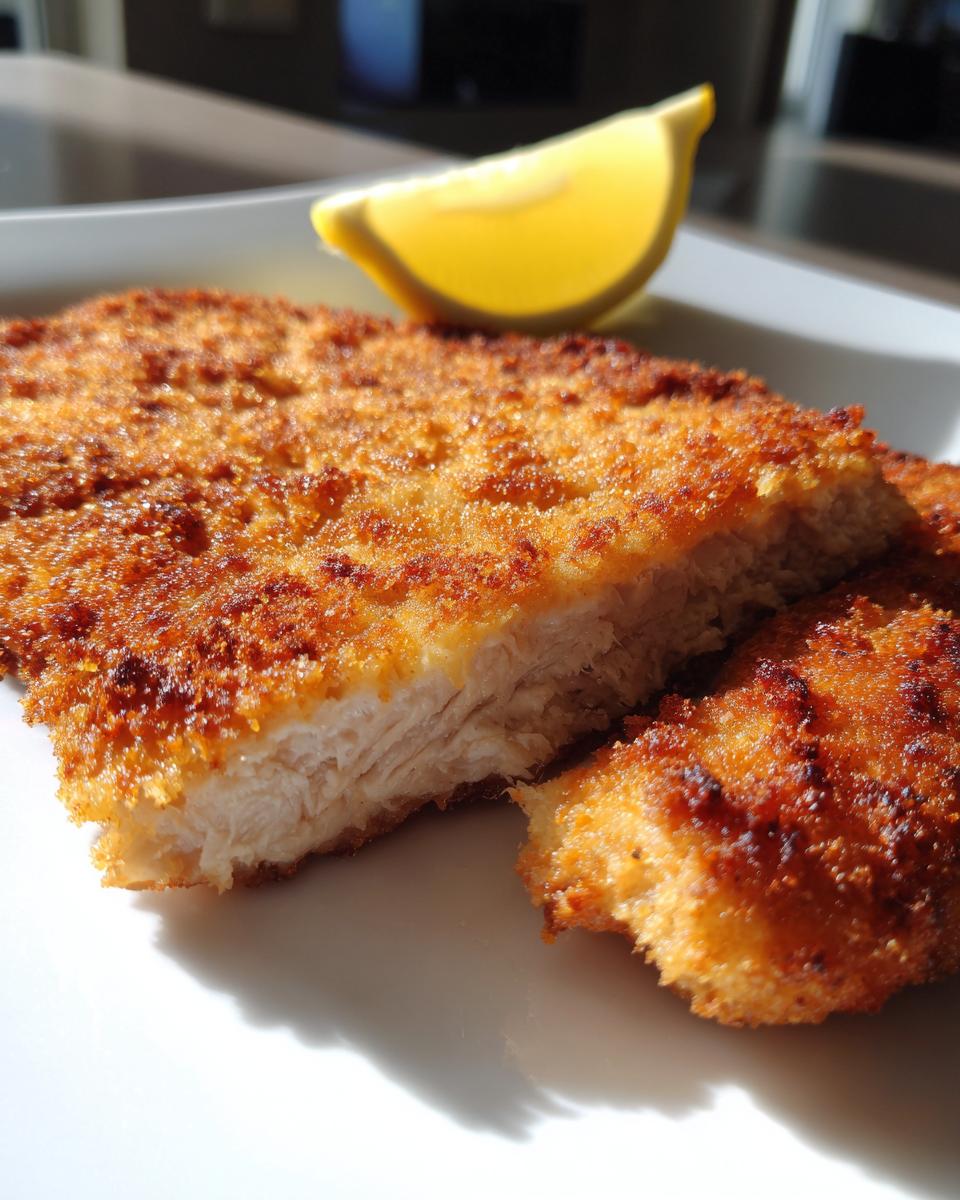
If you have an air fryer, even better! It’s faster and crisps things up beautifully. Three minutes at 380°F (195°C) is usually all you need. Seriously, skip the microwave, and you’ll be enjoying leftovers that taste nearly as good as the fresh batch!
Frequently Asked Questions About Pork Schnitzel
I know you’ve probably got your skillet heating up right now, but just in case a few sneaky questions popped into your head while prepping, I wanted to tackle the big stuff right here. These are the things folks always ask me when they try making authentic Pork Schnitzel for the first time. Don’t hesitate to ask in the comments if I missed something; I love tackling kitchen conundrums! If you’re ever needing to boost flavor in a pinch, sometimes I use homemade bouillon, and you can see my hack for that right here.
Can I make Pork Schnitzel ahead of time?
You can totally prep ahead! My best advice is to get the pork pounded, breaded completely, and then place those breaded cutlets on a tray lined with parchment paper. Cover them loosely and pop them in the fridge for up to a day. When you’re ready to cook, take them out while the oil heats up. The drawback is that they absolutely *must* be fried fresh. They won’t hold up well if you bread them and then try to freeze them, or if you try to fry them much later. Freshly fried is truly the only way for the best texture on your Pork Schnitzel!
What is the best type of pork to use for Pork Schnitzel?
Ideally, you want to buy pork loin or tenderloin that the butcher has already sliced very thin—look for cuts labeled as “cutlets” or “schnitzel cut.” If you buy a thicker pork chop, that’s totally fine, but you have to commit to pounding it! Take that piece, put it between plastic wrap, and just hit it firmly and evenly with your mallet until it’s consistently about 1/4 inch thick. This thinning process is what guarantees it cooks super fast and stays juicy while the crust gets perfectly crisp. Thicker pork just takes too long to cook through and risks burning that lovely breading.
Why did my breading fall off my Pork Schnitzel?
Ugh, I hate when that coating decides to bail mid-fry! Nine times out of ten, it comes down to lack of adhesion or temperature shock. Here are the main culprits: One, the pork surface was too wet before it went into the flour (that’s why we heavily dredge in flour first!), two, you didn’t press the breadcrumbs onto the meat firmly enough to really make them stick, or three, the oil wasn’t hot enough when the schnitzel hit the pan. If the oil is too cool, the breading just sort of soaks into the fat instead of puffing up and adhering to the meat properly. Make sure that fat is shimmering before you drop them in!
Estimated Nutritional Information for Pork Schnitzel
Now, I know we’re frying here, so we aren’t exactly serving health food, but honestly, for a pan-fried cutlet, this Pork Schnitzel recipe comes out surprisingly balanced! It’s high in protein, which is great to keep you full. I pulled all the raw numbers from my standard recipe card, and here’s what you can generally expect for one serving before you add any side dishes (like those amazing potatoes I mentioned earlier).
Please remember, these are just estimates based on the exact ingredients listed. If you use thicker pork or load up on extra butter for frying, those numbers will shift a bit. But for a standard 4-ounce portion cooked exactly as written, here’s the breakdown:
- Calories: About 350 calories per cutlet. Not bad for a perfectly crispy dinner!
- Protein: A whopping 30 grams! That’s going to keep you satisfied for hours.
- Fat: Around 18 grams total fat, with only 5 grams of that being saturated fat, thanks to using a mix of oil and butter.
- Carbohydrates: 15 grams, mostly coming from that delicious breading coating.
- Sodium: We keep the sodium reasonable at about 300 mg, since we control the salt in the breadcrumbs ourselves.
See? It’s definitely manageable for a satisfying, quick meal. Enjoy that crispy coating guilt-free!
Share Your Classic Pork Schnitzel Success
I seriously hope you’ve got your skillet hot and your lemons juiced! Making this classic Pork Schnitzel is such a satisfying experience, and I genuinely want to know how it turned out for you. Did the crust shatter perfectly? Did your family devour it?
Please, don’t be shy! Head down to the comments section right now and leave me a star rating. Even one star tells me something important about how the recipe worked on your stove. If you ran into any trouble or had an amazing variation—maybe you used veal instead, or tried a different seasoning in the breadcrumbs—please share that too! I read every single comment because community feedback helps us all cook better and faster.
If you ever need to get in touch with me directly for something less public, you can always reach out through my contact page. Now go enjoy that golden, crispy perfection!
Print
Classic Pork Schnitzel
- Total Time: 25 min
- Yield: 4 servings 1x
- Diet: Low Fat
Description
A simple recipe for thin, breaded, and pan-fried pork cutlets.
Ingredients
- 4 (4 oz each) thin-cut pork cutlets
- 1/2 cup all-purpose flour
- 2 large eggs, lightly beaten
- 1 cup dry breadcrumbs (Panko recommended)
- 1/2 teaspoon salt
- 1/4 teaspoon black pepper
- 1/4 cup vegetable oil, for frying
- 2 tablespoons unsalted butter, for frying
- Lemon wedges, for serving
Instructions
- Place the pork cutlets between two sheets of plastic wrap. Pound them to about 1/4 inch thickness using a meat mallet.
- Set up a breading station with three shallow dishes. Place flour in the first dish. Whisk the eggs in the second dish. Mix breadcrumbs, salt, and pepper in the third dish.
- Dredge each cutlet first in the flour, shaking off excess. Dip it into the egg mixture, letting excess drip off. Coat thoroughly in the breadcrumb mixture, pressing gently to adhere.
- Heat the vegetable oil and butter in a large skillet over medium-high heat until the butter foams.
- Carefully place two cutlets in the hot fat. Fry for 2 to 3 minutes per side until golden brown and cooked through. Adjust heat if the coating browns too quickly.
- Remove the cooked schnitzels and place them on a wire rack or paper towel-lined plate to drain excess fat. Keep warm.
- Repeat with the remaining cutlets.
- Serve immediately with lemon wedges.
Notes
- For best results, chill the breaded cutlets for 15 minutes before frying.
- Use a neutral oil with a high smoke point for frying.
- Do not overcrowd the pan when frying; cook in batches.
- Prep Time: 15 min
- Cook Time: 10 min
- Category: Main Course
- Method: Pan Frying
- Cuisine: German/Austrian
Nutrition
- Serving Size: 1 cutlet
- Calories: 350
- Sugar: 1
- Sodium: 300
- Fat: 18
- Saturated Fat: 5
- Unsaturated Fat: 13
- Trans Fat: 0
- Carbohydrates: 15
- Fiber: 1
- Protein: 30
- Cholesterol: 90
Keywords: Pork Schnitzel, breaded pork, pan-fried cutlet, Wiener Schnitzel style, quick dinner