
Oh, rice! I used to think making restaurant-quality rice was some sort of mystical secret only passed down through generations of chefs. Seriously, I’d spend twenty minutes fiddling with pots, and somehow, I’d end up with either a watery mess or crunchy, scorched bits at the bottom. But then I cracked the code for perfect Jasmine rice, and honestly? It changed everything on my dinner table. This isn’t complicated stuff; it’s about respecting the grain and managing the steam. Get ready because this guide walks you through the ultimate, foolproof stovetop method for fluffy, fragrant **Jasmine Rice Recipes**. Trust me, once you nail this simple technique, you’ll never look at takeout rice the same way again!
Why Perfecting Your Jasmine Rice Recipes Matters
Look, regular long-grain white rice is fine, it does the job, right? But Jasmine rice? That’s a whole different ballgame. It has this beautiful, subtle floral aroma that just screams “special occasion,” even if you’re just having it with a weeknight dinner. When you get the texture right—fluffy, separate grains, never gummy—it totally elevates whatever you’re serving it with. Suddenly, that simple stir-fry or curry feels so much more authentic. Mastering these basic **Jasmine Rice Recipes** is the first step to making Asian-inspired meals truly shine at home.
If you’re making something amazing like a chicken fried rice, you absolutely need that perfect base. Soggy rice ruins the whole operation, it just turns everything into mush!
The Science Behind Fluffy Jasmine Rice Recipes
The trickiest part about any delicate rice, especially Jasmine, is the surface starch. It loves to hang out on the outside of the grain, and if you don’t wash it off, that starch turns into glue when heated. That’s why rinsing is non-negotiable! You need to wash until the water isn’t cloudy anymore. Also, the water-to-rice ratio is huge. For Jasmine rice, we stick rigidly to 1.5 cups of water for every 1 cup of dry rice. It sounds like less water than regular long-grain, and that’s deliberate—it keeps our **Jasmine Rice Recipes** perfectly tender without getting soupy.

Gathering Ingredients for Simple Jasmine Rice Recipes
Okay, you don’t need a huge shopping list for the best **Jasmine Rice Recipes**! Simplicity is key here. You just need three things, and precision matters because we aren’t masking anything later. Grab exactly 1 cup of genuine, long-grain Jasmine rice. Remember to use cold or room temperature water—that helps the grains cook evenly as they heat up—so measure out 1 and 1/2 cups of it. If you like a little flavor boost, about 1/2 teaspoon of salt is what I use. That’s it! No oils, no butter needed for this basic steaming method.
Essential Equipment for Your Jasmine Rice Recipes
You don’t need a fancy rice cooker for this! Honestly, my grandmother never owned one, and her rice was always perfect. What you *do* need is the right gear to trap that steam effectively. First up, you must have a sturdy, medium-sized saucepan. It can’t be too wide, or the rice on the edges will cook too fast. Crucially, it needs a lid that fits TIGHTLY. If steam escapes during the cook time, you’ve lost the magic! You’ll also want a fine-mesh sieve for rinsing—the holes need to be small enough that the grains don’t fall through—and finally, a good, simple fork for fluffing at the end. Don’t use a spoon to fluff; spoons mash the grains, and we want separation!
Step-by-Step Instructions for Ideal Jasmine Rice Recipes
This is where the magic happens, and honestly, it’s so easy once you follow the drill! Once you have your ingredients measured out (and you’ve rinsed that starch off—more on that in a second!), we move straight to the stovetop. We are aiming for fluffy, separate grains that smell incredible. It’s all about controlling the heat and respecting the steam. If you can follow these few steps carefully, your **Jasmine Rice Recipes** will turn out perfectly every single time, making everything from a stir-fry like Chinese Beef and Broccoli to a simple curry taste better.
Rinsing: The Key to Non-Sticky Jasmine Rice Recipes
Okay, listen up, this first part is critical for achieving those lovely, separate grains in your **Jasmine Rice Recipes**. Take your rice and dump it into a fine-mesh sieve. Hold it under cold, running tap water. You have to use your hand to gently swirl the grains around underneath the water flow. Keep doing this—dumping the cloudy water, refilling, swirling—until the water that drains out runs perfectly clear. Seriously, don’t stop until it’s clear! That cloudy liquid is pure starch, and if you cook that, you end up with glue, not rice. This simple rinse guarantees fluffiness.
The Simmer and Rest: Mastering the Heat for Jasmine Rice Recipes
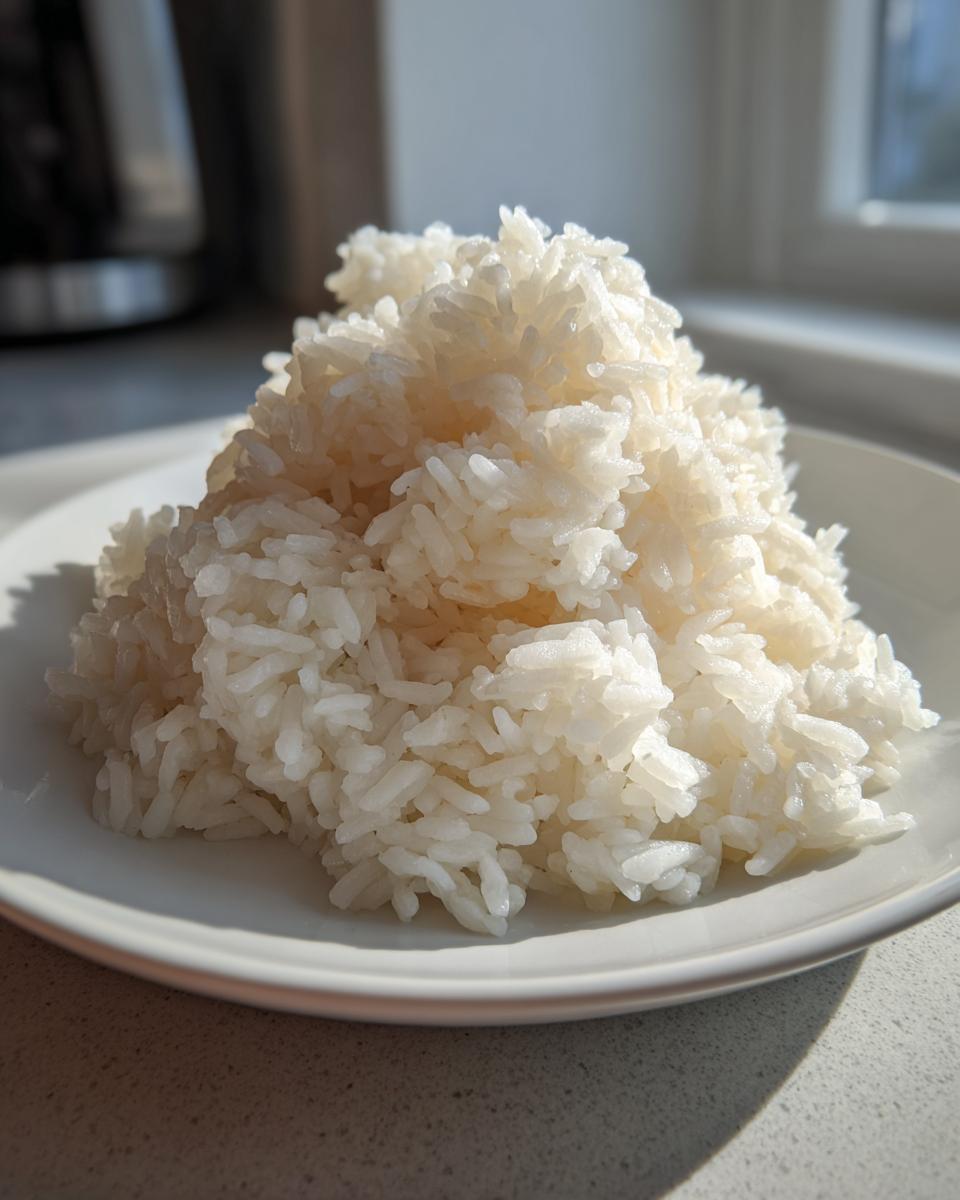
Next, put the clean rice, the exact 1 1/2 cups of water, and the optional salt right into your saucepan. Put the lid on tight and blast the heat up to medium-high until it rattles and boils hard. Now, the crucial step: as soon as you see that vigorous boil, you must reduce the heat immediately to the absolute lowest setting your burner will go. I mean barely even warm! Cover it tightly. Set your timer for 15 minutes, and I’m begging you—do NOT lift that lid for ANY reason! After the 15 minutes are up, turn off the heat completely, but leave the lid ON. Let it rest, undisturbed, for another 10 minutes. This resting time is so important; it lets the steam distribute evenly and finish cooking the interior of the grains perfectly for the best **Jasmine Rice Recipes**. When time is up, take the lid off and fluff gently with that fork!
Troubleshooting Common Issues in Jasmine Rice Recipes
Even when you follow the rules, sometimes stuff happens in the kitchen, right? Don’t stress if your first batch isn’t absolutely flawless. Cooking rice is usually about correcting mistakes mid-process or knowing how to save it afterward. I’ve learned a few tricks over the years trying to get the steam just right, especially when using different brands of rice, which can vary slightly in their water absorption rates. If you find yourself having issues, check out how to avoid that one big mistake people make when cooking grains!
If your rice comes out too wet, it almost always means one of two things: either you used too much water, or you lifted the lid during the simmer/rest time. If it’s just a little soggy, spread it out on a wide baking sheet immediately after fluffing and let the residual steam evaporate naturally for about five minutes. Sounds weird, but it works like magic to firm things up.
Now, the dreaded dry or slightly scorched result—that usually means your heat was too high during the simmer phase, even if it was on the lowest setting your stove allows. For rice that’s just a bit tough or dry, the fix is simple post-cooking recovery. Take the cooked rice, put it back in the pot, and drizzle just a tablespoon or two of hot water over the top. Cover it firmly again and let it sit off the heat for another ten minutes. That trapped external moisture gets sucked right into those dry grains without turning the rest of the pot into soup.
If you notice some scorching on the bottom, don’t scrape the bottom when you fluff! Just gently scoop the perfectly cooked upper layers out into a serving bowl, leaving the scorched bits behind. You’ve done your best, and that rice on top will still be amazing!
Serving Suggestions for Your Fluffy Jasmine Rice Recipes
The best part about finally mastering **Jasmine Rice Recipes** is seeing how this fragrant side dish instantly improves anything you put next to it! Because Jasmine rice has such a delicate, almost buttery perfume, it pairs beautifully with dishes that have strong, savory notes. Forget serving it with just plain chicken, give it something exciting!
It is the ultimate base for soaking up saucy delights. Think rich, Thai-style green curry or a vibrant Malaysian rendang. The fluffy texture soaks up just the right amount of sauce without becoming heavy. If you’re looking for something lighter, the aroma is gorgeous alongside perfectly grilled fish or shrimp.
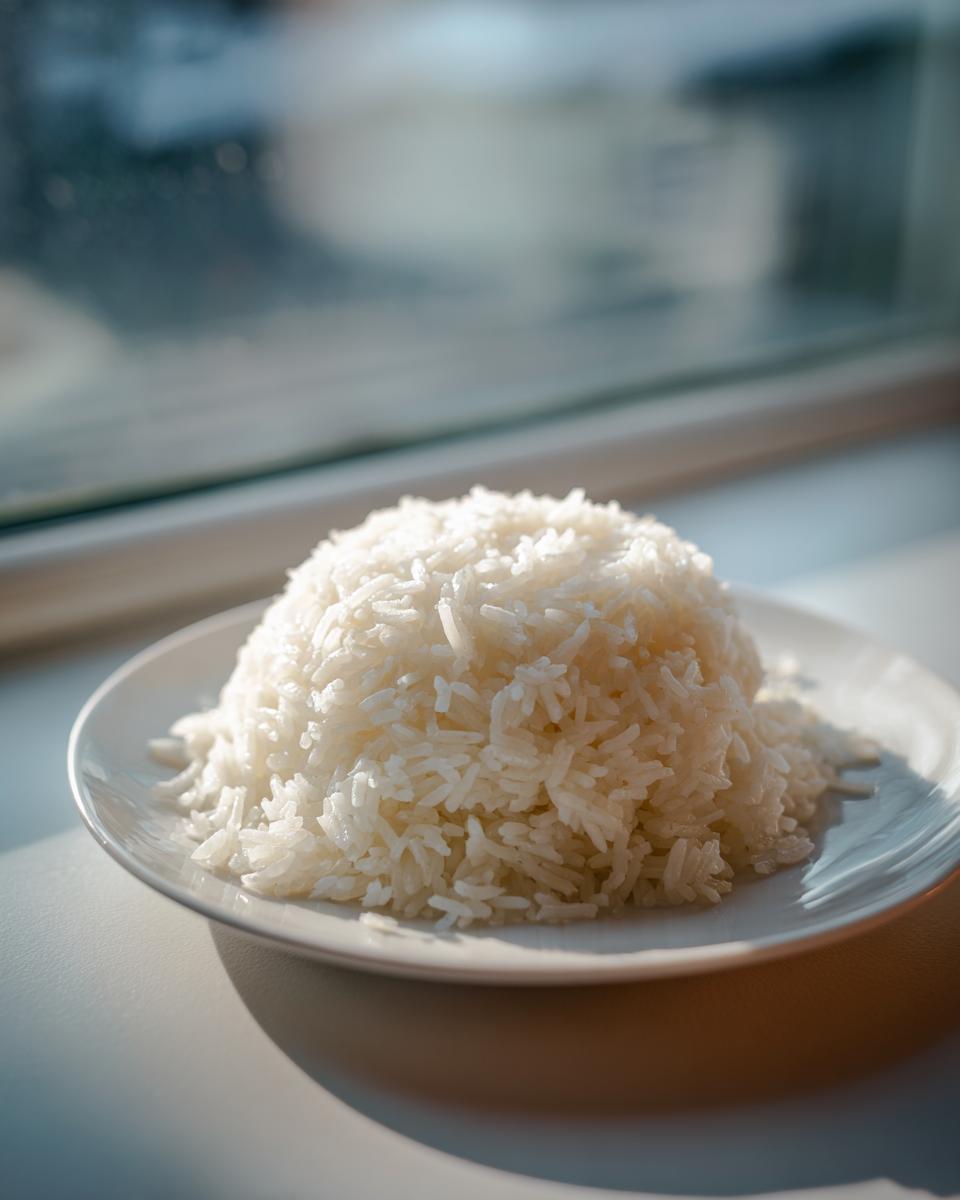
Of course, my favorite way to use this perfectly steamed rice is in a classic vegetable stir-fry, perhaps a chicken and veggie stir-fry. It gives you that authentic Asian restaurant experience right at your kitchen table. Seriously, don’t settle for soggy rice; your amazing main dish deserves this fragrant foundation!
Storage and Reheating Tips for Leftover Jasmine Rice Recipes
I always try to make enough rice so I have leftovers, because frankly, yesterday’s rice reheated perfectly on the stove is almost as good as fresh! But you have to store it right, or it turns into a hard block of something questionable by morning. The general rule for any leftover rice is speed: get it cooled down and into the fridge fast!
Once the rice has cooled down slightly from fluffing (don’t leave it out on the counter for hours!), you need to transfer it to an airtight container. I use these glass ones because they stack well, but any tight lid works. You want to limit its exposure to air so it doesn’t dry out or absorb fridge smells. Properly stored, room-temperature white rice like this should be fine in the refrigerator for 3 to 4 days. Any longer than that, and I toss it—food safety first, always!
Reheating is where people mess up the texture. If you just microwave a plain scoop, it’s going to come out chalky and dry, no matter how perfectly you steamed it the first time. The secret, and this is my favorite kitchen hack, is introducing steam back into the equation.
When you scoop out the portion you want to eat (don’t reheat the whole container!), put it in a microwave-safe bowl. Now, here’s the key: add just a teaspoon or maybe two of water over the top of the rice, depending on how much you are heating. Not enough to make it soupy, just enough to turn into steam while microwaving. Cover the bowl tightly with plastic wrap, leaving a tiny corner vented so steam can escape slowly. Microwave it on medium power for about 60 to 90 seconds. That little bit of added moisture traps the heat and steams the grains back to their fluffy selves. It smells fantastic, and you’d swear it was just made!
If you don’t have a microwave, the stovetop works too, just use a small pot. Add the rice and the water, cover tight, and heat on very low until the water is absorbed and the rice is steaming hot throughout. Takes a bit longer than the microwave, but the texture is just as good!
Frequently Asked Questions About Jasmine Rice Recipes
I get so many questions about rice because everyone wants that perfect, non-sticky side dish. These simple stovetop **Jasmine Rice Recipes** are usually foolproof, but I totally get why people worry about ratios and timing. Here are the things I hear most often when people are trying to get their technique down!
What is the best water to rice ratio for Jasmine Rice Recipes?
For this specific type of rice—the fragrant, long-grain Jasmine—the sweet spot is 1 part rice to 1 and 1/2 parts water. So, for the recipe we just did, that’s exactly 1 cup of dry rice to 1 1/2 cups of water. This ratio is fantastic because Jasmine rice releases a bit less starch than some others, so it needs just a touch less water to steam perfectly without getting mushy. It’s the tried-and-true measurement that gives you light, separate grains every time in your **Jasmine Rice Recipes**.
Can I use less water in my Jasmine Rice Recipes for firmer rice?
I know sometimes you want that *super* firm rice, maybe if you’re making fried rice tomorrow, but I really caution against cutting the water down too much here. If you go much lower than the 1.5 ratio, you risk scorching the bottom layer before the steam has time to cook the top half properly. You’ll end up with rice that’s crunchy in the middle and burned on the bottom—not good! If you absolutely must have it firmer, try reducing the water by just one tablespoon, but watch it like a hawk during the simmer phase. Better yet, stick to the resting time, which is often what makes people think their rice is too wet when it’s just settling.
How long should I rest my Jasmine Rice Recipes after cooking?
This 10-minute resting period, after you turn the heat off but *before* you lift the lid, is absolutely non-negotiable for successful **Jasmine Rice Recipes**! It’s the final, crucial stage of cooking. During those 15 minutes of low simmer, the water turns mostly to steam, but the center of the grain is still a tiny bit undercooked. When you let it sit off the heat, that latent steam evenly permeates every grain. If you skip it or rush it, the top half will feel perfectly done, but the bottom half will still be a little stiff. Don’t peek, don’t poke—just wait the full ten minutes. It’s worth the patience, I promise!
Nutritional Snapshot of Simple Steamed Rice
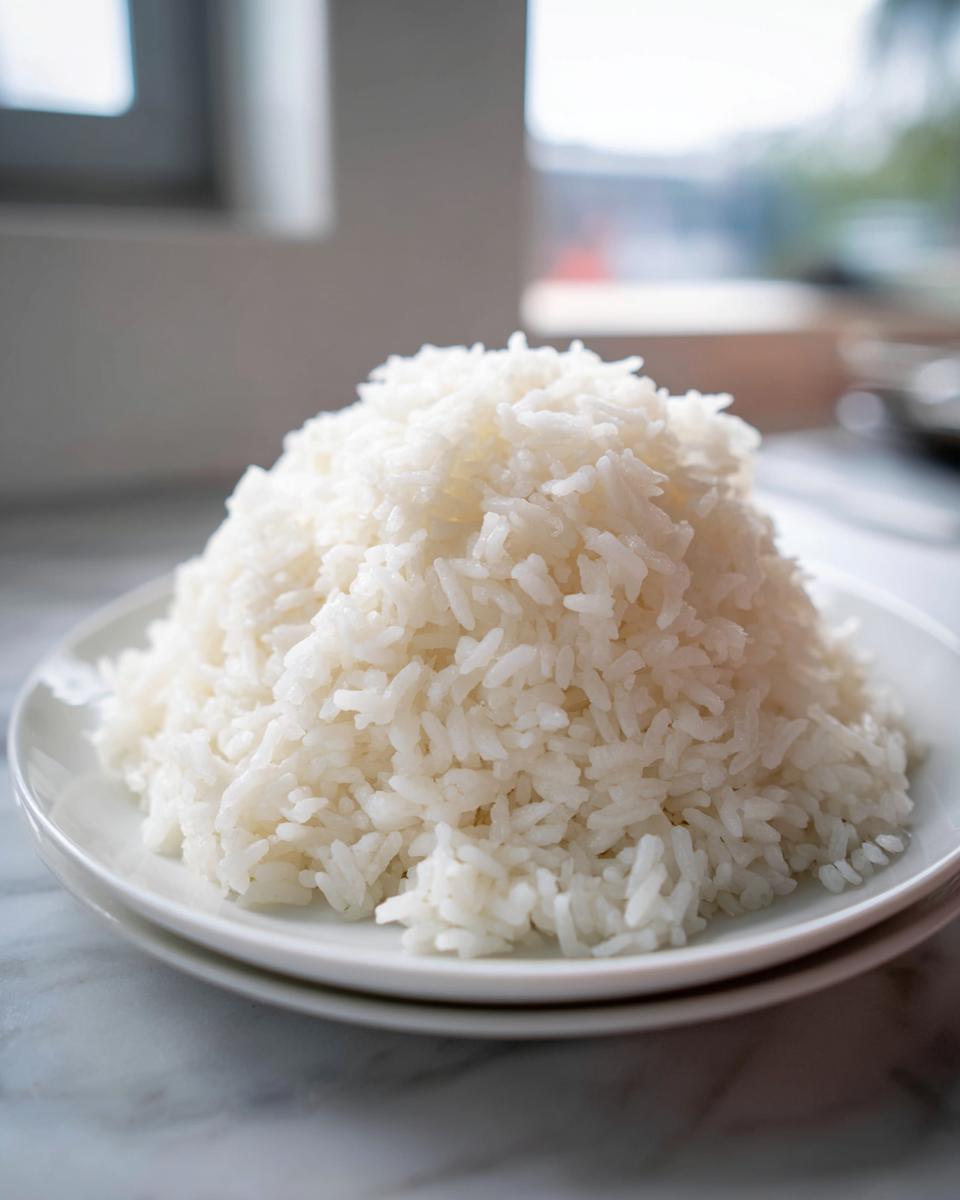
While we are deep in the world of flavor and fragrance, it’s always good to have a quick look at what you’re actually eating! Remember, this is just simple white rice cooked with water and a pinch of salt—no butter added to this batch, which keeps the numbers nice and low. This snapshot gives you a general idea of what’s in one serving size calculated based on the recipe yield. I always tell people that basic steamed rice is a fantastic base for building balanced meals because it’s naturally low in everything you aren’t looking for!
The nutritional content below is based on serving roughly half a cup of the cooked rice:
- Serving Size: 1/2 cup cooked
- Calories: 205
- Sugar: 0.1 grams
- Sodium: 1 mg (This is super low because we only added a tiny pinch of salt!)
- Fat: 0.4 grams (Mostly unsaturated, which is great!)
- Saturated Fat: 0.1 grams
- Trans Fat: 0.0 grams
- Carbohydrates: 44.8 grams
- Fiber: 0.5 grams
- Protein: 4.2 grams
- Cholesterol: 0 mg
Now, I have to give you the standard cook’s disclaimer here: these numbers are estimates! They are based on perfectly measured amounts of plain jasmine rice and water. If you decide to soak your rice in coconut milk next time, or if you get a very different batch of rice from the store, these totals will shift. But for this basic, pure preparation, you’re looking at a clean serving of energy-providing carbs with negligible fat and sugar. It’s a wonderful canvas for those big, flavorful curries we talked about earlier!
Print
Simple Steamed Jasmine Rice
- Total Time: 25 min
- Yield: 2 servings 1x
- Diet: Vegetarian
Description
A basic recipe for cooking perfect, fluffy jasmine rice using a stovetop method.
Ingredients
- 1 cup jasmine rice
- 1 1/2 cups water
- 1/2 teaspoon salt (optional)
Instructions
- Rinse the rice under cold running water in a fine-mesh sieve until the water runs clear.
- Combine the rinsed rice, water, and salt (if using) in a medium saucepan with a tight-fitting lid.
- Bring the mixture to a boil over medium-high heat.
- Once boiling, immediately reduce the heat to the lowest setting.
- Cover the saucepan tightly and simmer for 15 minutes without lifting the lid.
- Remove the saucepan from the heat and let it stand, covered, for another 10 minutes.
- Fluff the rice gently with a fork before serving.
Notes
- Rinsing the rice removes excess starch, resulting in less sticky grains.
- Do not lift the lid during the simmering or resting periods to trap the steam.
- Prep Time: 5 min
- Cook Time: 15 min
- Category: Side Dish
- Method: Stovetop
- Cuisine: Asian
Nutrition
- Serving Size: 1/2 cup cooked
- Calories: 205
- Sugar: 0.1
- Sodium: 1
- Fat: 0.4
- Saturated Fat: 0.1
- Unsaturated Fat: 0.3
- Trans Fat: 0.0
- Carbohydrates: 44.8
- Fiber: 0.5
- Protein: 4.2
- Cholesterol: 0
Keywords: jasmine rice, steamed rice, white rice, side dish, easy rice