
Oh, nothing beats the smell of fresh bread baking, does it? Seriously, it just transforms the whole house into this warm, cozy spot instantly. I’ve tried every recipe under the sun to get that perfect, cloud-like texture, and I finally cracked the code! I’m telling you, these Soft Homemade Dinner Rolls are absolutely the softest, fluffiest rolls you will ever pull out of your oven. Trust me, they are consistently perfect every single time I make them. Every year at Thanksgiving, I have to triple the batch because people skip right over the turkey and head straight for these golden beauties. After years of testing and perfecting, this recipe is my tried-and-true success story, and I can’t wait for you to try them!
Why You Will Love These Soft Homemade Dinner Rolls
I know, I know, baking bread from scratch seems intimidating, but honestly, these sweet little things couldn’t be easier and the results are just heavenly. You absolutely need these in your life!
- They achieve that incredible, pull-apart, melt-in-your-mouth texture that store-bought rolls just cannot touch.
- The process is surprisingly straightforward once you get the dough kneaded right. It’s perfect for beginner bakers!
- They bake up beautifully golden; I swear the smell alone is worth the effort.
- Even after they cool, they stay soft for days if you store them right—though they never actually last that long in our house!
- We use just a tiny bit of melted butter brushed on top immediately after baking for that extra layer of flavor and shine.
- They are truly versatile—perfect for soaking up gravy or just eating plain with a smear of good jam.
If you’re looking for even more ways to perfect your roll game, you should definitely check out this roundup of different homemade bread roll ideas; sometimes a little inspiration goes a long way!

Essential Ingredients for Perfect Soft Homemade Dinner Rolls
Getting the right foundation is everything in baking, right? You wouldn’t try to build a house without good materials! These ingredients are what make these rolls genuinely special and why they turn out so incredibly soft instead of tough. Don’t skip over those little preparation details—they are my secret weapons!
For the magic to happen, you’ll need:
- One cup of milk that is nice and warm, hitting that sweet spot between 105 to 115 degrees F. That’s yeast food!
- Two and one-quarter teaspoons of active dry yeast—it needs to be fresh and ready to party.
- A quarter cup of granulated sugar to feed the yeast and add a touch of sweetness.
- A quarter cup of unsalted butter, which must be melted before mixing in.
- One large egg for richness and structure.
- One teaspoon of salt to balance everything out.
- About three to three and a half cups of all-purpose flour, kept ready for lightly flouring your surface later. Remember, you might need slightly less or more!
- And for that beautiful golden crust, one egg white, beaten, for brushing on top before baking.
See? Nothing too crazy, but every bit of preparation detail contributes directly to those dreamy, soft rolls!
Step-by-Step Guide to Making Soft Homemade Dinner Rolls
Okay, this is where the “homemade” magic really happens! Don’t rush these steps, especially the rising times, because that’s all the time the yeast needs to create those gorgeous, airy pockets that make these rolls so soft. If you’re looking for baking bread fast, sometimes you just have to embrace the waiting game, but trust me, the result is like bread perfection achieved right at home.
Activating the Yeast and Mixing the Wet Ingredients
First things first, we wake up the yeast! Pour your warm milk—remember, 105 to 115 degrees—into a big bowl and sprinkle the yeast right on top. You have to wait about five minutes while that yeast starts bubbling up; if it gets nice and foamy, that means your yeast is alive and ready to work! That foam is proof, my friend. Once it’s foamy, just stir in your sugar, the melted butter, salt, and that single egg until everything looks combined. We’re just getting our liquid base ready here.
Developing the Dough for Your Soft Homemade Dinner Rolls
Now we add the structure! Start incorporating the all-purpose flour one cup at a time into your wet mix. Keep stirring until you absolutely can’t stir anymore and it just starts looking like shaggy dough. Then, you need to get your hands in there! Turn that mixture out onto a surface you’ve lightly floured. You’ll knead this for about five to seven minutes. You’re looking for that beautiful texture—it should feel smooth all over and have a nice springy resistance, that’s what we call smooth and elastic. If you want to see some great tips on kneading, check out this guide on making simple homemade bread.
First Rise and Shaping the Soft Homemade Dinner Rolls
Time for a nap! Lightly grease a clean bowl, tuck your lovely dough ball inside, and roll it around so it gets coated nicely in grease. Cover it up—plastic wrap or a clean dish towel works—and find the warmest spot in your kitchen. Seriously though, if your kitchen is cold, the dough won’t rise well, so maybe near the top of the fridge or in a slightly warm, but turned-off, oven works wonders. Let it sit for an hour to an hour and a half until it’s doubled in size. When it’s ready, gently punch it down (don’t deflate it completely!), divide the dough into 12 equal pieces, and lovingly roll each piece into a perfect little ball. Arrange those sweet balls snugly together in your greased 9×13 inch pan.
Second Rise and Baking Your Soft Homemade Dinner Rolls
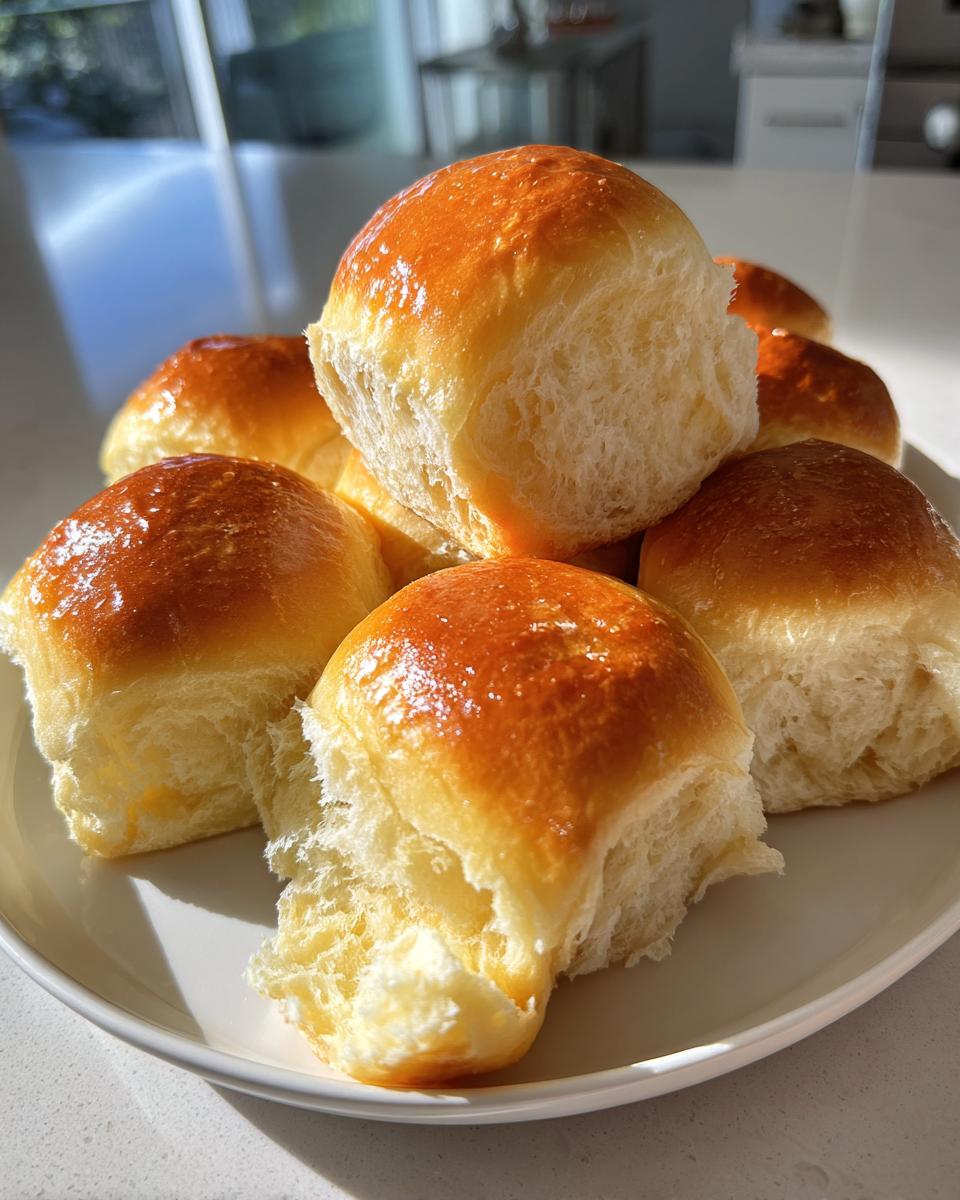
These rolls need one more float! Cover that pan again and let them rest for another 30 to 45 minutes. They should look puffy and crowd each other a bit. While they’re getting puffy, always preheat your oven to 375 degrees F (that’s 190 degrees C). When they’ve had their second rise, grab that beaten egg white and brush the tops gently—this gives you that gorgeous, shiny brown color. Bake them for about 15 to 20 minutes; keep an eye on them so they get that perfect golden brown look. When they come out, brush them immediately with a little melted butter if you like that extra touch of rich moisture!
Expert Tips for Achieving Maximum Softness in Your Soft Homemade Dinner Rolls
We’ve nailed the basics, now let’s talk about the little things that separate a good roll from a truly legendary roll. If fluffiness is what you’re after, you have to pay attention to two main things: how you measure flour and what you do the *second* they come out of the oven.
First, the flour! Don’t scoop your measuring cup directly into the flour bag; I know we’ve all been tempted, but packing the flour in makes them heavy! Always spoon the flour lightly into your measuring cup and then level it off—that tiny difference is huge for soft buns. If you want even more insight into how small changes can make a big difference in your baking, this article on avoiding common baking mistakes really helped me out.
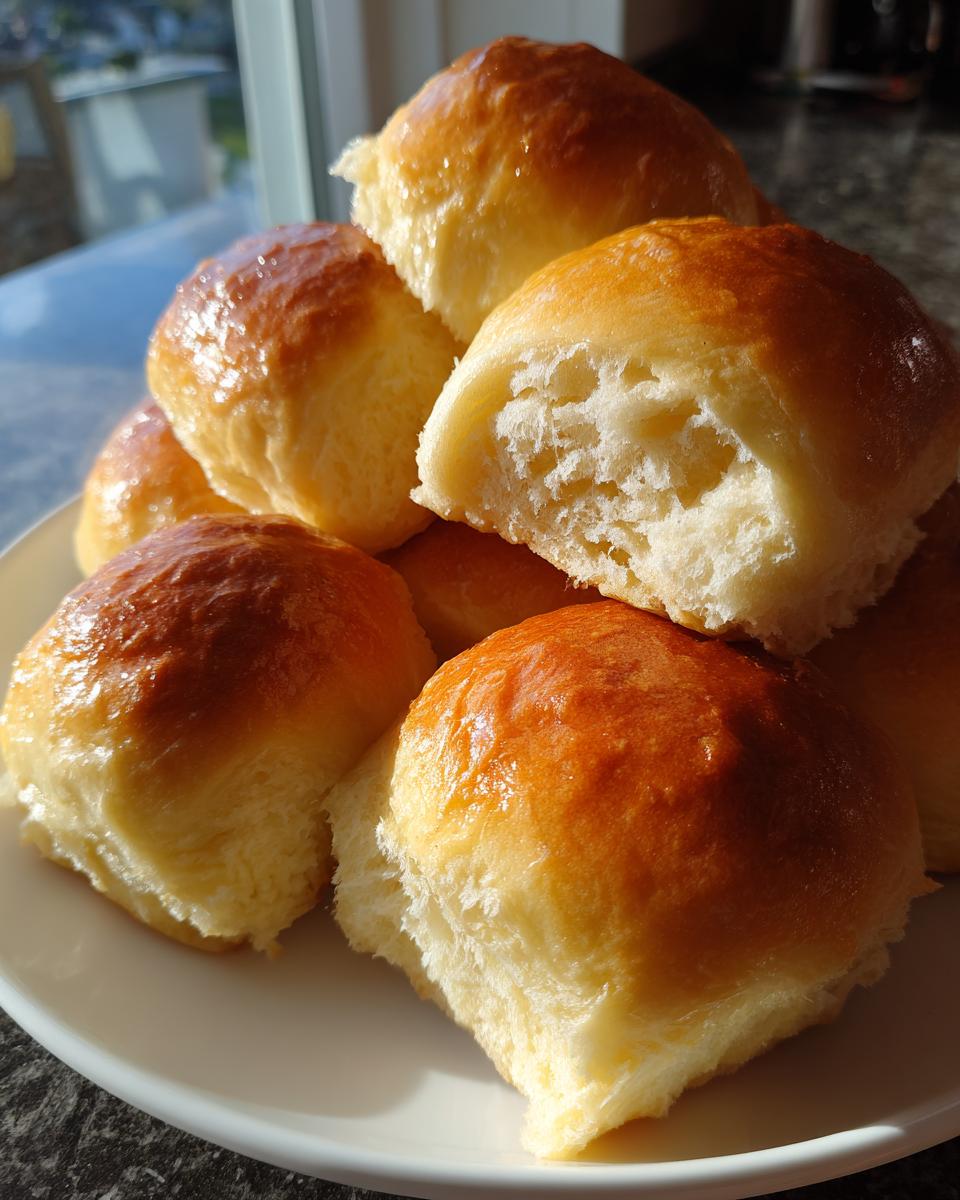
My absolute favorite way to lock in that beautiful softness is what happens right as they hit the cooling rack. As soon as these Soft Homemade Dinner Rolls are done, brush them with butter (if you haven’t already) and immediately cover the whole pan loosely with a clean kitchen towel while they cool down. That steam gets trapped and keeps the crust tender instead of letting it dry hard. Trust me, this trick is non-negotiable for ultimate softness!
Ingredient Notes and Substitutions for Soft Homemade Dinner Rolls
Even though this recipe is pretty solid, sometimes you run into an ingredient hurdle, right? Life happens! The most important thing is making sure you respect the role of the liquid temperature. If your milk isn’t quite hitting that 105 to 115 degree mark—maybe it’s too cold from the fridge—don’t just throw the yeast in there! Yeast is grumpy when it’s cold.
If that happens, just pop the milk into a small saucepan over super low heat. You just want it warm to the touch, nothing near simmering—seriously, keep a finger near it if you don’t have a thermometer! Once it feels comfortably warm, pull it off the heat right away. It’s way better to warm it up gently than to accidentally kill the yeast with scorching milk.
Now let’s talk flour, because that really changes the texture of your Soft Homemade Dinner Rolls. We list all-purpose flour because it’s dependable. But if you happen to have bread flour on hand? Go for it! Bread flour has higher protein, which means more gluten development, and that often results in an even chewier, slightly stronger structure, which I actually love for rolls. If you use bread flour, you might notice you need just a tiny bit less of it, or the dough might feel a little stiffer when you knead.
If you try whole wheat, though, be warned: it tends to absorb more liquid and will definitely make your rolls denser, so you won’t get that signature cloud-like softness we are aiming for here. For the absolute softest rolls, stick to the all-purpose flour specified!
Serving Suggestions for Your Soft Homemade Dinner Rolls
Once these beauties are out of the oven, golden and still steaming, the real question is: gravy or honey? Honestly, they are so good they don’t need anything at all, but serving them with something else just maximizes the dinner experience, right?
Here are a few ways we ensure these Soft Homemade Dinner Rolls get completely demolished at our table:
- With Holiday Spreads: If you’re making these for a big dinner, smother a warm roll in salty butter and watch it melt right into the crevices. Honestly, don’t even share!
- Dipping Heaven: They are the perfect vehicle for soaking up every last bit of sauce. They are fantastic alongside a hearty stew or even just a simple, rich meatloaf. And if you’re making soup? Seriously, you need these rolls. Picture dipping one of these fluffy guys into this creamy chicken pasta soup—perfection!
- Breakfast Treat: Don’t limit these to just dinner! Split one open the next morning, toast it lightly, and spread it with honey butter or even just some good raspberry jam. They turn breakfast into a five-star event!
They are just so wonderfully neutral and fluffy that they pair well with practically anything savory or sweet you throw at them. Enjoy them hot!
Storage and Reheating Instructions for Soft Homemade Dinner Rolls
Okay, so you’ve actually managed to have leftovers—impressive! The biggest challenge with homemade bread, even these wonderfully soft ones, is keeping that cloud-like texture past day one. You don’t want them getting hard, so you need to treat them right!
For keeping them soft for about a day or two, you must find an airtight container. Seriously, skip the plastic baggie if you can! Pop the rolls inside and seal it up tight. Room temperature is totally fine for a couple of days. Storing them in the fridge is a big no-no for soft yeast rolls, though; the cold air dries them out and sort of freezes that soft texture in a bad way.
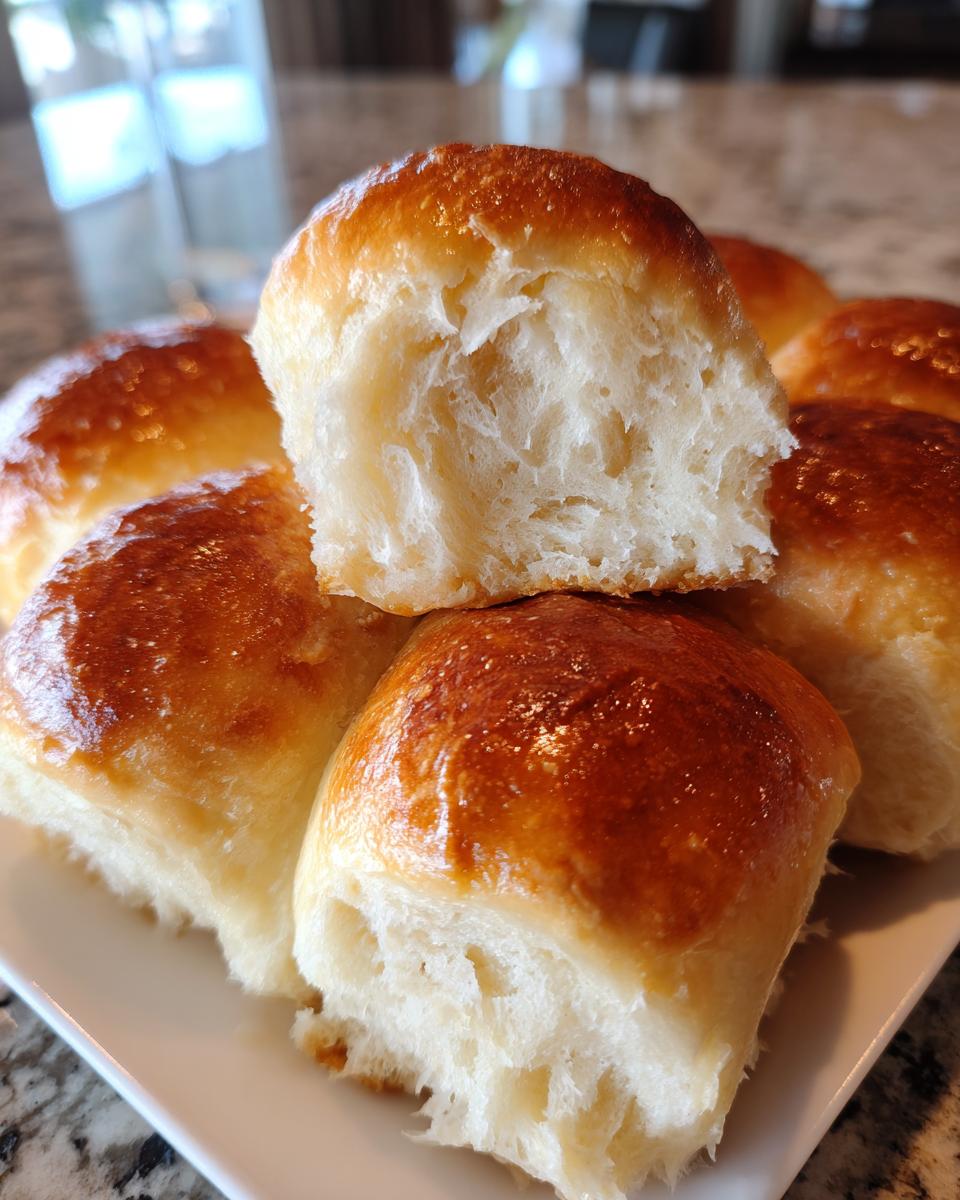
Now, let’s talk about reheating because that’s key to bringing back that melt-in-your-mouth magic. If you just toss them in the microwave for five seconds, they get chewy and weird fast. You want to aim for that warm, fresh-from-the-oven feeling!
My favorite way is the oven method. Wrap your rolls loosely in aluminum foil—this traps the steam while reheating. Pop them in an oven preheated to about 300 degrees F (150 degrees C) for just about 5 to 8 minutes. That gently warms them all the way through without making the bottom crust crispy.
If you’re in a massive hurry (which, let’s be honest, happens all the time!), you can use the microwave, but you have to do it right. Place one or two rolls on a microwave-safe plate and drape a slightly damp paper towel over them. Microwave them on medium power for about 10 to 15 seconds, checking halfway through. That moisture from the towel steam helps them soften up quick! Just be careful not to overdo it, or you’ll get that rubbery texture we are trying so hard to avoid with these Soft Homemade Dinner Rolls.
Frequently Asked Questions About Making Soft Homemade Dinner Rolls
I always get so many questions when people try these rolls for the first time, usually about yeast or rising, because that’s where most people get nervous about bread baking. Don’t worry your pretty head; we cover all the little hiccups here so you end up with perfect results every time. If you ever get stuck and need to talk bread with someone, you can always reach out via the contact page!
Can I use instant yeast instead of active dry yeast in this Soft Homemade Dinner Rolls recipe?
Yes, you totally can! Instant yeast (or rapid-rise) acts faster, so you can skip that initial five-minute foaming step with the warm milk. Just whisk your instant yeast right in with the sugar and flour before you combine it with the wet ingredients. Since instant yeast is more potent, you typically use slightly less—about 2 teaspoons for this recipe instead of the 2 1/4 teaspoons of active dry. This is a great trick for when you’re rushing and want amazing Soft Homemade Dinner Rolls!
Why didn’t my dough double in size during the first rise?
That is almost always a temperature issue, bless its heart! Yeast is sensitive little things. If your milk was too cold, the yeast just naps, and nothing happens. If the milk was too hot—over 125 degrees—you probably killed the little guys, and they won’t wake up. Also, if you dug out your yeast jar and it’s been sitting open in the back of the pantry for ages, it might just be expired. If you suspect cold temps, try setting the covered bowl on top of your oven *after* you turn it on for a few minutes to warm it up a bit before you put the dough in there to rise.
Estimated Nutritional Breakdown for Soft Homemade Dinner Rolls
I always feel a little bit guilty when I eat too many of these rolls, but hey, at least we know what we’re dealing with! Here is the nutritional information based on the ingredients in this recipe. Remember, this is my best guess, calculated per roll based on 12 servings. Baking is tricky, and ingredients brands can make a difference!
Consider this your general guide, not a strict medical fact sheet after you’ve added extra butter toppings!
- Serving Size: 1 roll
- Calories: 180
- Sugar: 5g
- Sodium: 250mg
- Fat: 5g
- Saturated Fat: 3g
- Unsaturated Fat: 2g
- Trans Fat: 0g
- Carbohydrates: 29g
- Fiber: 1g
- Protein: 5g
- Cholesterol: 25mg
When you look at those numbers, they aren’t bad at all for a homemade treat made with real butter and sugar! It really proves how important it is to know exactly what goes into what you’re eating. I find that being transparent about the estimates helps everyone enjoy these Soft Homemade Dinner Rolls just a little bit more, knowing exactly what they’re indulging in!
Share Your Soft Homemade Dinner Rolls Experience
Alright, now it’s your turn! I’ve shared all my secrets for perfect, fluffy Soft Homemade Dinner Rolls, and now I need to see your masterpieces. Baking is such a fun, visual thing, and I truly love seeing how everyone’s efforts turn out in their own kitchens!
When you make these, please come back here and leave a star rating! It helps me know if my tips worked for you, and it helps others feel confident about trying the recipe next time. Seriously, don’t be shy about telling me if they were the softest rolls you’ve ever made—that’s my highest compliment!
If you snapped a picture of those golden beauties coming out of your oven? Tag me on social media! I want to see your pull-apart clusters and how you served them up. Seeing those little hands reaching for a warm roll always makes my day!
And if you have any burning questions that I missed in the FAQ, drop them in the comments below. We bakers have to stick together! For more about my own kitchen adventures and why I love sharing these family-tested recipes, you can always read a bit more about me on my About page. Happy baking, everyone!
Print
Soft Homemade Dinner Rolls
- Total Time: 130 min
- Yield: 12 rolls 1x
- Diet: Vegetarian
Description
A recipe for making soft, fluffy dinner rolls from scratch.
Ingredients
- 1 cup warm milk (105–115 degrees F)
- 2 1/4 teaspoons active dry yeast
- 1/4 cup granulated sugar
- 1/4 cup unsalted butter, melted
- 1 large egg
- 1 teaspoon salt
- 3 to 3 1/2 cups all-purpose flour
- 1 egg white, beaten (for brushing)
Instructions
- Combine warm milk and yeast in a large bowl. Let stand for 5 minutes until foamy.
- Stir in sugar, melted butter, egg, and salt into the yeast mixture.
- Gradually add flour, one cup at a time, mixing until a soft dough forms. You may need slightly less or more flour.
- Knead the dough on a lightly floured surface for 5 to 7 minutes until smooth and elastic.
- Place the dough in a greased bowl, turning to coat. Cover the bowl with plastic wrap or a clean cloth.
- Let the dough rise in a warm place for 1 to 1 1/2 hours, or until doubled in size.
- Punch down the dough gently. Divide it into 12 equal pieces.
- Roll each piece into a smooth ball. Place the balls close together in a lightly greased 9×13 inch baking pan.
- Cover the pan and let the rolls rise again for 30 to 45 minutes, or until puffy.
- Preheat your oven to 375 degrees F (190 degrees C).
- Brush the tops of the rolls lightly with the beaten egg white.
- Bake for 15 to 20 minutes, or until golden brown.
- Remove from the oven and brush the tops immediately with melted butter, if desired. Serve warm.
Notes
- For extra soft rolls, cover the baked rolls with a clean kitchen towel immediately after removing them from the oven.
- If you do not have warm milk, you can warm the milk gently on the stovetop, checking the temperature frequently.
- Prep Time: 30 min
- Cook Time: 20 min
- Category: Baking
- Method: Baking
- Cuisine: American
Nutrition
- Serving Size: 1 roll
- Calories: 180
- Sugar: 5
- Sodium: 250
- Fat: 5
- Saturated Fat: 3
- Unsaturated Fat: 2
- Trans Fat: 0
- Carbohydrates: 29
- Fiber: 1
- Protein: 5
- Cholesterol: 25
Keywords: dinner rolls, soft rolls, homemade bread, yeast rolls, white bread