
There’s just something about a classic cake, isn’t there? Something that feels perfectly nostalgic, even if you’re making it for the first time. While elaborate layer cakes get all the fanfare, I keep coming back to the humble, gorgeous structure of a ring cake. That’s why this vanilla Bundt Cake recipe is my go-to sanity saver when I need a guaranteed crowd-pleaser.
Seriously, if you’ve ever been intimidated by those fancy fluted pans, don’t be! This recipe is wonderfully straightforward. It skips the fussy fillings and complex steps, focusing instead on pure vanilla flavor and incredible moisture. I love this particular **Bundt Cake** because it always releases perfectly from the pan, which, let’s be honest, is half the battle! It’s the kind of cake I whip up when friends drop by unexpectedly. You’ll want to run to the kitchen right now to try this foolproof method for a beautiful, moist vanilla cake.
If you’re looking for a similar vibe but perhaps want to dive into something a bit more complex next time, you absolutely have to check out my take on a homestyle yellow cake.
Gathering Ingredients for Your Simple Vanilla Bundt Cake
Okay, before we even think about those beautiful fluted sides, we need to talk about our cast of characters. Baking is science, honey, and if you mess with the ratios here, your beautiful Bundt Cake might try to stage a revolt and stick itself permanently to the pan! That’s why I cannot stress this enough: everything warm needs to be *warm*, and everything cold needs to be *room temperature*.
We’re going for that fluffy, light texture, and that only happens if your butter and eggs are relaxed and ready to mingle. Seriously, take them out an hour before you plan to start mixing—it’s worth the wait, trust me! Once you have your ingredients ready to go, you can see the straightforward nature of this recipe. If you love simple baking like this, you should check out my easy classic pound cake recipe next!
Essential Components for the Vanilla Bundt Cake Batter
You’ll need these components to build the structure for your perfect cake. Precise measurements here mean a perfect vanilla flavor without any sinking!
- 1 cup unsalted butter, softened (don’t skip the softening part!)
- 2 cups granulated sugar
- 4 large eggs
- 1 tablespoon vanilla extract – be generous here, that’s where the flavor comes from!
- 3 cups all-purpose flour
- 1 teaspoon baking powder
- 1/2 teaspoon salt
- 1 cup whole milk
Getting these pantry staples right is the first step to ensuring a successful, gorgeous Bundt Cake.
Tips for Success When Making This Bundt Cake
Baking a cake in one of those gorgeous, intricate pans can feel intimidating—I get it! You see all those swirls and crevices, and you immediately picture the moment you try to flip it, only to have half the delicate design shatter onto the cooling rack. Don’t let that fear stop you! This recipe is tried and true, but a few pro-tips will guarantee your vanilla Bundt Cake slides right out.
We talked about room temperature earlier, but it bears repeating because it’s crucial for the texture you want. And if you’re looking for even more beautifully baked treats, my yellow Bundt cake with chocolate ganache is an absolute showstopper!
Room Temperature Matters for a Perfect Bundt Cake
When your butter and eggs are cold, they just don’t incorporate air properly when you cream them with the sugar. Cold lumps create dense spots in the batter. We want light, fluffy creaming action—that’s what gives our final Bundt Cake that tender, almost velvety crumb instead of a heavy brick texture.
Proper Pan Preparation
This is your insurance policy against disaster! Don’t just spray your pan lightly. You need to manually grease and flour *every single nook and cranny* of that detailed Bundt Cake pan. I usually use a smear of softened shortening or butter, rubbing it with my fingers to make sure it hits the bottom and all the ridges, then I dust it heavily with flour. Swirl the pan around until the entire surface is coated, tap out the excess, and you are ready for batter!
Step-by-Step Instructions for Your Moist Bundt Cake
Alright, the ingredients are ready, the pan is greased better than a politician’s handshake—it’s time to mix! The beauty of this recipe is how quickly it comes together once you’ve done your prep work. We’re aiming for a smooth, cohesive batter that captures all that air we beat into the butter and sugar so that final **Bundt Cake** is light, not dense. Just remember, patience during the mixing and creaming stages pays off huge when it comes time to slice!
If you find yourself needing a decadent chocolate moment after this vanilla success, hop over and look at my chocolate caramel toffee cake recipe!
Preparing the Pan and Oven
First things first, get that oven nice and cozy! Preheat everything to 350 degrees F, which is 175 degrees C. While that’s heating up, grab your 10-cup **Bundt** pan. Remember what I said? Grease it thoroughly, dust it heavy with flour, and make sure you get into all those decorative grooves. No halfway measures here; we want a clean release!
Mixing Wet Ingredients
Now for the main event! Grab your biggest bowl—you’ll need the space. Cream that softened butter and sugar together. You’re looking for it to get pale and fluffy; this takes a few good minutes of beating. Once you have that dreamy texture, add in the four large eggs, one at a time. Don’t rush this part; mix until each egg disappears before adding the next. Finish up the wet additions by stirring in that teaspoon of lovely vanilla extract.
Combining Dry Ingredients and Final Batter Assembly
In a totally separate bowl, whisk your dry stuff: the flour, baking powder, and salt. We whisk to combine so the leavening agents distribute evenly. Now, here’s the balancing act: add about a third of the dry mix into your wet ingredients, gently stir, then pour in half of your milk. Repeat that pattern—dry, then milk, then finish with the remaining dry mix. Stop mixing the second everything comes together! Overmixing the **Bundt Cake** batter is the fastest way to get a tough cake, so be gentle!
Baking and Cooling the Bundt Cake
Pour that beautifully mixed batter evenly into your prepared pan. Pop it into the middle of your preheated oven. It’ll need about 50 to 60 minutes to bake. You’ll know it’s done when a wooden skewer inserted right in the center comes out totally clean—no wet batter clinging to it. Once out, let it sit in that warm pan for exactly 10 minutes. Then, quickly but carefully, flip it over onto a wire rack to cool completely. Don’t leave it in the pan too long, or the residual heat can actually make it stick!

Simple Glaze for Your Vanilla Bundt Cake
This vanilla Bundt Cake is stunning all by itself, but if you want that extra little bit of sweetness dripping down those beautiful ridges, a simple glaze is all you need. Honestly, I usually just dust mine with powdered sugar, but when company comes over, I whip up this quick icing!
It’s so easy. You basically just whisk together one cup of powdered sugar with just enough milk—start with two tablespoons and go from there—until it’s perfectly smooth and pourable. You want it thick enough to cling to the cake but thin enough to stream beautifully.
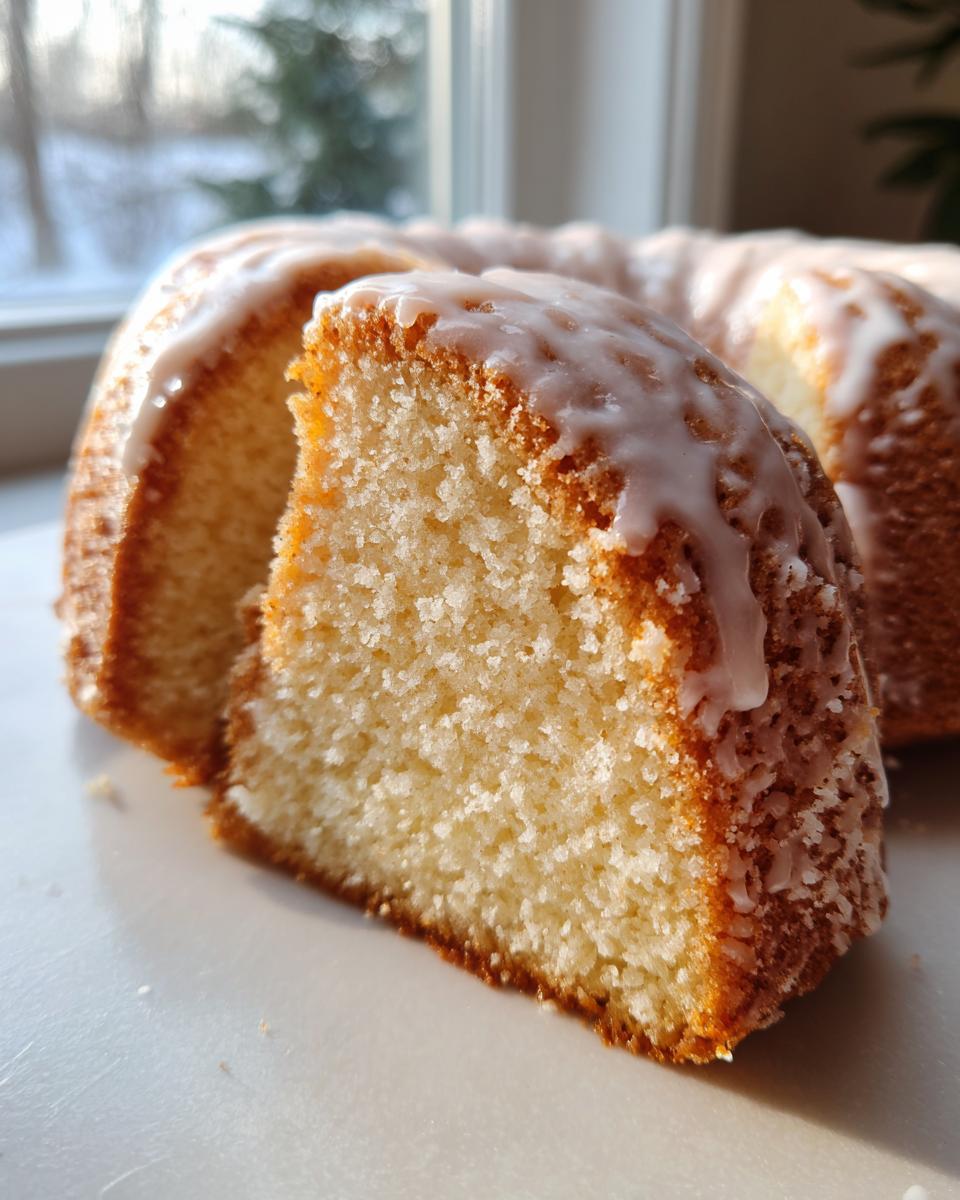
Make sure your cake is completely cool before you drizzle this on, otherwise, it just melts right off into a puddle on the rack. If you feel inspired, a drop of lemon zest mixed in works wonders with this vanilla base too!
Serving Suggestions for the Classic Bundt Cake
This vanilla Bundt Cake is honestly a blank canvas, which is why I love it so much! It looks so elegant just sitting there on its own, but a few simple additions can really dress it up for any occasion. You absolutely don’t need complicated frosting to make it special.
For an afternoon treat, I often serve slices warm alongside a strong cup of coffee or tea. If you’re feeling a bit fancy, fresh berries are just perfect—think sliced strawberries or a handful of raspberries. Their tartness cuts through the richness of the cake so nicely. If you haven’t tried my raspberry almond tea bread recipe, you might love the flavor profile even though it’s not a **Bundt Cake**!
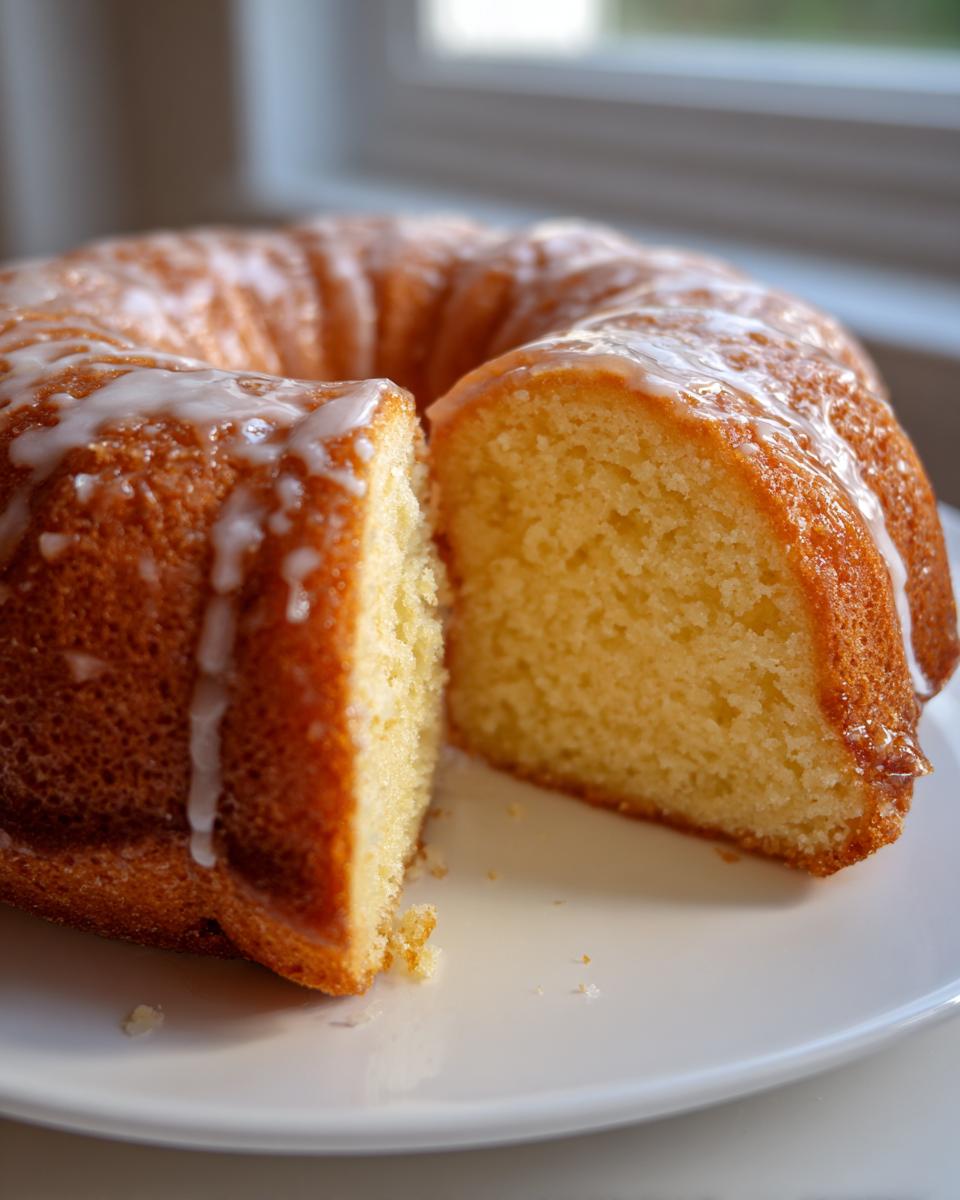
If you want a wow factor with zero effort, just dust it with a little powdered sugar right before serving. It settles beautifully into those grooves!
Storing Leftovers of Your Delicious Bundt Cake
Good news: this amazingly moist Bundt Cake lasts a good long while! But because it’s so tender, we need to treat it right to keep that texture perfect. You don’t want it drying out on the counter because you left it exposed right?
For short-term storage, like two or three days, I keep the cake right on a serving plate—if it’s not glazed, anyway—and cover it loosely with foil or place it under an overturned large cake dome. Don’t seal it airtight right away if it’s freshly frosted, or you’ll trap condensation!
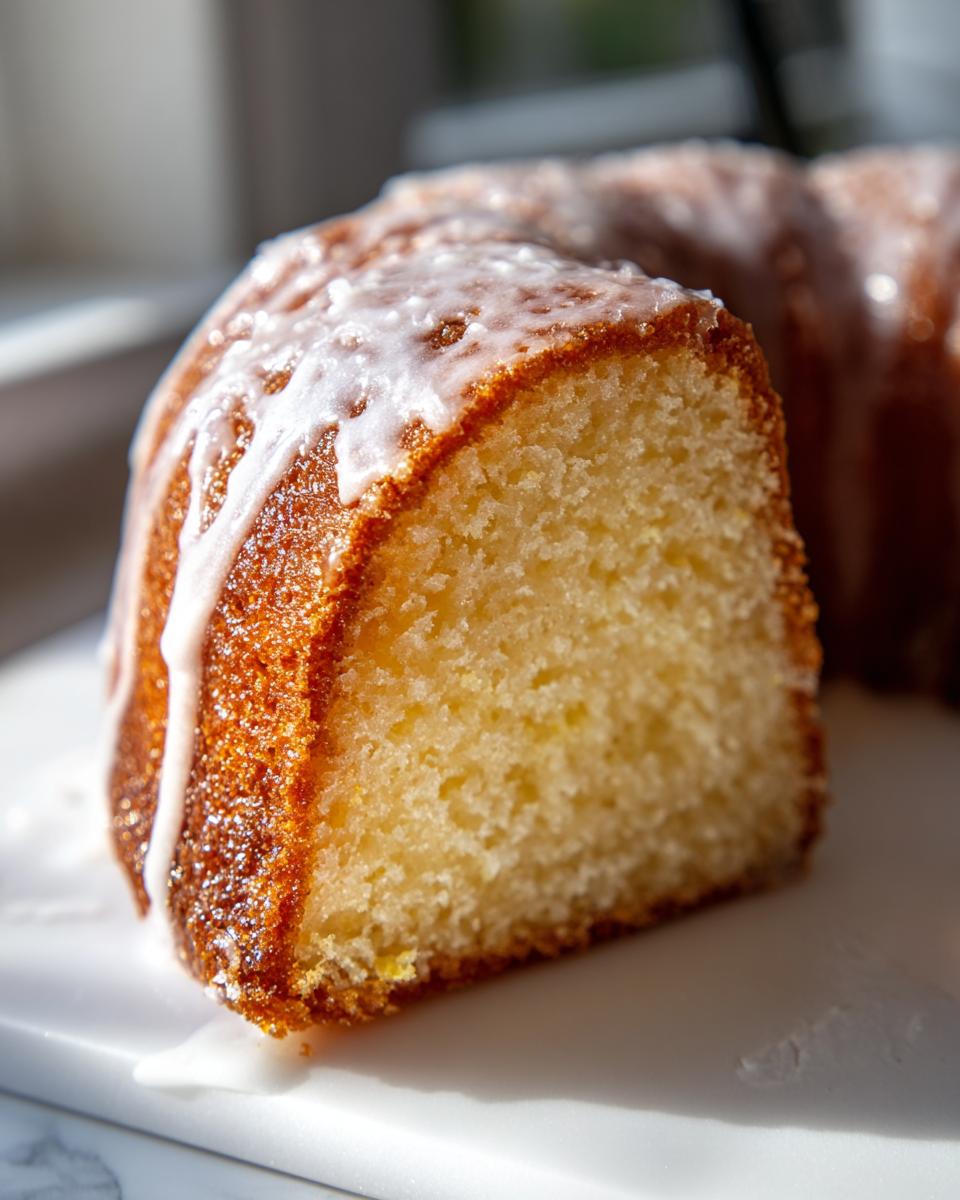
If you need it to last longer, say a week or two, this cake freezes incredibly well! Wrap individual slices tightly in plastic wrap, then pop them into a freezer-safe bag. When you get a craving, just let a slice thaw on the counter for an hour. If you’re curious about another loaf recipe that freezes well, check out my easy banana bread!
Frequently Asked Questions About Making a Bundt Cake
It happens to all of us—even with the best recipes! Baking is tricky, and sometimes you have questions pop up mid-mix. Don’t worry; I’ve gathered the ones I hear most often about getting that perfect vanilla Bundt Cake every single time. If you’re looking for other classic flavor combinations after mastering this one, my date and walnut cake is always a winner!
Why did my vanilla Bundt Cake stick to the pan?
Ugh, the dreaded stick! Almost every time this happens, it points to one of two things, or both. First, you didn’t grease and flour every single crevice of that intricate pan; you have to be merciless with the coating. Second, you may have left the cake in the pan too long to cool. It needs that 10 minutes to set up slightly, but after that, flip it out quickly. If it’s stubbornly stuck, gently turn the pan upside down on a cooling rack and just let gravity work for a few minutes!
Can I use a different size pan for this Bundt Cake?
You absolutely can, but you have to adjust your timing! This recipe is calibrated perfectly for a standard 10-cup pan. If you use a smaller pan, the batter will certainly overflow, which is a nightmare to clean up. If you use a larger pan, or perhaps two smaller loaf pans, you’ll need to check the cake sooner—sometimes 10 to 15 minutes less baking time. Always err on the side of checking early with a skewer, because it’s easier to bake a little longer than to save an over-baked, dry cake.
What is the best way to check if the Bundt Cake is done?
The wooden skewer test is your most reliable friend here. Poke it deep into the thickest part of the ring—usually somewhere between those decorative outer swirls. If it comes out with wet batter clinging to it, give it another 5 minutes and test again. For a perfectly baked ring, you want only a few moist crumbs attached, not shiny, wet batter. That means the inside is set but still tender. That’s how you know your Bundt Cake is ready to come out!
Nutritional Estimates for This Simple Bundt Cake
Now, I know what you’re thinking: this cake is made with butter and sugar, so it’s definitely a treat! And while you should absolutely enjoy every single bite of this delicious vanilla Bundt Cake, sometimes it’s helpful to have a general idea of what you’re eating, right?
I’ve run the numbers based on the ingredient list we used, and here are the estimates per serving size, which is one slice of this lovely cake. If you’re a stickler for tracking, remember these are just my best guesses!
The estimates below assume a standard serving size of one slice. Since we used quality butter and milk, the fat content is what you’d expect from a classic, moist cake recipe. If you substitute ingredients, these numbers are definitely going to shift around! And if you’re looking for other classics that pair well with a cup of coffee, you absolutely must try my cherry almond ricotta cake recipe next—it’s surprisingly light!
- Serving Size: 1 slice
- Calories: 350
- Fat: 18 grams
- Carbohydrates: 45 grams
- Protein: 5 grams
- Sugar: 30 grams
- Sodium: 150 milligrams
- Saturated Fat: 11 grams
- Unsaturated Fat: 7 grams
- Trans Fat: 0.5 grams
- Fiber: 1 gram
- Cholesterol: 75 milligrams
See? A perfect homemade treat! One slice and you’re set. Please just treat these numbers as a friendly guideline. I mean, the real nutritional value is the love you put into baking it, am I right? Enjoy knowing you made this beautiful Bundt Cake completely from scratch!
Share Your Simple Vanilla Bundt Cake Experience
Whew! I hope you’re getting that cake mix going right now! I absolutely want to hear how it turned out for you. Did your vanilla Bundt Cake release smoothly? Did you try the simple powdered sugar dusting or go for that easy glaze?
Please leave a rating just below in the comments section—it really helps other bakers! And if you snapped a picture of that gorgeous fluted beauty, tag me on social media so I can see your lovely work. If you have any follow-up questions about variations, feel free to send a message through my contact page!
Print
Simple Vanilla Bundt Cake
- Total Time: 75 min
- Yield: 12 servings 1x
- Diet: Vegetarian
Description
A straightforward recipe for a moist vanilla cake baked in a Bundt pan.
Ingredients
- 1 cup unsalted butter, softened
- 2 cups granulated sugar
- 4 large eggs
- 1 tablespoon vanilla extract
- 3 cups all-purpose flour
- 1 teaspoon baking powder
- 1/2 teaspoon salt
- 1 cup whole milk
Instructions
- Preheat your oven to 350 degrees F (175 degrees C). Grease and flour a 10-cup Bundt pan.
- In a large bowl, cream together the softened butter and sugar until light and fluffy.
- Beat in the eggs one at a time, mixing well after each addition. Stir in the vanilla extract.
- In a separate bowl, whisk together the flour, baking powder, and salt.
- Gradually add the dry ingredients to the wet ingredients, alternating with the milk. Mix until just combined; do not overmix.
- Pour the batter evenly into the prepared Bundt pan.
- Bake for 50 to 60 minutes, or until a wooden skewer inserted into the center comes out clean.
- Let the cake cool in the pan for 10 minutes before inverting it onto a wire rack to cool completely.
Notes
- For a simple glaze, mix 1 cup powdered sugar with 2-3 tablespoons of milk until smooth and drizzle over the cooled cake.
- Ensure all your ingredients, especially butter and eggs, are at room temperature for better mixing.
- Prep Time: 20 min
- Cook Time: 55 min
- Category: Dessert
- Method: Baking
- Cuisine: American
Nutrition
- Serving Size: 1 slice
- Calories: 350
- Sugar: 30
- Sodium: 150
- Fat: 18
- Saturated Fat: 11
- Unsaturated Fat: 7
- Trans Fat: 0.5
- Carbohydrates: 45
- Fiber: 1
- Protein: 5
- Cholesterol: 75
Keywords: Bundt Cake, vanilla cake, simple cake, pound cake, dessert