
Oh my gosh, are you ready for the easiest, most satisfying dinner you’ll make all week? I live for weeknight meals that taste gourmet but take less time than it takes to decide what to watch on TV. Seriously, I’ve perfected a few go-to seafood tricks over the years, and these quick Mahi Mahi Recipes are absolutely at the top of my list. Forget complicated marinades; we are just focusing on getting that perfect golden sear in under 15 minutes. When you need fast, flavorful seafood, trust me, these simple Mahi Mahi Recipes are your new weeknight hero!
Why This Pan-Seared Recipe Makes the Best Mahi Mahi Recipes
Honestly, the appeal of this dish is just its sheer speed and minimal effort! You get maximum flavor payoff for minimum fuss. I’ve linked up some other quick meals here if you need more inspiration, but this one is king.

- Golden crust that locks in all the moisture.
- Uses the simplest pantry staples.
- It’s ready before the kids even finish setting the table!
Quick Prep and Cook Times for Your Mahi Mahi Recipes
The total time is clocked in at just 13 minutes, which is fantastic. That breaks down to about 5 minutes of prep—mostly just slapping seasoning on the fish. Then, bam, 8 minutes in the pan and dinner is done! I whipped this up last Tuesday when I completely forgot to plan dinner, and we ate right on schedule. You never have to settle for bland fish just because you’re busy!
Essential Ingredients for Perfect Pan-Seared Mahi Mahi Recipes
Okay, this recipe proves you don’t need a massive grocery haul for amazing seafood. For two big servings, you only need two beautiful 6-ounce Mahi Mahi fillets to start. We’re keeping the seasoning classic: salt, pepper, and just a little garlic powder to wake everything up. Don’t forget that critical tablespoon of olive oil, which gets everything sizzling beautifully. The real star besides the fish, though, is the fresh lemon juice we hit it with right at the end.
Ingredient Clarity and Substitution Tips for Mahi Mahi Recipes
When you buy your fish, ask the counter staff if the fillets have been previously frozen, if possible. I always try to find fish that was frozen at sea and then thawed by the market; it tends to hold its texture better than fish thawed slowly at home. And listen, if you want to swap that tablespoon of olive oil for butter? Go for it! Butter gives a richer, nuttier flavor profile, which I sometimes use when I’m feeling fancy, not just busy. Just make sure your heat is perfect, or the butter might brown too fast.
Step-by-Step Instructions for Flavorful Mahi Mahi Recipes
Alright, this is where the magic happens, and I promise it’s so straightforward you’ll be shocked at the results. Before we even think about turning on the stove, you have to take care of those fillets. Grab some paper towels—and don’t be shy—you need to pat those Mahi Mahi pieces totally dry. Moisture is the enemy of a good sear!
Once they are dry, mix up your seasonings—salt, pepper, garlic powder—and give both sides a nice, even shower of flavor. Ready for the pan? You need a good, solid skillet, maybe something stainless steel or cast iron, and get that tablespoon of olive oil shimmering over medium-high heat. I mean it needs to be hot enough that you can almost see heat waves coming off it if you look fast!
Now, gently lay the fish down, away from you—we don’t want splatters! Then, you just let it be. I know it’s tempting to poke it, but don’t! If you’re making more than two servings, cook them in batches. Overcrowding cools the pan down too fast, and you end up steaming your lovely fish instead of searing it.
If you need a fantastic, zesty companion recipe, check out this lemon butter fish recipe for serving inspiration!
The Searing Technique: Achieving Golden-Brown Mahi Mahi Recipes
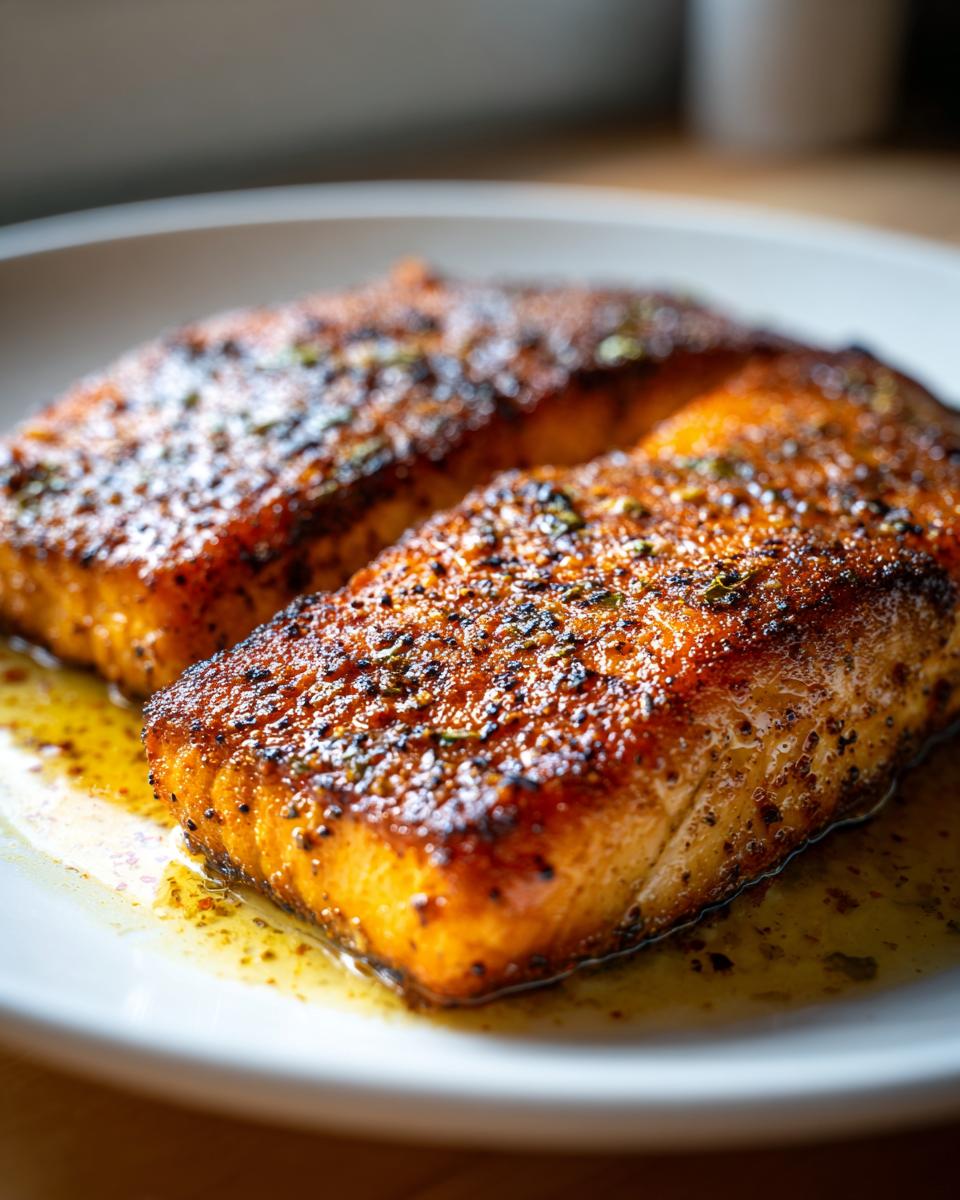
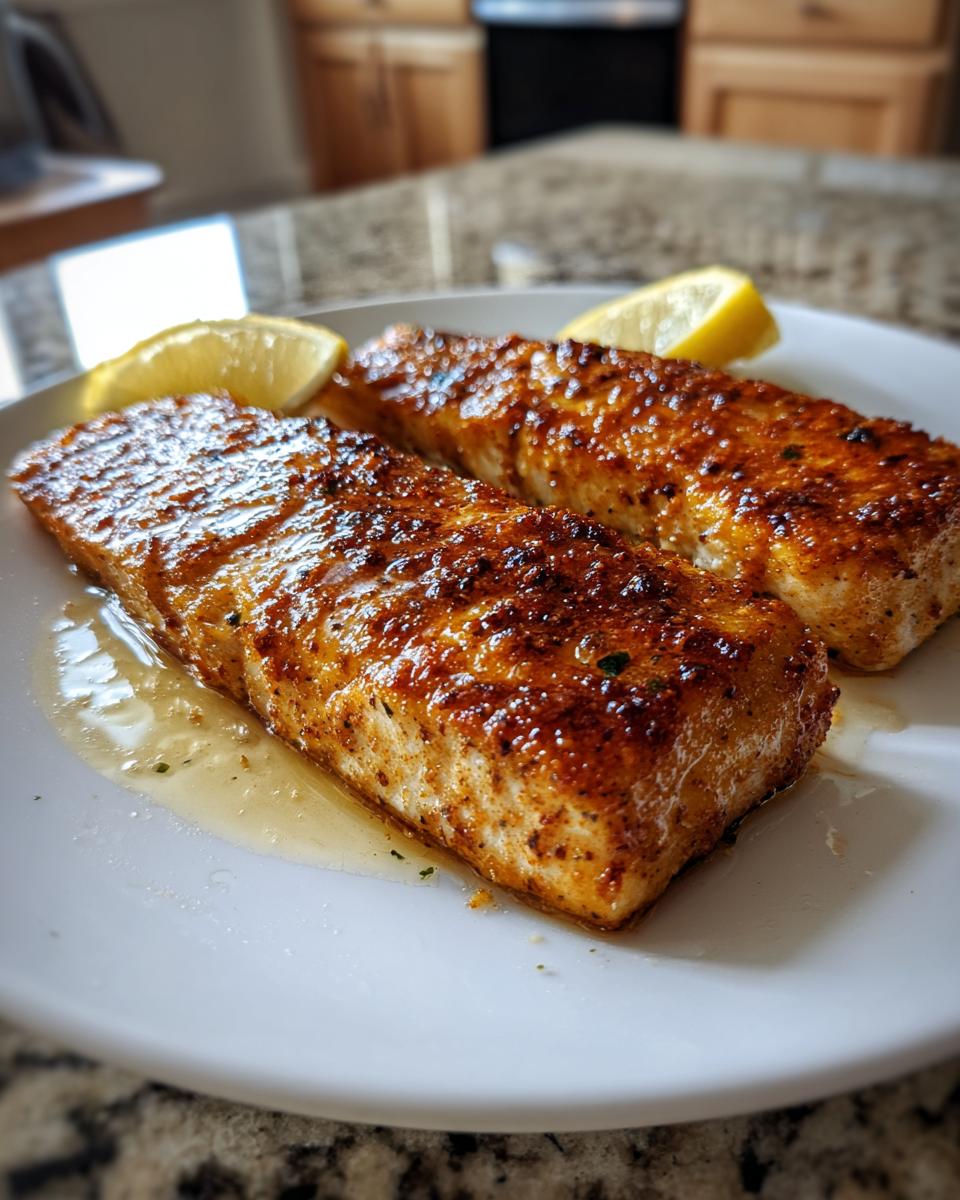
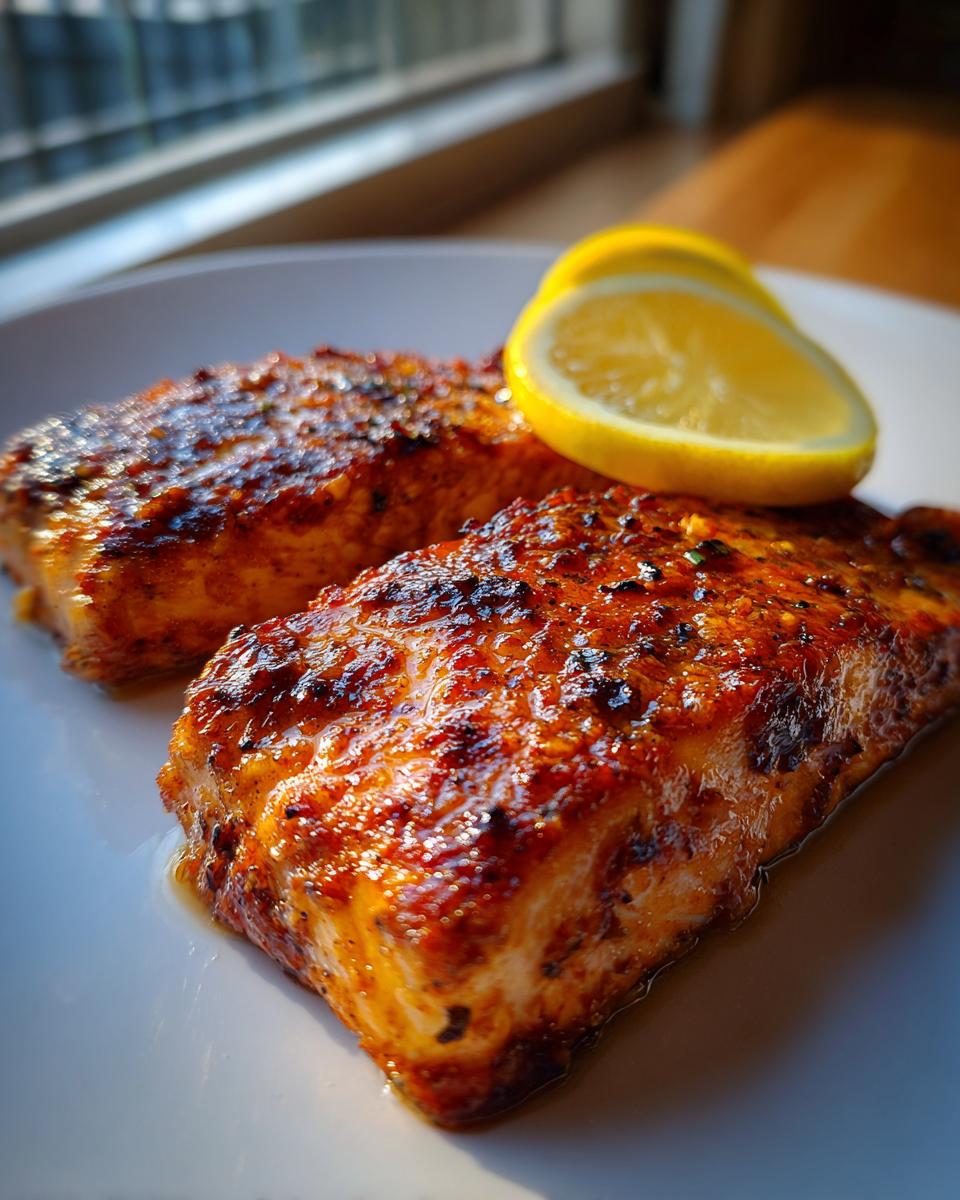
This is the most important part for great Mahi Mahi Recipes. You need that gorgeous golden crust! That means you let that pre-seasoned fillet sit undisturbed for a solid 3 to 4 minutes on that shimmering, medium-high heat. Why medium-high? Because we want a quick, hard sear—that’s what builds flavor and texture without drying out the middle. After that time, flip them gently. If it sticks, it isn’t ready yet; just give it another 30 seconds. The second side only needs another 3 to 4 minutes, tops, until the fish is completely opaque inside and flakes apart easily when you test it with a fork.
Finishing Touches for Your Pan-Seared Mahi Mahi Recipes
Once you see that lovely, flaky whiteness, immediately pull the whole skillet right off the burner. Don’t leave it sitting there or you’ll overcook it! Now is the time for flavor: take your fresh lemon juice and squeeze it all over the hot fish while it’s resting in the pan. The residual heat is just enough to warm the bright lemon flavor through without actually cooking the fish any further. That little bit of acid at the end really cuts through the richness of the oil and makes the fish sing!
Tips for Success When Making Any Mahi Mahi Recipes
If you take away one thing from all these Mahi Mahi Recipes, please let it be this: Do NOT overcook the fish! I cannot stress that enough. Mahi cooks unbelievably fast, and turning it tough is just heartbreaking when it was so close to perfect. That 3-4 minutes per side is almost always spot on for 6-ounce fillets, but really pay attention to the visual cues.
Here’s another little trick I use: when I flip the fish, I always give the pan a little gentle shake. If the fish slides easily, you’ve got a perfect crust and it’s ready for the next side. If it seems glued down, give it 20 more seconds. Also, since this fish is so lean, having something saucy or moist nearby helps keep things interesting. If you ever need a fantastic, rich, boozy pairing on the side (maybe for the cook, not the fish!), check out my absolute favorite espresso martini recipe!
Serving Suggestions to Complement Your Mahi Mahi Recipes
Since this pan-seared fish is so light, lean, and bright with all that lemon, you don’t want to weigh it down with heavy sides. I usually aim for something quick that balances the texture. Seriously, for a speedy weeknight meal, you can’t go wrong with a simple green!
My first go-to suggestion is always steamed asparagus tossed with a tiny drizzle of sesame oil and a sprinkle of sea salt. It cooks almost as fast as the fish, and the slight bitterness contrasts beautifully with the sweet, flaky Mahi. You can serve that right alongside your plate!
If you need something a bit heartier, I love making something starchy but manageable. You could try whipping up some quick couscous, but honestly, if you want a genuinely satisfying side that still feels fresh, you should check out these Southwestern Loaded Baked Potatoes. They bring a nice smoky, creamy element that makes the whole meal feel like a celebration, even though it only took you minutes to pull together!
Storage and Reheating for Leftover Mahi Mahi Recipes
Let’s be real, if you’re making these lightning-fast Mahi Mahi Recipes, you might have leftovers. Cooked fish doesn’t last as long as, say, a dense pound cake, so aim to eat any leftovers within two days. Store the fish snugly in an airtight container in the fridge. Don’t layer it with anything wet!
Here’s the critical part: Reheating. Please, for the love of perfectly cooked fish, do not microwave this stuff uncovered. It dries out instantly! I recommend eating it cold mixed into a quick salad the next day—it’s wonderful chilled with some fresh avocado.
If you absolutely must reheat, wrap the fillet tightly in foil with a tiny splash of water or lemon juice before popping it into a low oven (like 275°F) for about 10 minutes. That steam helps keep it tender. Trust me, cold or room temp is usually the best method for maximizing texture here!
Common Questions About Pan-Seared Mahi Mahi Recipes
Even though this recipe is super basic, I always get questions, especially from people who are nervous about cooking fish for the first time. That’s totally understandable—fish cooks fast and can go from perfect to ruined in about 30 seconds! But I promise, once you nail the timing on these Mahi Mahi Recipes, you’ll be making them once a week. Here are some of the things I hear most often from folks trying to master the sear.
How can I tell if my Mahi Mahi is fully cooked?
This is the biggest one! Forget timing exactly, because fillet thickness varies like crazy. The best sign is visual: the fish should turn completely opaque, meaning you can’t see any translucent, shiny pink spots in the center anymore. Once it looks white all the way through, gently poke it with a fork near the thickest part. If it flakes apart easily without huge effort, you’re golden. If it fights back even a little? Give it another 30 seconds. If you overcook it, those beautiful flakes turn dry and tough, and nobody wants that!
Can I use frozen Mahi Mahi fillets for these Mahi Mahi Recipes?
Yes, you absolutely can, but you have to give that fish a little respect first! Never, ever try to sear a fillet straight from the freezer—you’ll just end up with a burnt outside and an ice block in the middle. The safest way is to take the fillets out of the freezer and place them in the fridge the night before you plan to cook. That slow thaw is the gentlest way. If you’re in a huge rush, you can thaw them in a sealed plastic bag submerged in *cold* water, changing the water every 30 minutes. Once thawed, pat them super dry before seasoning, just like the recipe says!
What is the best pan to use for searing Mahi Mahi?
If you want that incredible golden crust that makes these Mahi Mahi Recipes so satisfying, you need a pan that holds heat well. I swear by my cast iron skillet. It gets screaming hot and stays hot when that cold fish hits the oil, which is essential for that immediate sear. A heavy-bottomed stainless steel pan works really well too!
Avoid non-stick if you can, because you generally can’t get the necessary high heat on them without worrying about damaging the coating, and you might not get that beautiful brown crust. If you end up with leftovers and want a side that’s also super simple, I always make a big batch of cold pasta salad to eat alongside the next day!
Nutritional Snapshot for This Simple Mahi Mahi Recipe
I know some folks track this stuff closely, so I wanted to give you the quick rundown on what you’re getting with a single serving of this lean fish. Since we aren’t adding heavy batters or sauces here, this recipe keeps things wonderfully light. Just remember, these numbers are estimates based on the ingredients listed—and I’m not counting the calories in that post-dinner glass of wine, oops!
For one fillet, you’re looking at roughly 250 calories, about 10 grams of fat, and a whopping 38 grams of protein! It’s tiny on carbs too, offering up maybe 1 gram. It’s a fantastic, clean meal that keeps you full for hours.
Share Your Experience with Our Mahi Mahi Recipes
Now that you’ve got the simplest, shiniest Mahi Mahi fillets on your plate, I absolutely have to know how it went! Did you manage to keep it under 15 minutes? What did you serve alongside it? I live for reading your success stories and seeing how you tweak things in your own kitchens. Don’t be shy!
I always encourage people to come back and drop their rating. If you absolutely loved how quick and flavorful this was, please give it a solid 5 stars! If you felt it needed more acid or heat, maybe you’ll bump it down to 4, but no less! We need that feedback so other home cooks know they can trust this fast meal.
You can leave a detailed note in the comments below or zip me a message directly if you’d rather keep your secrets private. You can reach out to me anytime over at my contact page here: Send me a note about your dinner! Happy cooking, and I hope this becomes a staple in your rotation!
Print
Simple Pan-Seared Mahi Mahi
- Total Time: 13 min
- Yield: 2 servings 1x
- Diet: Low Fat
Description
A quick recipe for searing Mahi Mahi fillets until golden brown.
Ingredients
- 2 Mahi Mahi fillets (about 6 oz each)
- 1 tablespoon olive oil
- 1 teaspoon salt
- 1/2 teaspoon black pepper
- 1/2 teaspoon garlic powder
- 1/4 cup fresh lemon juice
Instructions
- Pat the Mahi Mahi fillets dry with paper towels.
- Mix salt, pepper, and garlic powder in a small bowl. Sprinkle the mixture evenly over both sides of the fillets.
- Heat the olive oil in a large skillet over medium-high heat until shimmering.
- Carefully place the fillets in the hot skillet. Sear for 3 to 4 minutes per side, until the fish is opaque throughout and flakes easily with a fork.
- Remove the skillet from the heat. Squeeze fresh lemon juice over the cooked fish before serving.
Notes
- Do not overcook the fish; Mahi Mahi cooks quickly.
- You can substitute butter for olive oil for a richer flavor.
- Prep Time: 5 min
- Cook Time: 8 min
- Category: Dinner
- Method: Pan-Searing
- Cuisine: American
Nutrition
- Serving Size: 1 fillet
- Calories: 250
- Sugar: 0
- Sodium: 450
- Fat: 10
- Saturated Fat: 2
- Unsaturated Fat: 8
- Trans Fat: 0
- Carbohydrates: 1
- Fiber: 0
- Protein: 38
- Cholesterol: 90
Keywords: Mahi Mahi, pan-seared, fish, quick dinner, seafood