
You know those nights? You want something that isn’t heavy, tastes ridiculously fresh, and doesn’t involve scrubbing pans for an hour? That’s why learning how to cook flounder right is key. Forget complicated sauces! I swear, mastering simple baked **Flounder Recipes** changed my weeknight routine completely because cleanup takes five minutes. This specific baked fillet preparation—so tangy with lemon and those herbs—is my signature move when I need a healthy dinner on the table fast. It absolutely nails that perfect, flaky texture without drying out, and honestly, it tastes way fancier than the 25 minutes it takes!
Why You Will Make These Simple Baked Flounder Recipes Often
Look, I get it—sometimes you think seafood is complicated. But this recipe proves you wrong! It’s my go-to when I’m feeling lazy but still want something genuinely good for us. Seriously, it’s hard to beat this combination of speed and great flavor.
- It’s lightning fast—we’re talking done and on your plate in under 30 minutes total!
- Cleanup is basically a dream because everything cooks in just one baking dish. Wash one thing? Yes, please!
- The flavor profile is so light and fresh. Lemon and herbs lift the delicate fish perfectly.
- For anyone who gets nervous cooking fish, this method is foolproof. It’s the best entry point into making easy **Flounder Recipes**!
Essential Ingredients for Perfect Baked Flounder Recipes
The beauty of this dish is that it relies on really great, simple pantry staples. You don’t need anything wild or fancy, which keeps the prep time down to almost nothing—maybe ten minutes if you’re slow chopping garlic! Getting the measurements right ensures the fish steams perfectly, not dries out.
- Four flounder fillets, about 6 ounces each—try to get them relatively the same thickness!
- Two tablespoons of good olive oil. Don’t skimp here; the oil helps keep the moisture locked in.
- One whole lemon, sliced super thin. You want those little rounds to lay flat on top.
- Two cloves of garlic, minced finely. I usually aim for a super fine mince so the flavor spreads out.
- One teaspoon of dried parsley.
- Half a teaspoon of dried thyme.
- Salt to taste, which for me means about half a teaspoon initially.
- Black pepper, freshly ground is always better, trust me.

Ingredient Notes and Substitutions for Flounder Recipes
Now, about those herbs! Dried herbs are quick, but if you have fresh on hand, go for it. Remember the rule of thumb: you generally need about three times the amount of fresh herbs to equal the strength of the dried ones. So, a teaspoon of dried thyme becomes about three teaspoons of chopped fresh thyme.
If you can’t find flounder—oof, that happens sometimes!—this bright, lemony method works wonderfully with almost any other mild white fish, like cod or tilapia. Just watch your cooking time closely since different types of fish have slightly different densities.
Step-by-Step Instructions for Simple Baked Flounder Recipes
Okay, this is the easy part! You really just layer and bake, but timing is everything, especially with delicate fish like flounder. First things first: get that oven heated up to 400 degrees Fahrenheit. Seriously, don’t put the fish in a cold oven; we want that immediate heat to start sealing in the moisture. Lightly grease whatever baking dish you’re using—I usually just grab whatever 9×13 glass dish is clean!
Next, lay those beautiful fillets down in a single layer. Drizzle that olive oil over everything, and then get busy with the seasonings: garlic, thyme, parsley, salt, and pepper. Make sure every piece gets a little love. Then, dot the top of each fillet with one or two of those thin lemon slices. They look pretty, and they steam those essential oils right into the fish while baking.
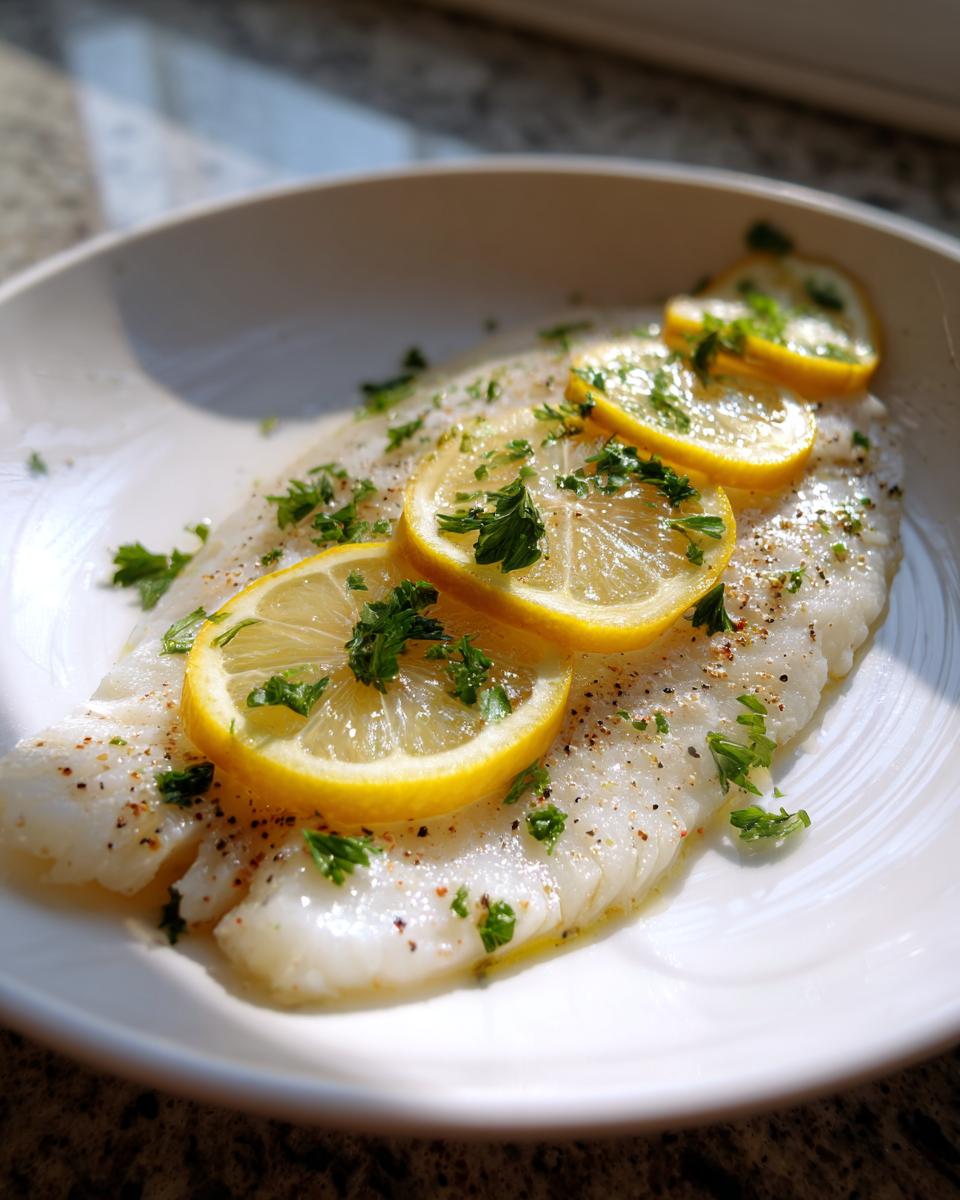
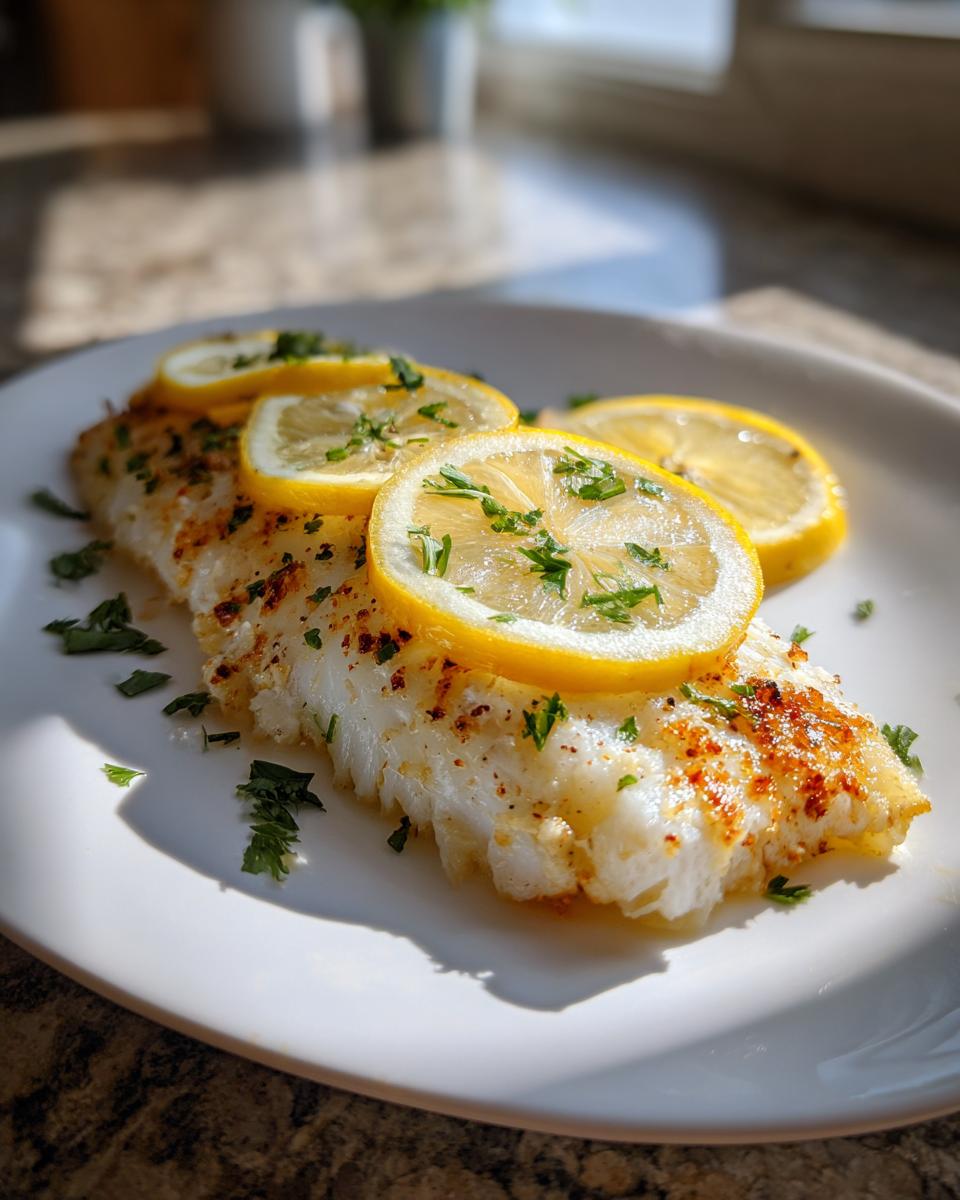
Slide it into the hot oven for 12 to 15 minutes. But here’s my real trick for knowing it’s done—don’t just rely on the fork test! If you have a quick-read thermometer, you’re looking for the internal temperature to hit about 145 degrees Fahrenheit right in the thickest part. If you don’t have one, look closely; when it’s ready, the fish will look opaque all the way through and flake tenderly when you gently press it. If you want to see another amazing way to use lemon in savory cooking, check out these Zesty Parmesan Lemon Chicken Skewers.
Expert Tips for Baking Flounder Recipes
The biggest worry people have is the fish sticking, which totally ruins the presentation! If you’re worried, don’t layer the fish directly onto the glass dish; try lining the bottom with a piece of parchment paper first, even though the olive oil usually does the trick. Another bit of magic I sometimes pull out is adding a tiny splash of dry white wine around the edges of the pan before it goes in. It just creates a little steamy environment that keeps the fish unbelievably tender!
Serving Suggestions for Your Baked Flounder Recipes
So, you’ve pulled this perfect, flaky flounder out of the oven. Fantastic! Now you need something simple to put next to it so you can keep that dinner prep time low. Since the fish is so light and bright with the lemon and herbs, you don’t want to weigh it down with anything too heavy or creamy. I usually lean toward things that roast up quickly alongside the fish, or maybe something cold and crunchy.
Roasted asparagus spears tossed with just salt and pepper are a classic pairing—seriously, they take about the same 15 minutes to cook time. If you want something with a bit more crunch and tang, I absolutely love pairing this with a bright, zesty salad. You’ve got to check out the recipe for the Street Corn Fiesta Salad if you want a side that pops with flavor!
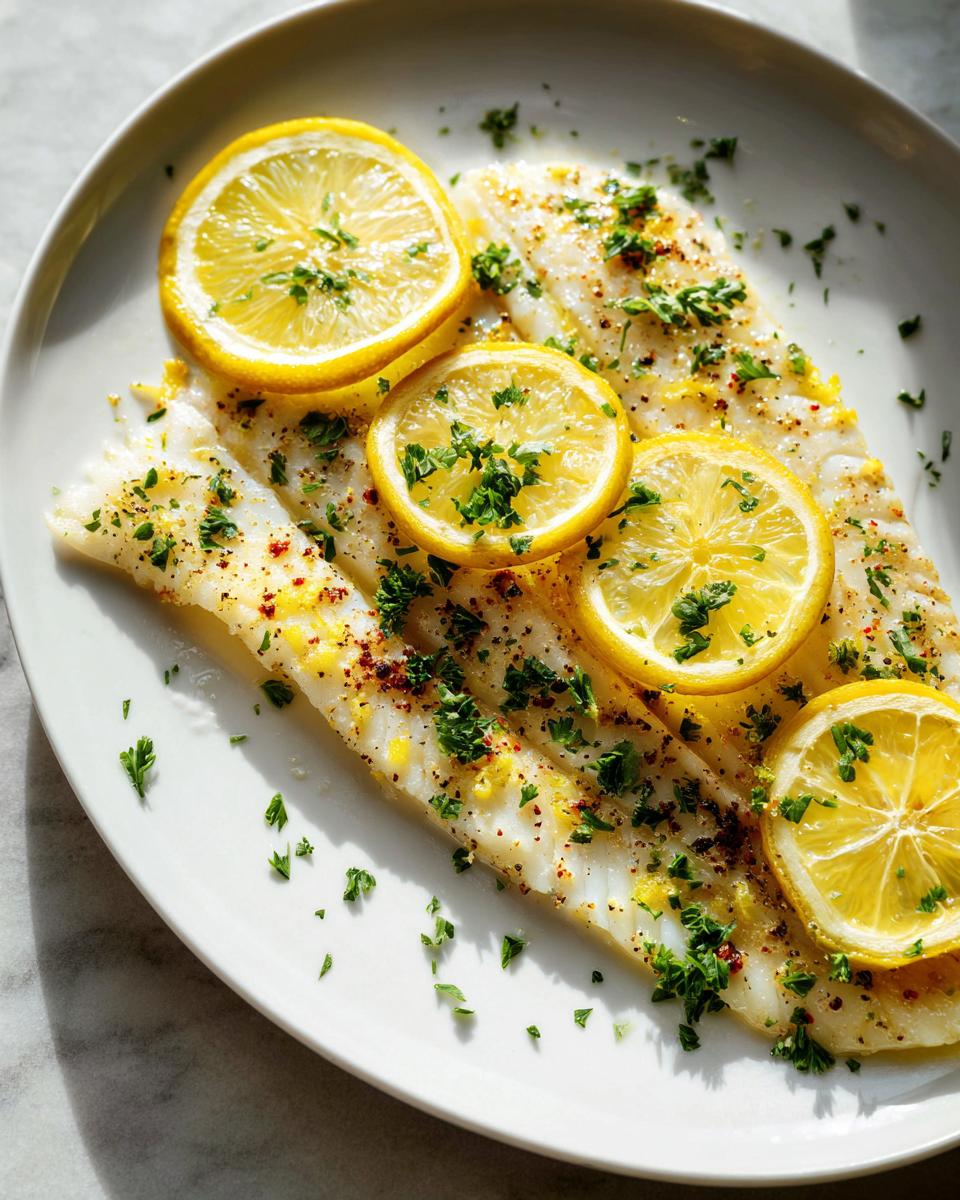
If we’re having a lazy night, a side of quick-steamed green beans or a simple mix of cherry tomatoes tossed with balsamic vinegar works perfectly. The goal is just to keep it fresh so that delicate flounder flavor is the star.
Storage and Reheating Best Practices for Flounder Recipes
Look, this flounder is almost always gobbled up immediately because it smells so good, but if you do have leftovers, handling them right is crucial because delicate fish can go downhill fast. Always store any leftovers in a tightly sealed, airtight container in the fridge—don’t leave it sitting out, even for an hour!
When it comes to reheating, you want gentle heat only. The microwave is your enemy here unless you use it on a super low power setting for just 30 seconds at a time. My favorite method is wrapping the leftover fillet tightly in foil and placing that foil packet in a very low oven—like 250 degrees—for about 10 minutes. That little bit of steam keeps the fish from getting dry and rubbery. It works like a charm!
Troubleshooting Common Issues with Baked Flounder Recipes
Even with super simple recipes, sometimes things go a little sideways, right? Don’t panic if your first attempt at baked flounder has a hiccup. I’ve certainly learned a few fixes over the years, and sharing these little tips is how we all get better at cooking seafood!
If your fillets grabbed onto the baking dish like they decided to stay—ugh! That means you didn’t use enough fat or didn’t pre-grease thoroughly. Next time, use the cake goop method, or just be generous with the olive oil, making sure it coats every bit of the pan surface before the fish even goes near it.
The worst thing is dried-out fish. If that happens, you cooked it too long, plain and simple. Flounder cooks fast! If you pull it out and it seems underdone in the middle, try tenting the baking dish loosely with foil and popping it back in for just three or four more minutes. That traps the radiant heat and finishes it without torching the edges.
Frequently Asked Questions About Flounder Recipes
I get so many wonderful questions about adjusting this dish, especially when people want to try it with different kinds of fish! Here are some of the things I hear most often when folks are trying out my simple baked flounder version of **flounder recipes**.
How can I tell if my flounder fillets are really fresh?
This is the most important question when it comes to any seafood recipe! When you’re at the market, fresh flounder should look translucent and shiny—never dull or milky. It should also smell like the ocean, clean and briny, not “fishy” at all. If you press the fillet gently, it should spring right back. If it stays dented, pass on that batch!
What happens if my fillets are suddenly much thicker than standard?
Oh, that’s annoying when presentation matters! If your fillets are a big difference in thickness—say, one is half an inch and another is a full inch—you need to either pound the thicker parts slightly with a meat mallet until they’re uniform, or you’ll have to stagger your timing. Put the thicker pieces in first for about 4 minutes before adding the thinner ones. Otherwise, the thin ones will be tough by the time the thick ones are cooked through.
Can I successfully use this lemon herb method for Tilapia or Cod?
Absolutely, yes! This whole lemon and herb setup is brilliant for basically any mild white fish. Cod and Tilapia will work great. Just remember that they might cook slightly faster or slower than flounder, depending on how dense they are. Always err on the side of undercooking slightly, then use the fork test. If you have more questions or just want to shout out how great your dinner turned out, feel free to reach out on my contact page!
Estimated Nutrition for Simple Baked Flounder Recipes
I know so many of you track macros or calories when you’re eating seafood, and that’s smart! Since this is such a clean and simple recipe, the numbers are great. Based on the ingredients listed, we are looking at around 220 calories per fillet.
It’s packed with protein too—about 30 grams! You’ll get about 10 grams of fat and only 2 grams of carbs. The sodium clocks in around 150mg. Just remember, these are just my best estimates for one serving, so they can drift a little depending on the exact size of your fish and how much salt you decide to sprinkle on top!
Share Your Simple Baked Flounder Recipes Experience
So, there you have it! That’s my absolute favorite way to get delicious, healthy seafood on the table without breaking a sweat. I really, truly hope you love how light and easy these simple baked **Flounder Recipes** turn out for you.
When you try this out tonight, please come back and let me know how your fillets cooked up! Did you add a little extra garlic? Were you able to use fresh herbs? Drop your rating and any tips you discovered down in the comments below—it helps other cooks, and I love hearing from you!
Print
Simple Baked Flounder Fillets
- Total Time: 25 min
- Yield: 4 servings 1x
- Diet: Low Fat
Description
A quick and easy recipe for baking flounder fillets with lemon and herbs.
Ingredients
- 4 flounder fillets (about 6 oz each)
- 2 tablespoons olive oil
- 1 lemon, thinly sliced
- 2 cloves garlic, minced
- 1 teaspoon dried parsley
- 1/2 teaspoon dried thyme
- Salt to taste
- Black pepper to taste
Instructions
- Preheat your oven to 400 degrees Fahrenheit (200 degrees Celsius). Lightly grease a baking dish.
- Place the flounder fillets in the prepared baking dish.
- Drizzle the olive oil evenly over the fillets.
- Sprinkle the minced garlic, parsley, thyme, salt, and pepper over the fish.
- Top each fillet with a few lemon slices.
- Bake for 12 to 15 minutes, or until the fish flakes easily with a fork.
- Serve immediately.
Notes
- You can substitute fresh herbs for dried herbs, using about three times the amount.
- For added flavor, you can add a splash of white wine to the bottom of the baking dish before baking.
- Prep Time: 10 min
- Cook Time: 15 min
- Category: Dinner
- Method: Baking
- Cuisine: American
Nutrition
- Serving Size: 1 fillet
- Calories: 220
- Sugar: 1
- Sodium: 150
- Fat: 10
- Saturated Fat: 2
- Unsaturated Fat: 8
- Trans Fat: 0
- Carbohydrates: 2
- Fiber: 0
- Protein: 30
- Cholesterol: 75
Keywords: flounder, baked fish, lemon herb, simple seafood, quick dinner