
Oh my gosh, the holidays are officially here! You can smell the nutmeg and pine needles everywhere, which means only one thing: it’s time to make candy until my arms ache. Forget those massive cookie platters for a second; the true star of my Christmas Eve always has to be the Classic Christmas Toffee. Seriously, this is the only recipe you’ll ever need for that perfect, buttery snap that melts way too fast in your mouth.
I started making this when I was just learning to bake, and honestly, it intimidates everyone who hasn’t tried it. But trust me, the process is sneaky simple! I used to spend days packaging up these shiny, amber pieces in little cellophane bags to hand out to neighbors and teachers. The reaction you get when someone bites into that rich, crackly toffee? Priceless. This recipe gives you that incredible hard candy texture without all the fuss.
It’s rich, it snaps just right, and the best part? It only takes about 30 minutes of active time. Anyone can master this spectacular Classic Christmas Toffee!

Why This Classic Christmas Toffee Recipe Works (Expert Tips)
Making hard candy, especially something as beloved as Classic Christmas Toffee, can feel like you need a chemistry degree, but it really boils down to two major things: temperature control and not messing with the mixture when it’s boiling. If you follow these two rules, you’ll be golden, or should I say, perfectly amber colored!
The reason this recipe is so reliable is because we are shooting for the “hard crack” stage. This specific temperature is where the sugar syrup is completely cooked and will harden into that satisfying, brittle snap we all love. Don’t worry if you see other sites suggest slight variations; for this perfect butter toffee texture, 300°F is our magic number. We want rich color, but if we push it too far, things go south fast.
Also, it’s important to remember that once that mixture gets going, like when you are making any good caramel toffee cake, you have to trust the process completely.
Achieving the Perfect Hard Crack Stage for Classic Christmas Toffee
That 300°F mark is non-negotiable for this Classic Christmas Toffee. You must use a candy thermometer, and please, place it so the tip is suspended in the mixture—don’t let it rest on the bottom of the pan where it can read hotter than the actual sugar! Once the boil starts, you absolutely cannot stir it. Stirring introduces air bubbles, which causes crystallization, and that’s how you end up with grainy sugar instead of smooth, shiny toffee.
Ingredient Clarity for Optimal Results
For the very best outcome, you need to set yourself up for success before you even turn on the burner. That’s why I insist on using a light-colored, heavy-bottomed saucepan. Heavy bottoms distribute heat evenly so you don’t get hot spots burning the butter, and light interiors let you watch for that perfect golden-brown color change. Also, be sure you’re using light corn syrup—dark syrup can mess with the final color and flavor profile of the candy base.
Ingredients Needed for Classic Christmas Toffee
Okay, so here is the little pile of magic you need on your counter before you start. This list looks short, and honestly, that’s part of what makes this candy so great—it lets the quality of the butter shine through! Remember, we are aiming for results, so don’t try to swap out the core items here.
You’ll need to have everything measured out and ready to go, because once you start cooking, things happen fast. You need about 10 minutes of prep time to get this organized:
- 1 cup (which is two full sticks) of unsalted butter. Make sure it’s room temperature or just softened.
- 2 full cups of white granulated sugar. Yes, two cups—it’s candy!
- 1 cup of light corn syrup. This is crucial for keeping your toffee from going grainy.
- 1 teaspoon of pure vanilla extract.
- 1/2 teaspoon of baking soda, measured out and ready to go.
- If you’re feeling fancy, 1 cup of nuts that have been roughly chopped. Pecans or walnuts are my favorites for crunch!
Step-by-Step Instructions: Making Your Classic Christmas Toffee
Ready? This is where the fun begins! We have about 10 minutes of prep time, and then roughly 20 frantic, yet exciting, minutes of cooking time to produce this amazing batch of Classic Christmas Toffee. Just stay calm, keep your eye on that thermometer, and don’t panic when the sizzling starts!
Preparation and Initial Cooking of the Classic Christmas Toffee Base
First things first: get your stage set up! Line a big 15×10 inch baking sheet with parchment paper or a silicone mat. I always give the paper a very light brushing of vegetable oil—just a whisper! This ensures absolutely no sticking. Now, grab your heavy-bottomed pot and combine the butter, sugar, and corn syrup.
Place that pot over medium heat and stir everything together constantly until the butter is totally melted and the sugar grains feel like they’ve dissolved against the bottom of the pan. Once it’s smooth, attach your candy thermometer securely. Now for the scary part: bring the entire mixture up to a rolling boil, but—and this is key—do not stir it! You want to avoid crystallization here. Keep watching that thermometer climb up toward the goal for the perfect Classic Christmas Toffee. If you love other holiday favorites like Caramel Ritz Cracker Christmas Cookies, you know how important texture is—this is no different!
Reaching Hard Crack and Final Additions
You have to keep the heat steady until the thermometer screams 300 degrees Fahrenheit—that’s the hard crack stage we need. This usually takes about 15 to 20 minutes, depending on your stove. The second, and I mean the *second*, you hit 300°F, yank that pan right off the heat source immediately! You don’t want it cooking a moment longer.
As soon as it’s off the heat, add your vanilla extract and that half-teaspoon of baking soda. Watch out! The entire mixture will foam up dramatically—it practically doubles in volume, which is the baking soda making its final contribution to the texture. If you’re adding nuts, stir those right in now, quickly but gently.
Pouring and Cooling the Classic Christmas Toffee
Work fast here! Pour that glorious, foamy liquid right onto your prepared sheet pan. Now, gently spread it thin using a heatproof spatula—be careful not to scrape up too much of the browned sugar stuck to the bottom of the pot, because that stuff can sometimes taste a little burnt and ruin the flavor of the spread-out Classic Christmas Toffee.
Let it sit completely undisturbed at room temperature for at least an hour until it’s rock hard. Once it’s totally cooled and stubborn, you just flip the whole thing out and break it into random, irresistible pieces. That’s it! You just made homemade candy!
Finishing Touches: Chocolate Dipping for Your Classic Christmas Toffee
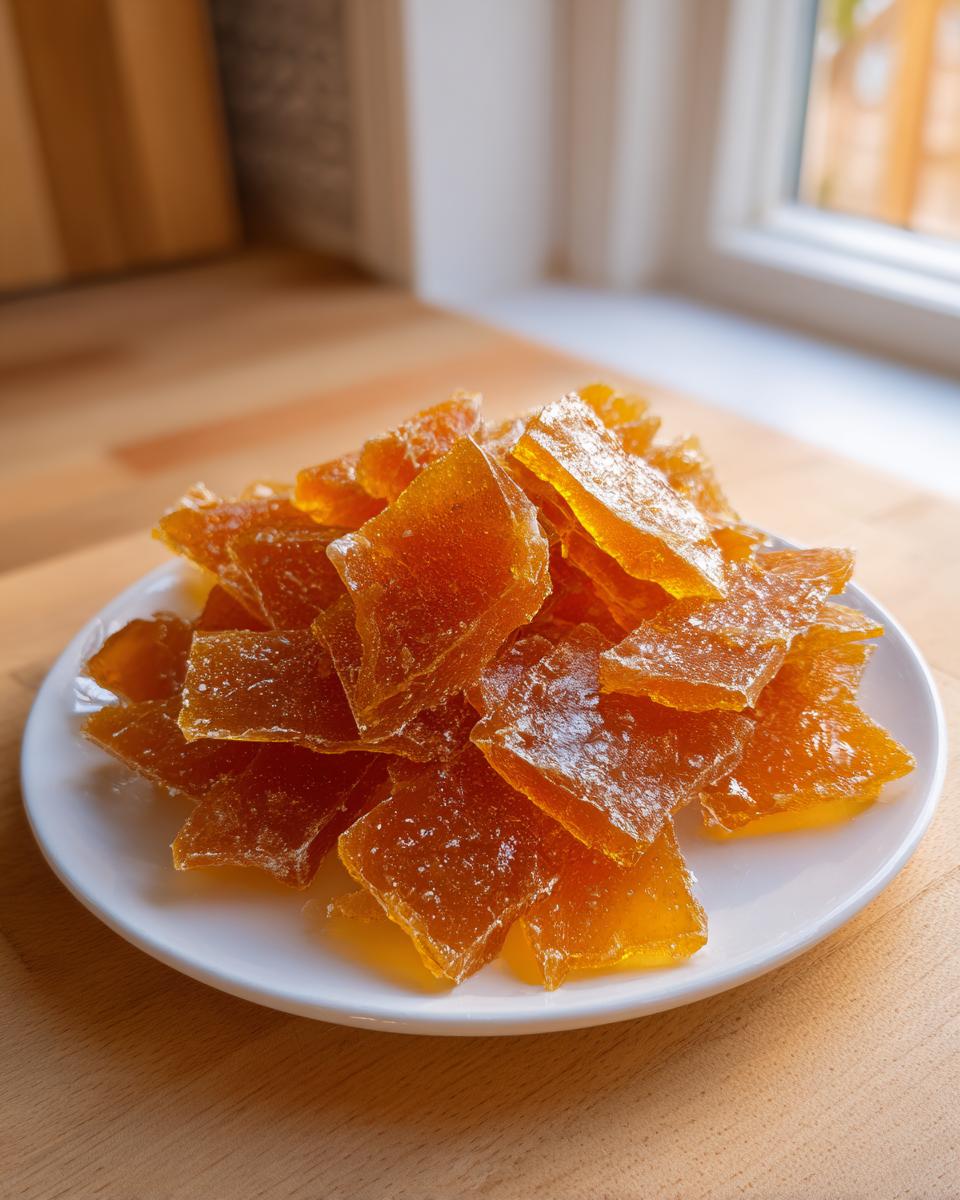
Once your toffee pieces are cracked and look like beautiful little amber jewels, it’s time for the optional, but highly encouraged, upgrade! I usually dip about half of my Classic Christmas Toffee batches in chocolate. It just makes them look so much more professional and giftable, you know?
If you want that beautiful, shiny coating that doesn’t streak or smudge later in the box, you need smooth chocolate. You can melt good quality chocolate chips or chopped baking chocolate gently in the microwave, using short 30-second bursts and stirring in between to prevent burning. But, if you really want that snappy look, try to temper it! Tempering just means controlling the temperature of the chocolate so that when it cools, it sets hard and shiny instead of turning dull gray. You don’t need to get super technical, just melt it slowly and don’t let it get too hot.
Once the chocolate is ready—and I usually dip mine just halfway—let it cool on a piece of fresh parchment paper. If you’re using my favorite trick from my Christmas brownies recipe, I like to sprinkle some extra crushed rosemary or sea salt on the wet chocolate right before it sets for a gourmet flavor kick. These extra fancy bits make your Classic Christmas Toffee feel extra special!
Tips for Success When Making Classic Christmas Toffee
Even though I’ve told you all my secrets for getting that perfect snap, I know candy can be tricky. It’s that delicate balance between cooked enough and burned! To help you avoid that frustrating grainy texture that ruins the whole batch, I want to share a few crucial little notes that Grandma used to write in the margins of her recipe card.
Honestly, your choice of cookware makes a really big difference here. Remember how I mentioned using a light-colored pot? That’s not just for looks! This candy goes from golden brown to dark brown very quickly, and you won’t be able to accurately judge the color if you are using a dark, heavy pot—you’ll end up judging by the heat underneath, not the syrup itself. You need to be able to *see* the color change clearly.
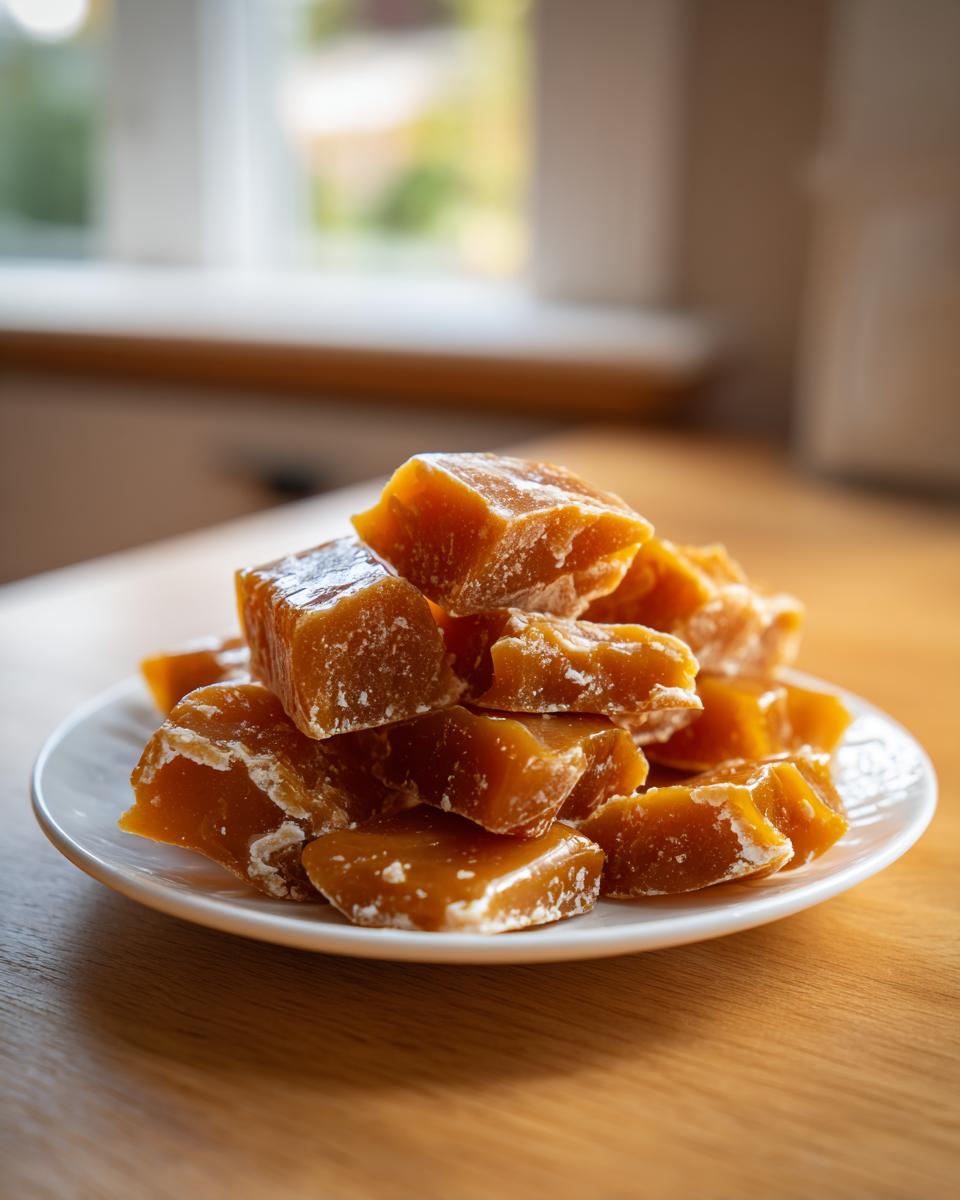
The absolute biggest thing to watch out for is overcooking. If you let that mixture sit on the heat for even a minute too long past 300°F, you risk the sugar molecules seizing up and turning into sugar crystals instead of smooth syrup. That’s what gives you that horrible sandy mouthfeel. Pull it the second the thermometer reads 300°F, no matter what!
And when it comes to storage, keep it simple! Don’t try to refrigerate this hard candy. Just put the nice, broken pieces into a really good airtight container—I mean the kind that seals tight—and keep it in a cool, dark place like your pantry. Since it’s purely sugar and fat, it lasts for ages at room temperature, making it perfect for leaving out on the counter during the holidays when everyone is coming and going.
Storage and Gifting Your Classic Christmas Toffee
Once you’ve got those beautiful, crisp pieces of Classic Christmas Toffee, you might be tempted to eat them all right there, but resisting that urge is important if you plan on gifting them! The good news is, this candy is fantastic for homemade holiday gifts because it’s so stable and lasts a ridiculously long time.
The most important rule for storage is to keep it dry and sealed. You want to store the finished toffee in either an airtight container or a heavy-duty zip-top bag. Make sure you press out as much air as you can before sealing it up. We want to keep humidity out at all costs, because moisture is the enemy of crisp candy—it makes toffee sticky and soft, and nobody wants sticky Classic Christmas Toffee!
Keep that container in a cool spot, like a dark pantry or cupboard, and absolutely keep it away from the oven if you’re running it nonstop for holiday baking. Room temperature is perfect for this butter toffee. It will easily last for several weeks, which gives you plenty of time to prepare your holiday treat boxes!
For gifting, presentation really matters! You don’t want the pieces sticking together in the box. If you dipped them in chocolate, make sure the chocolate is completely set, or you’ll have a gooey mess. I like layering sheets of cellophane or wax paper between the layers of toffee pieces inside decorative tins. Adding a little handwritten tag with a reminder about the rich flavor, perhaps even referencing other great handmadeChristmas truffles you’ve made, makes the gift so much more personal. Everyone loves getting homemade Classic Christmas Toffee in their stocking!
Variations on Classic Christmas Toffee
While the original recipe is just divine—that perfect snap of butter and sugar—sometimes you need to change things up, especially when you’re making huge batches for neighbors who all have different tastes! I love playing with this recipe because it’s so forgiving. If you’ve mastered the base, these little tweaks make it seem like you whipped up three totally different recipes!
The easiest way to switch things up is definitely with the coating after it cools. If milk or dark chocolate isn’t everyone’s jam, try using white confectionery coating. It sets up beautifully, and it gives you a really smooth base to work with. If you melt white chocolate and then drizzle it thinly over the cooled toffee, you get this gorgeous, pale contrast to the amber underneath.
Peppermint Twists for a Cooler Flavor Profile
For my family, who loves anything peppermint around the holidays, this is a must-do! Instead of stirring in chopped nuts during the very last step when the mixture foams up, skip the nuts completely. Instead, stir in about half a teaspoon of pure peppermint extract right along with the vanilla.
It’s potent stuff, so start small! You want that cool blast of mint mingling with the rich butter. If you want to dip the final pieces—or even drizzle the peppermint version in dark chocolate—you can crush up some candy canes. Just dump them in a Ziploc bag and smack them hard with a rolling pin until you get nice little shards. Sprinkle those shards over the chocolate while it’s still wet. It looks so festive!
Sea Salt Finishes for Savory Contrast
Okay, this is my absolute favorite trick for making a “grown-up” version. If you decide *not* to dip the toffee in chocolate, or maybe you are just using a very light coating, grab some flaky sea salt—not that fine table salt! Flaky sea salt, like Maldon, is perfect.
Right after you pour the hot toffee onto what I call my “candy canvas” (the prepared baking sheet), just grab a pinch of the flaky salt and gently sprinkle it over the entire surface. You want just enough to catch the light. That tiny bit of salinity cuts through the intense sweetness of the sugar and butter so perfectly. It really elevates the whole experience!
Using Different Mix-Ins
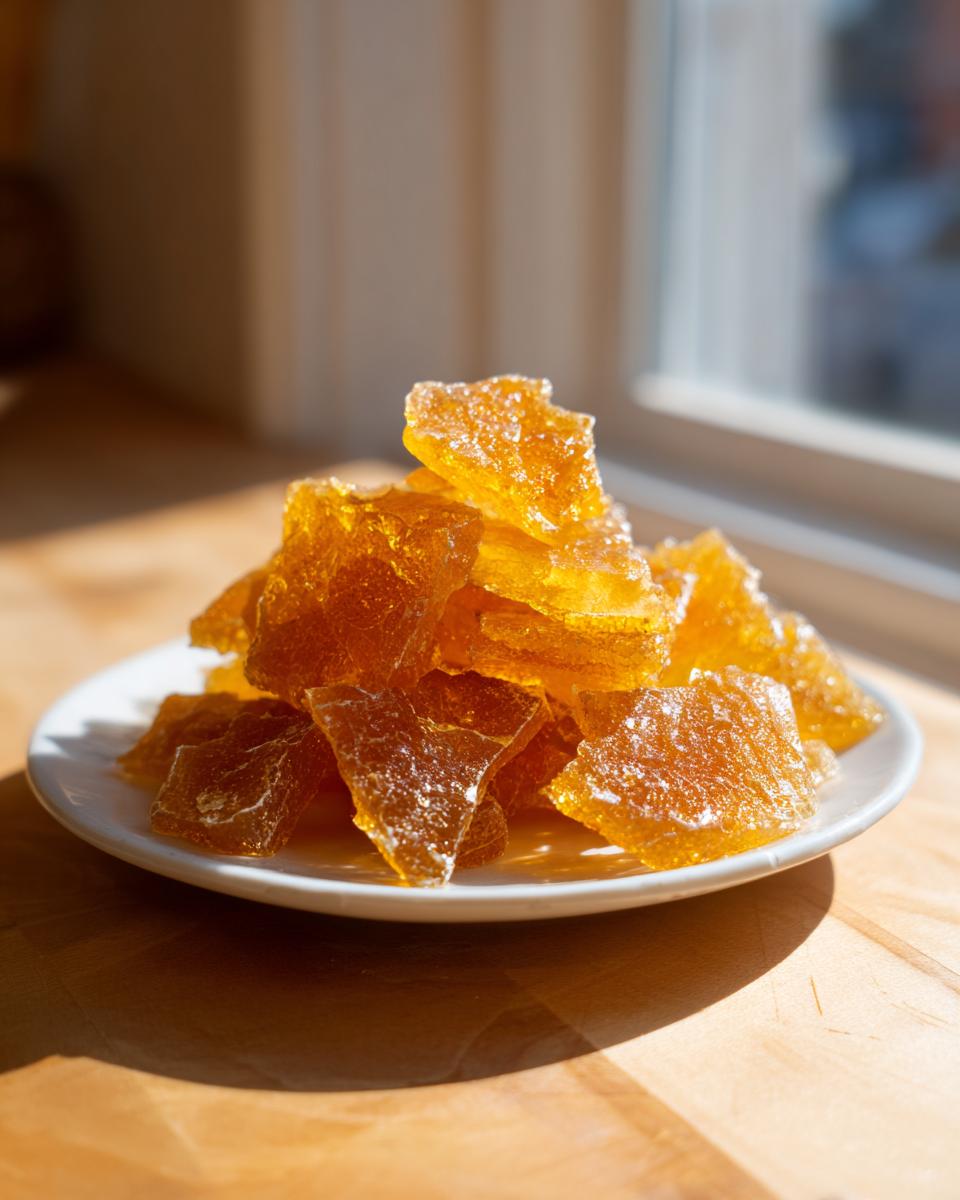
If you’re not a fan of nuts, or if you have allergies to deal with, you can totally improvise here. Other great things to stir in right at the end (when you add the baking soda) are things like finely shredded coconut, or if you want something a little more unique, try tossing in some crystallized ginger that’s been chopped tiny.
Chopped dried cherries work beautifully too, giving you little pops of color and chewiness. Just make sure whatever you add is dry before tossing it in. If you add anything too moist, it can interfere with the final hardening of the candy.
Frequently Asked Questions About Classic Christmas Toffee
I always get tons of questions when I post this recipe for Classic Christmas Toffee because, let’s be honest, making candy sounds scary! But don’t you worry. Most problems just come down to one small step being missed. Here are the things I hear most often from folks making their first batch of this holiday brittle.
Can I make Classic Christmas Toffee without a candy thermometer?
Oh, bless your heart! I really, *really* advise against it, but I get it—not everyone has a thermometer sitting around. If you absolutely cannot use one, you are going completely by feel and timing, which is risky for the hard crack stage. If you have to try it, you’ll need the cold water test.
Here’s the trick: Take a small, clear glass of ice water and keep it next to your stove. When you think the mixture is close to 300°F, carefully drop about a half-teaspoon of the hot syrup into the cold water. If it forms a hard, brittle thread that snaps immediately when you bend it, it’s done! If it still bends softly or feels chewy, it’s not there yet. But seriously, for perfect Classic Christmas Toffee, just grab an inexpensive thermometer; it makes this so much less stressful!
Why did my toffee turn grainy or sugary?
Ugh, this is the absolute worst feeling when you’re looking forward to that shiny, smooth snap! If your toffee turned grainy or crystalline, it’s almost always because of one of two things. The first is that you stirred the mixture once it started boiling hard. Remember, stirring right when it boils agitates the sugar molecules and they decide to link up into those sharp, gritty crystals instead of staying melted and smooth. Say goodbye to that beautiful hard candy finish!
The second reason is usually that too much moisture got into the pot, or you let it overcook after reaching the right temperature. Even one extra minute at 305°F instead of 300°F can cause problems. That’s why you need to instantly pull it from the heat when the thermometer hits the mark—no hesitating when making Classic Christmas Toffee!
Is this hard candy recipe suitable for beginners making Christmas candy?
Yes, absolutely! Compared to making fudge or tempering gourmet chocolate for delicate ornaments, this Classic Christmas Toffee recipe is fantastic for beginners. Why? Because once you nail the initial heating stage, the rest is just mixing in the flavor agents and pouring. You don’t have to worry about tempering or resting chocolate.
The key for someone just starting out with making Christmas candy is to religiously follow the temperature guide and use that heavy, light-colored pan. If you do that, you’ve already done 90% of the hard work. You get an impressive, spectacular-looking gift that tastes like it took days of intense effort, but in reality, it’s done in under an hour. You’ve got this!
Nutritional Estimates for Classic Christmas Toffee
Okay, I know my Classic Christmas Toffee is pure indulgence—it’s butter and sugar, after all! But since people always ask, I wanted to give you a general idea of what you’re looking at nutritionally for this perfect holiday treat. Remember, since this is homemade, these numbers are just estimates, and they will absolutely change based on what kind of nuts you use or if you decide to add that extra drizzle of chocolate coating.
I worked up these estimates based on a standard serving size of about one ounce of the plain toffee, before any optional chocolate dipping. It’s meant to be a little bite of heaven, not a main meal, so keep that in mind when you’re enjoying pieces straight from the counter!
Here’s the general breakdown of what’s in one ounce of this yummy, buttery toffee base:
- Serving Size: Roughly 1 ounce (remember, you break this into irregular pieces!)
- Calories: About 150 calories—that’s pretty standard for a rich candy!
- Fat: Around 9 grams of fat, mostly that lovely butter we used.
- Saturated Fat: About 5 grams. Delicious, but use in moderation!
- Carbohydrates: Around 18 grams of carbohydrates.
- Sugar: Approximately 18 grams of sugar. (See? Pure joy!)
- Protein and Fiber: Honestly, practically zero, unless you load it up with nuts for that extra bit of goodness.
The cholesterol content is relatively low, hovering around 20mg per serving because we used butter, not shortening. But listen, holiday baking is about love, not counting every gram of sugar! When you’re handing out these beautiful pieces of homemade Classic Christmas Toffee, just tell everyone they are made with love and they’ll taste that the most!
Print
Classic Christmas Toffee
- Total Time: 30 min
- Yield: About 1 pound 1x
- Diet: Vegetarian
Description
A simple recipe for making hard, buttery toffee, perfect for holiday gifting.
Ingredients
- 1 cup (2 sticks) unsalted butter
- 2 cups granulated sugar
- 1 cup light corn syrup
- 1 teaspoon vanilla extract
- 1/2 teaspoon baking soda
- 1 cup chopped nuts (optional)
Instructions
- Line a 15×10 inch baking sheet with parchment paper or a silicone mat. Lightly grease the paper.
- Combine butter, sugar, and corn syrup in a heavy-bottomed saucepan.
- Cook over medium heat, stirring constantly until the butter melts and the sugar dissolves.
- Attach a candy thermometer. Bring the mixture to a boil without stirring.
- Continue cooking until the mixture reaches 300 degrees Fahrenheit (hard crack stage). This takes about 15 to 20 minutes.
- Remove the pan from the heat immediately. Quickly stir in the vanilla extract and baking soda. The mixture will foam up.
- If using nuts, stir them in now.
- Pour the mixture onto the prepared baking sheet. Spread it thinly with a heatproof spatula. Do not scrape the bottom of the pan.
- Let the toffee cool completely at room temperature, about 1 hour.
- Once hard, break the toffee into irregular pieces.
- If desired, dip the pieces halfway into melted chocolate and sprinkle with more nuts. Let the chocolate set before storing.
Notes
- Use a light-colored, heavy-bottomed pan to monitor the color change accurately.
- Do not overcook the toffee, or it will become grainy.
- Store the finished toffee in an airtight container at room temperature.
- Prep Time: 10 min
- Cook Time: 20 min
- Category: Dessert
- Method: Stovetop Cooking
- Cuisine: American
Nutrition
- Serving Size: 1 ounce
- Calories: 150
- Sugar: 18g
- Sodium: 15mg
- Fat: 9g
- Saturated Fat: 5g
- Unsaturated Fat: 4g
- Trans Fat: 0g
- Carbohydrates: 18g
- Fiber: 0g
- Protein: 0g
- Cholesterol: 20mg
Keywords: toffee, Christmas candy, hard candy, butter toffee, holiday treat, brittle