
Oh, my gosh, are you ready to bottle up summer sunshine? Because that is exactly what we are doing today! Nothing beats the scent of ripe tomatoes turning into something wonderfully tangy and sweet right on your stovetop. If you are searching for fantastic Chutney Recipes that are easy enough for a weeknight but taste like they simmered all day, you’ve hit the jackpot.
I must have tweaked this simple tomato chutney recipe about a hundred times over the last decade trying to get that perfect, perfect balance. We want sweet, we want tang, and we absolutely need that little kick from the ginger and chili. This isn’t some fussy recipe; it’s my tried-and-true method that gets rave reviews every single time I serve it. Trust me, once you make this classic version, you’ll never look back!

Why You Will Love These Tomato Chutney Recipes
I know there are a million ways to preserve tomatoes out there, but here’s why this specific chutney should be your go-to when you have a glut of beautiful, ripe produce:
- It’s Shockingly Easy: Seriously, this requires almost zero technical skill. You chop, you dump, you stir, and you wait. It’s the definition of ‘set it and forget it’—well, mostly, you do need to stir occasionally!
- The Flavor Profile is Killer: We nail that ideal intersection between sweet and sour. The vinegar cuts through the richness of the tomatoes, and that dark brown sugar (even though we don’t list it, I always sneak it in!) gives it depth. It’s tangy, aromatic, and just a little bit spicy.
- Incredible Versatility: This isn’t just for curry night! I use this on everything. Think about layering it underneath sharp cheddar cheese on a cracker, topping grilled chicken, or even mixing a spoonful into my basic simple pasta sauce for a punchy flavor boost.
- It’s Quickest Chutney Ever: While most traditional chutneys take half a day, we’re looking at about an hour of actual cooking time here. Perfect for those days when you realize you need a condiment five minutes ago.
- It Smells Like Heaven: The spices—cumin, chili, ginger—bloom right around the 40-minute mark when it really starts thickening up. Your house is going to smell incredible, I promise you!
Gathering Ingredients for Simple Tomato Chutney Recipes
Okay, before we get to the actual fun part—the simmering—we have to talk about what goes in the pot. Honestly, the beauty of these simple Chutney Recipes is that you probably have most of this stuff sitting in your pantry already. No exotic trips required!
Because this is a tomato-forward recipe, the quality of your tomatoes really does matter. Please, use the ripest, reddest tomatoes you can find. If they are mushy, even better! You want them bursting with juice.
Here is what you need to pull together for about four cups of the most delicious, versatile chutney you’ll ever make:
- 1 kg ripe tomatoes, which you’ll want to chop up roughly—don’t worry about perfection here!
- 2 medium onions, finely chopped. I always try to make these pieces small so they melt down nicely into the sauce.
- 4 cloves garlic, minced. Don’t skimp on this; garlic brings so much backbone!
- 1 inch fresh ginger, grated. I mean, really grate it finely, like pulp. It disappears better that way.
- 200 g sugar. I usually use granulated white sugar for this one, but sometimes I throw in a tablespoon of brown sugar just for color.
- 100 ml white vinegar. This is vital for that sharp tang we are looking for.
- 1 teaspoon salt. Taste at the end, but start here!
- 1 teaspoon red chili powder. Adjust this based on how much ‘kick’ your family likes.
- 1/2 teaspoon ground cumin. This adds that wonderful earthy warmth.
See? So straightforward! Clean, simple ingredients making something really special. Get them all chopped up and ready to go before you even turn on the stove—that way, you won’t panic when the tomatoes start releasing liquid!
Step-by-Step Instructions for Perfect Tomato Chutney Recipes
This is where the magic happens, and trust me, it requires very little actual *work*, just a little patience. If you want that deep, rich flavor characteristic of the best Chutney Recipes, you have to respect the simmering time. But don’t worry, I’ll give you all my little tricks to make sure you nail the texture every time. You’ll feel like a preservation pro!
Initial Softening of Tomatoes and Aromatics
First things first: grab your biggest, heaviest pot. I mean it! A thin pot will scorch your onions, and we don’t want that sticky mess. Combine all your chopped tomatoes, your finely chopped onions, the fresh garlic, and that grated ginger right in there. Pop the heat on medium.
You’re going to cook this mixture, stirring every few minutes so nothing sticks to the bottom, until you start seeing the tomatoes really break down and release all their juices. That usually takes about 15 minutes. You’ll notice them getting soft and a bit jammy. This initial step is crucial because it concentrates the tomato flavor before we go adding all the sweet and sour elements.
Adding Spices and Simmering Tomato Chutney Recipes
Once the tomatoes are soft, it’s time to bring in the flavor team! Add your sugar, the white vinegar, the salt, the chili powder, and that gorgeous ground cumin. Give it a good stir to dissolve everything. Bring the whole lot up to a proper rolling boil over medium-high heat.
And here’s the big move: Once it’s boiling vigorously, immediately drop the heat way down—we’re talking low. You want a gentle bubble, barely a simmer, and you must leave the lid OFF. This process, which takes 45 to 60 minutes, is what reduces the liquid and concentrates the flavor into that thick, glorious consistency. You absolutely must stir frequently during this time, especially towards the end, or it *will* catch on the bottom. If you’re looking for that super velvety texture like the stuff you buy in jars, check out my little tip on blending this amazing tomato ketchup recipe later on, but for now, just let it bubble away until it coats the back of a spoon.
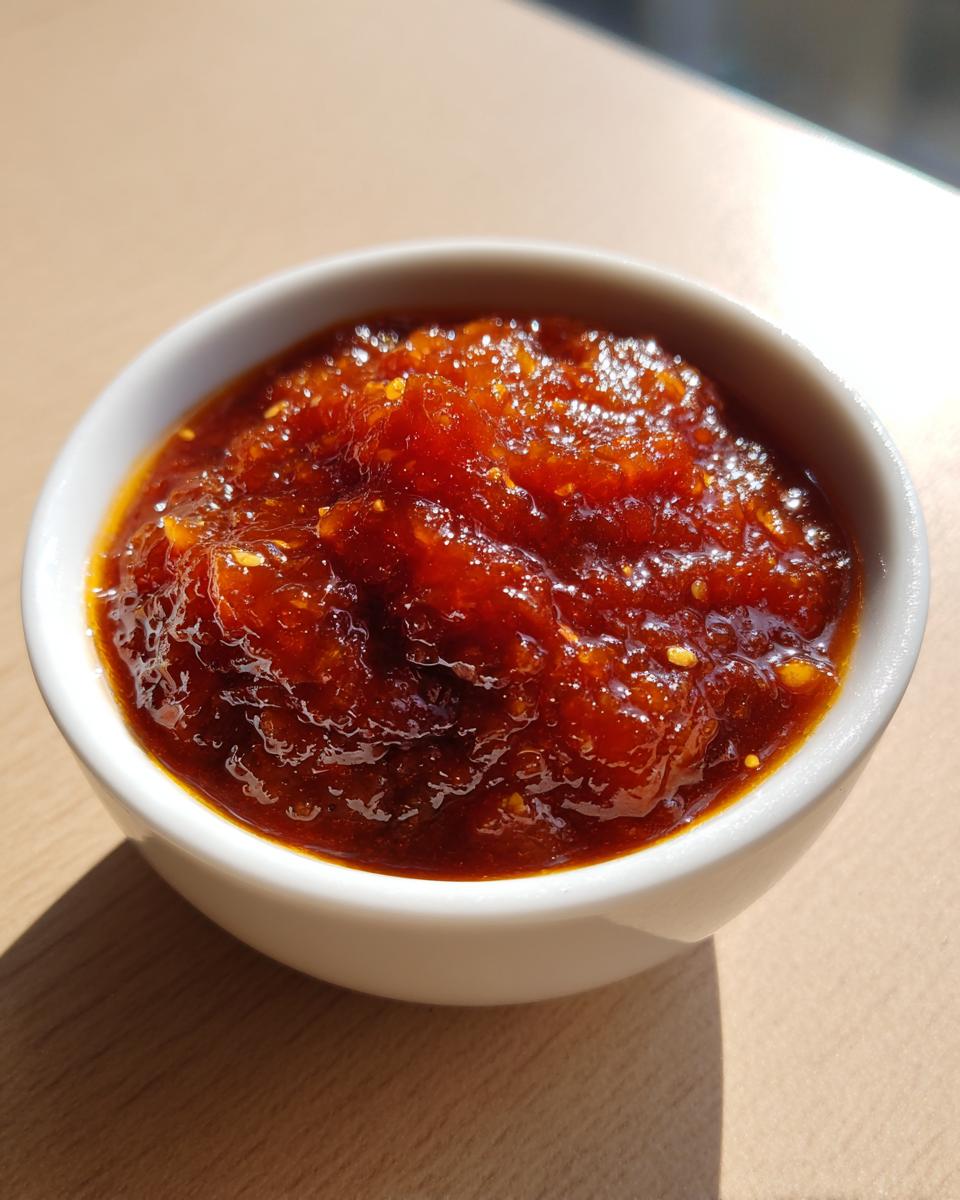
When it’s thick enough that you can drag your spoon across the bottom of the pot and the line stays open for a second before the chutney runs back in, you’re done! Turn off the heat and let it cool down just a hair before you transfer it into sterile jars. Patience now saves you from jar explosions later!
Expert Tips for Mastering Tomato Chutney Recipes
Look, most basic Chutney Recipes are straightforward, but mastering them—getting that *perfect* texture and flavor balance—that takes a little insider knowledge. I’ve got a couple of little moves that I always use to make sure my tomato chutney goes from good to absolutely phenomenal. These aren’t complicated; they’re just things I learned after burning a few batches early in my cooking life!
First off, let’s talk texture. If you like your chutney super smooth, almost like a jelly, you have a secret little trick up your sleeve. While the recipe calls for simmering until thick, if you feel like you still have too many onion bits floating around, just grab an immersion blender—carefully!—and give the mixture a quick blitz right before you turn off the heat. You don’t want a total puree, just enough to knock down the chunkiness. But, and this is important, only do this when it’s already quite thick, otherwise, you’ll just spray hot tomato everywhere!
The second major thing with any chutney recipe is the balancing act between sweet and sour. Every batch of tomatoes is different, right? Some are mega-sweet, especially if you got them straight from a local farm, and others are super acidic.
Here is my rule:
- Always taste it right before you jar it, while it’s still hot. That’s when the flavors are most pronounced.
- If it tastes too sharp, add sugar, a tablespoon at a time, stirring it in completely before tasting again. Don’t rush this step!
- If it tastes flat or dull, add a tiny splash more vinegar or a pinch of salt. A little extra acidity really wakes up the tomato flavor, trust me.
Also, if you are making a big batch and planning to use some right away and save some, save the extra vinegar mixed into that big pot of simple pasta sauce I shared last week; it’s great for thinning out any jam that gets too stiff in the fridge later on. These little adjustments are what make my tomato chutney my go-to!
Ingredient Notes and Substitutions for Chutney Recipes
Okay, let’s talk ingredients again because while this recipe for tomato chutney is super forgiving, there are a couple of spots where paying attention really elevates the final product in these Chutney Recipes.
The star, obviously, is the tomato. If you use tomatoes that aren’t quite ripe—you know, those pale, slightly hard ones from the early season—your chutney is going to be way too acidic. That’s fine if you love that blast of sourness, but you’ll have to dump in almost twice the sugar called for to balance it out, and then it stops being chutney and starts being jam, right?
My personal plea to you: If your tomatoes aren’t perfectly ripe, wait a week! Or, if you absolutely must cook now, use a bit more vinegar (maybe 120 ml instead of 100 ml) and definitely taste-test constantly while simmering. It’s all about that sweet/acid balance!
Now, for the spice adjustment—this is where you can totally make it *your* chutney. We ask for 1 teaspoon of chili powder, but that’s just my medium heat level. If you like things really mild, cut that down to just 1/2 teaspoon, or skip it entirely and just add a tiny grind of black pepper for warmth instead of heat.
On the flip side, if you like heat that really sings, forget the powder! Grab a fresh, small red chili (like a bird’s eye) and chop it up really fine—seeds and all—and toss it in with the garlic and ginger right at the start. That fresh chili flavor is so much brighter than the dried powder, and it makes these Chutney Recipes absolutely sing alongside strong cheeses. Just remember to wash your hands really well after handling those fresh chilies! Seriously, avoid rubbing your eyes for the next five hours.
Serving Suggestions for Your Tomato Chutney
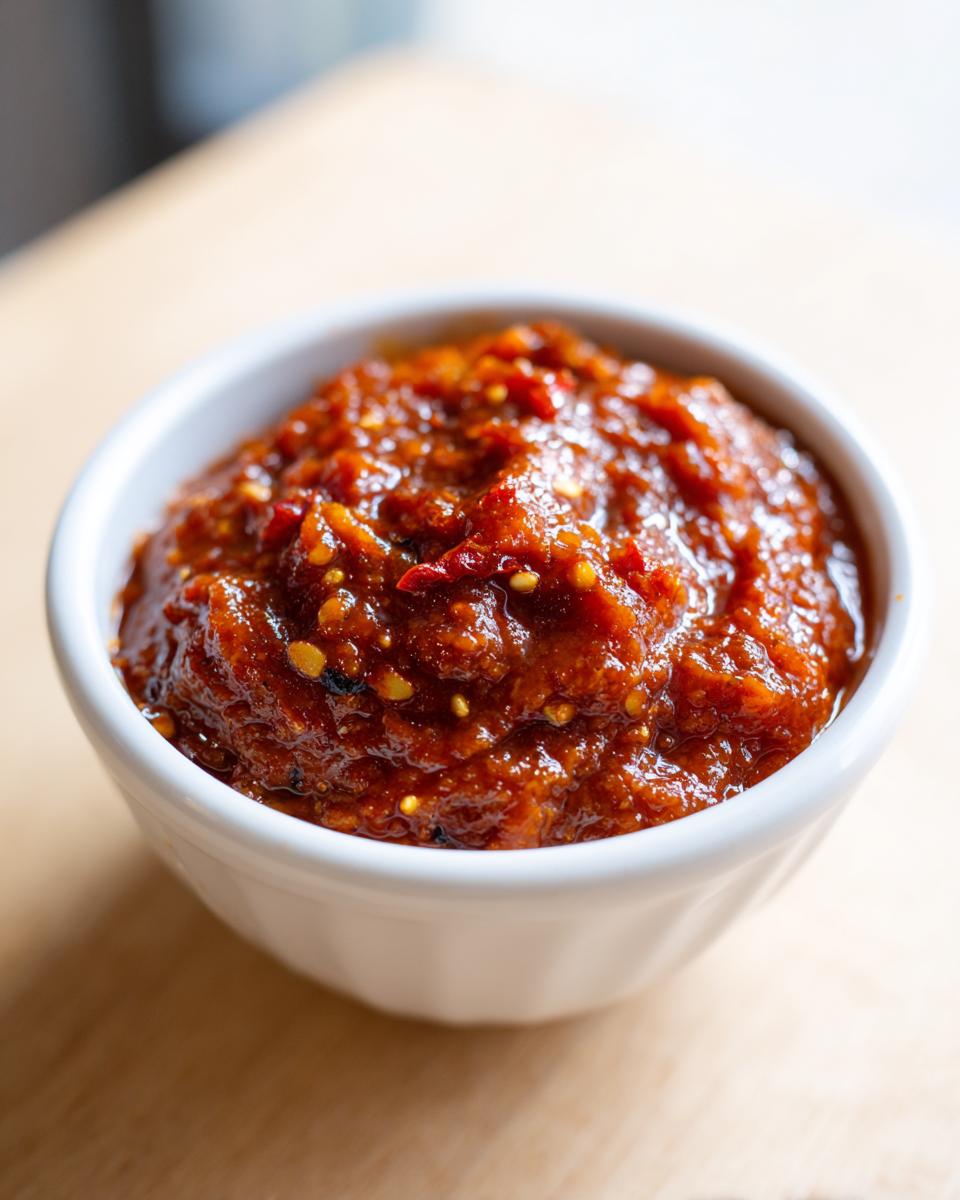
Alright, now that your beautiful, glossy tomato chutney is cooled down and sitting in those jars, the real fun—eating it—can begin! A great chutney is like the best supporting actor; it makes the main star shine so much brighter. I’ve learned so many ways to use this batch that I feel like I should have been writing pairings instead of Chutney Recipes!
You know I love a good cheese board, and this sweet and tangy chutney is mandatory. Forget the boring grapes! Put a generous dollop right next to a sharp cheddar, a creamy brie, or even a salty feta. It’s honestly disruptive how good it is. Seriously, if you’re planning any kind of spread, you have to check out my tips on throwing together an antipasto platter, and this chutney is the perfect sticky element to add!
But we can’t forget where chutney really shines—with savory snacks. If you’re making samosas or pakoras for a party, ditch the plain yogurt dip and serve this instead. The tang cuts right through the fried goodness, and it’s just a completely different flavor punch.
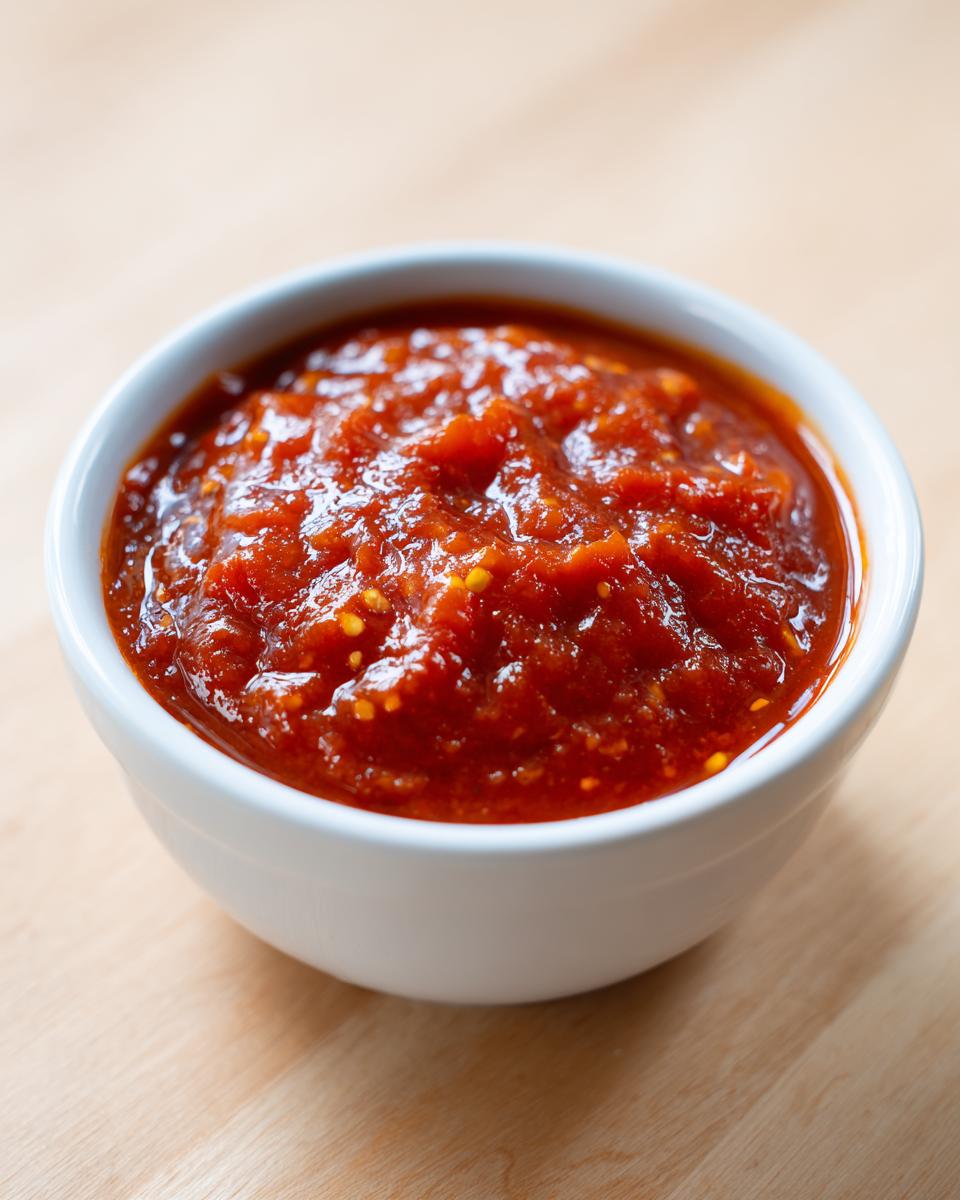
Here are a few ways I’ve been using up my jars this week:
- The Grilled Meat Helper: It’s fantastic smeared on top of sausages or mixed into the base of a hamburger patty before grilling. It adds moisture and a lovely sweet crust as it cooks.
- Breakfast Power-Up: Try spreading it on toast with a fried egg on top. It sounds weird, but the slight heat wakes up the whole dish!
- Roast Meat Companion: If you are doing a roast pork or chicken, this chutney is a dream on the side instead of standard apple sauce. It’s deeper and spicier.
- Sandwich Secret Weapon: Slather it on the inside of a turkey or ham sandwich instead of mustard. It works surprisingly well with salty, cured meats.
Honestly, if something tastes good with salt, sugar, or fat, this chutney probably makes it better. Have fun experimenting, but please save one little jar for yourself to eat with a spoon when nobody is looking!
Storage and Reheating Instructions for Chutney Recipes
So you’ve nailed the simmer time, and your kitchen smells like an Indian spice market—congratulations! Now we have to talk about keeping this gorgeous tomato chutney safe and tasty. When it comes to preserving, you really need to decide if you’re planning to eat this batch within a month or store it for the long haul. Since this is one of my favorite quick Chutney Recipes, I usually go with the faster route, but I also keep a few jars canned just in case winter hits and I suddenly crave that spicy tomato bite!
For short-term storage, which is what I usually do because I get impatient, you need clean, sterilized jars. I always reuse glass jars that have tight-fitting lids. After the chutney cools down a bit following the final simmer—it should be warm, not piping hot—I spoon it into the jars, leaving about half an inch of headspace at the top.
Seal them up tightly, wipe the rims clean (sticky rims can mess with the seal!), and pop them straight into the refrigerator. Stored this way—simply chilled in the fridge—this tomato chutney will stay absolutely fantastic for about 4 to 6 weeks. Honestly, it usually lasts about three days at my house before I need to open the next one, but that’s the truth!
If you want to get real about shelf stability, which is a whole other ballgame worthy of its own post, you need proper canning. You’d sterilize those jars differently, process them in a boiling water bath for the right amount of time (usually around 10 minutes, but you must check official canning guidelines for your altitude!), and let them cool undisturbed for 24 hours to check that satisfying *pop* of the lid sealing. If you’ve canned it correctly, it will sit happily in a cool, dark pantry for up to a year.
Reheating? You don’t really reheat chutney, since it’s meant to be served at room temperature or cool, but if you are taking a jar out of the fridge on a cold day and serving it with cold cheese, just leave the jar on the counter for 30 minutes. It brings out that gorgeous aroma, and the flavors really open up when they aren’t fridge-cold. Never microwave leftovers in a sealed jar, though—that’s just asking for trouble!
Frequently Asked Questions About Chutney Recipes
I always get so many questions when I share my favorite ways to make condiments, and these Chutney Recipes are no exception! People always want to know how to tweak or troubleshoot. Here are the things I hear most often about making this simple tomato chutney work perfectly for you.
Can I make this chutney without sugar?
That is a really tough one, because the sugar actually does more than just sweeten things up! In these traditional Indian Chutney Recipes, the sugar works alongside the vinegar to create that thick, syrupy texture we love. It also acts as a preservative, especially if you are trying to keep it shelf-stable. If you absolutely must cut back, I’d suggest reducing it by maybe 25% for the first batch. But more sugar than that, and you risk having a very runny condiment that spoils fast. If you want it less sweet but still thick, try using sweeter tomatoes or maybe skipping the chili powder and adding some chopped dates instead—that gives a perceived sweetness without adding cane sugar!
How do I get a smoother texture?
If you want that beautifully smooth texture, like a thick jam rather than a chunky relish, you have two great options! The easiest method, which I mentioned earlier, is using an immersion blender right near the end of the cooking process. Blend it for maybe 30 seconds—just until the onion pieces are broken down but you still have some body. The second way (and this is what some folks prefer) is to run the completely cooked and cooled chutney through a food mill. That gives you a silky result, though it can be a bit messy! For me, the immersion blender is the fastest way to improve these types of Chutney Recipes.
What kind of tomatoes are best for chutney recipes?
The absolute best tomatoes are the ones that are painfully ripe—the ones that are almost squishy. Plum tomatoes or Roma tomatoes work wonderfully because they have a bit less water than giant heirloom tomatoes, meaning you have to simmer them slightly less to reduce the liquid. If you have a big haul from the garden, use them immediately! If you’re buying them from the store, look for the ones that are deep red and heavy in the hand. Avoid those pale, hard tomatoes at all costs; they fight the sugar and vinegar the whole way through!
Can I use different vinegars in this recipe?
White vinegar is used here because it’s clear, so it doesn’t muddy the lovely red color, and it provides a very sharp, clean acidity. If you want to play around with the flavor, you can absolutely substitute apple cider vinegar! It will give the chutney a slightly fruitier, softer note. Some folks even try balsamic vinegar for a truly dark, rich chutney, but be careful—balsamic is much sweeter, so you’ll need to cut back on the added sugar significantly, or you’ll end up making a tomato syrup!
How long does homemade chutney last?
This really depends on how you store it! If you jar and process it correctly for shelf stability, it can last a year in a cool, dark pantry. However, if you just sealed the jars and stuck them in the fridge (like my usual method!), you should aim to eat it within 6 weeks for the best, freshest flavor. After that, it’s still perfectly safe for ages in the fridge, but the spices start to mellow out. If you have questions about safe home canning practices, I always recommend checking out some detailed guides, like the resources available at my contact page for external links, to ensure you are following best practices for food safety!
Nutritional Estimates for This Tomato Chutney
If you’re anything like me, you probably enjoy your food, but you also like knowing what you’re putting in your body! When you’re making homemade condiments, you have so much more control than buying a jar off the shelf, which is a huge win. I ran the numbers on this simple tomato chutney recipe based on my standard measurements, and here is what we get per serving size.
Now, remember this is just an estimate! The final breakdown depends entirely on how sweet your tomatoes were naturally and exactly how much sugar you decided you “needed” to add during the simmer. These are just guidelines based on standard ingredients, but they look pretty good to me—much better than those store-bought versions loaded with who-knows-what!
Here are the approximate nutritional breakdown figures for a standard serving size of 2 tablespoons:
- Serving Size: 2 tablespoons
- Calories: 55
- Sugar: 12 g (Yes, chutney has sugar, it’s part of the preservation magic!)
- Carbohydrates: 14 g
- Fat: 0.2 g (Barely anything!)
- Saturated Fat: 0.0 g
- Cholesterol: 0 mg
- Sodium: 150 mg
- Protein: 0.4 g
See? It’s mostly sugar and carbs because of the tomatoes and the addition of our balancing sugar, but given that you usually only eat a spoonful or two alongside cheese or meat, it really doesn’t add up fast. It’s a flavor booster, not a main course! If you’re worried about the sugar, go back and check out my tips on adjusting the sweetness, but don’t forget that sugar helps it last longer!
Print
Simple Tomato Chutney
- Total Time: 75 min
- Yield: About 4 cups 1x
- Diet: Vegetarian
Description
A straightforward recipe for a tangy and slightly sweet tomato chutney.
Ingredients
- 1 kg ripe tomatoes, chopped
- 2 medium onions, finely chopped
- 4 cloves garlic, minced
- 1 inch ginger, grated
- 200 g sugar
- 100 ml white vinegar
- 1 teaspoon salt
- 1 teaspoon red chili powder
- 1/2 teaspoon ground cumin
Instructions
- Combine tomatoes, onions, garlic, and ginger in a large, heavy-bottomed pot.
- Cook over medium heat, stirring occasionally, until the tomatoes soften, about 15 minutes.
- Add sugar, vinegar, salt, chili powder, and cumin to the pot.
- Bring the mixture to a boil, then reduce heat to low.
- Simmer uncovered for 45 to 60 minutes, stirring frequently, until the chutney thickens to your desired consistency.
- Remove from heat and let it cool slightly before jarring.
Notes
- For a smoother chutney, you can blend the cooked mixture briefly before the final simmer.
- Adjust sugar and vinegar amounts based on the sweetness and acidity of your tomatoes.
- Prep Time: 15 min
- Cook Time: 60 min
- Category: Condiment
- Method: Stovetop Cooking
- Cuisine: Indian
Nutrition
- Serving Size: 2 tablespoons
- Calories: 55
- Sugar: 12 g
- Sodium: 150 mg
- Fat: 0.2 g
- Saturated Fat: 0.0 g
- Unsaturated Fat: 0.1 g
- Trans Fat: 0.0 g
- Carbohydrates: 14 g
- Fiber: 0.5 g
- Protein: 0.4 g
- Cholesterol: 0 mg
Keywords: tomato chutney, chutney recipe, simple chutney, Indian condiment, preserved tomatoes