
Oh my gosh, forget everything you think you know about plain, boring potato side dishes. Seriously, stop looking. I want to share my secret to making the absolute **Best Mashed Potatoes** you will ever taste—they are outrageously creamy, they taste exactly like pure comfort, and honestly, I can make a full meal out of just these.
For years, I struggled with lumpy potatoes or, worse, potatoes that got gluey after sitting for two minutes. It was depressing! But after fiddling with my mom’s old Sunday dinner recipe, I nailed it down. The trick isn’t complicated; it’s all about temperature control and a tiny bit of drying time. Trust me, these creamy beauties are simple enough for a Tuesday but impressive enough for Thanksgiving.
Why These Are the Best Mashed Potatoes You Will Ever Make
I know everyone claims they have the best mashed potatoes, but I really mean it! These aren’t just potatoes mixed with milk; these are fluffy clouds of savory goodness. The payoff for about 35 minutes of your time is huge. You get a flavor and texture that restaurant chefs dream about.
Here’s why I’m so obsessed with this method:
- Superior Texture: They are impossibly creamy without being soupy. We use a specific drying technique that keeps starch happy and bouncy, not dense.
- Simple Technique: There’s no fancy equipment needed, just basic kitchen gear and careful layering of flavor as you go.
- Maximum Flavor Payoff: We push the butter and salt just right. It hits that perfect savory spot that makes you want to go back for just one more spoonful. These are truly the Best Mashed Potatoes for any plate!

Essential Ingredients for the Best Mashed Potatoes
The beautiful thing about spectacular mashed potatoes is how few ingredients they require. When you keep the list short, every single item has to pull its weight, which is why ingredient quality matters so much here. If you skimp on quality, these Best Mashed Potatoes will taste… well, like sad potatoes.
Here is the exact lineup we stick to for four satisfying servings:
- Two pounds of Russet potatoes—peeled and cut into quarters.
- One half cup of whole milk, warmed up slightly on the stove.
- Four tablespoons of unsalted butter, and this is important: it needs to be softened to room temperature.
- One half teaspoon of salt (plus more for the boiling water, naturally).
- One quarter teaspoon of freshly ground black pepper.
See? It’s simple, but trust me on the prep for each one. We aren’t just tossing things in a bowl here; we are setting up the perfect texture!
Ingredient Notes and Substitutions
I get asked all the time about tweaking this recipe, and honestly, substitutions change the texture, but you can certainly adapt based on what you have!
Russets are my non-negotiable star. They are high in starch and low in moisture, which makes them floury and light when cooked properly—perfect for mashing. If you use waxy potatoes, you’ll end up with a denser, gluey texture that we are trying desperately to avoid.
Now for the liquid: The recipe calls for whole milk, which gives you that classic flavor. But if you want pure, decadent creaminess that melts in your mouth, go ahead and swap that milk for heavy cream. You might need a little less, so add it slowly! Also, make sure that milk is warmed up; pouring cold dairy into hot potatoes shocks the starch and makes them tighten up almost instantly.
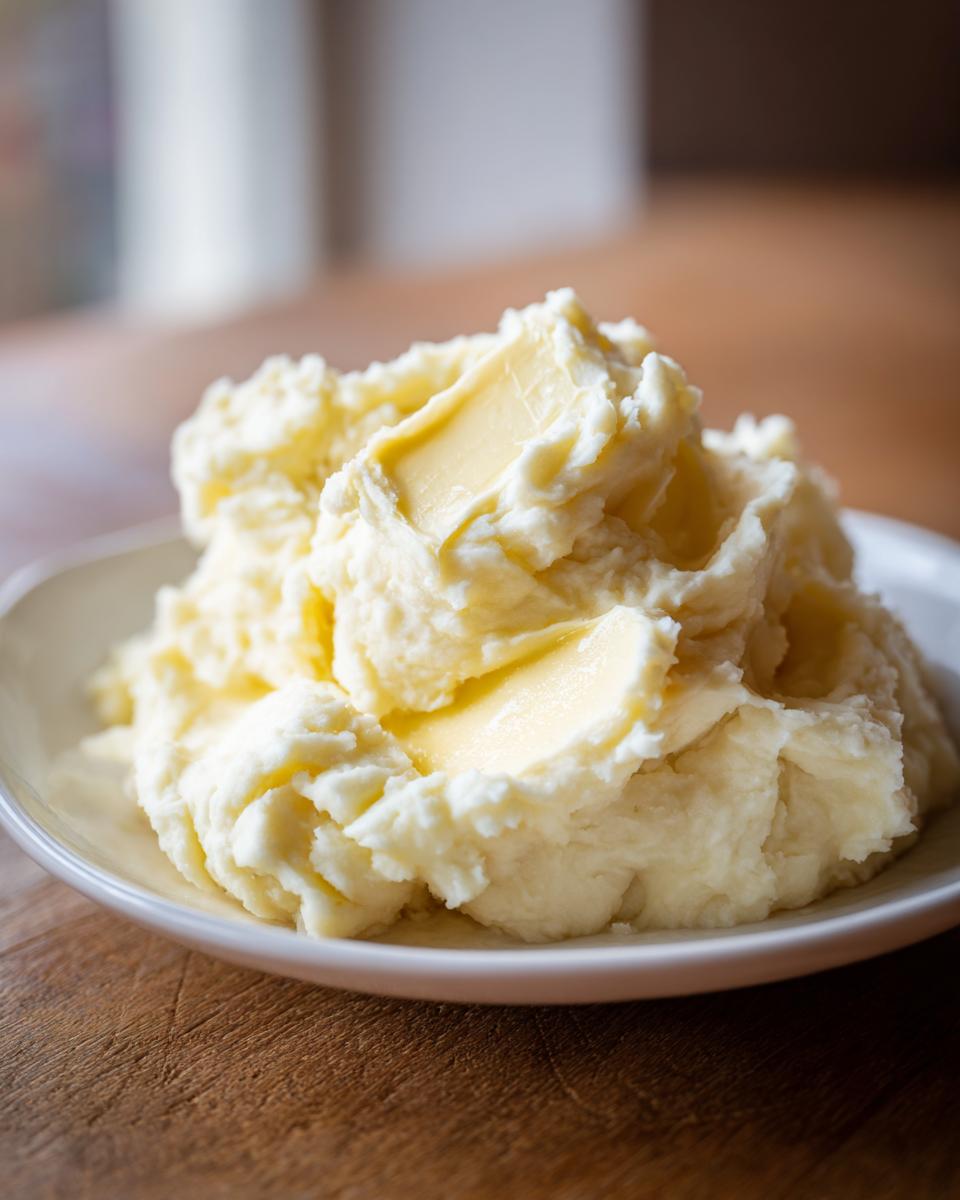
Step-by-Step Guide to Perfect Best Mashed Potatoes
Okay, this is where the magic happens, but you have to listen closely because timing is everything if you want the fluffiest Best Mashed Potatoes. Follow these steps exactly, and I promise you won’t need store-bought cartons ever again.
- First things first, get those potatoes peeled and quartered, and drop them right into your biggest pot. Cover them with cold water—cold is key!—and toss in a pinch of salt to season them from the inside out.
- Bring that water up to a hard boil over high heat. Once it’s boiling, turn it down so it’s a steady simmer—not a violent bubble. Let them cook until they are completely fork-tender. This usually takes me about 15 to 20 minutes. They should fall apart easily when you poke them.
- Drain those cooked beauties really well in a colander. Don’t leave any standing water! Now, here’s my little trick: put the empty, hot pot back on the stove on the absolute lowest heat setting for just one minute. Toss the drained potatoes back in and stir them constantly. We are steaming off that last bit of excess moisture!
- Remove that pot from the heat completely. This is non-negotiable! Add your softened butter right away and start mashing. I prefer an old-school hand masher rather than a ricer for this recipe because I like a tiny bit of lumpiness, which gives great texture. You want them mostly smooth, but not baby food consistency yet.
- Once the butter is incorporated, start slowly pouring in that warm milk. I mean slowly—a little splash at a time—while continuing to mash. Keep going until you see that gorgeous, creamy flow you’ve been dreaming of.
- Finally, stir in your salt and pepper. Give it a taste test. You’ll probably need a little more salt. That’s normal; the potatoes just drink it up! Serve them immediately, maybe alongside some delicious gravy, like the one you can find here if you’re making a big holiday meal.
Expert Tips for Fluffy Best Mashed Potatoes
The difference between good and Best Mashed Potatoes is all in the ‘why’ behind the steps. Remember when we briefly put the potatoes back on low heat after draining? That’s called ‘drying out the spuds.’ It evaporates surface water so that when you add the milk and butter, they absorb that richness instead of getting diluted. It’s genius, really!
Also, the warm milk trick I mentioned? Don’t skip it! Cold liquids seize up the potato starch, leading to that heavy, slightly gummy texture that no one wants. Warm dairy mixes in smoothly, keeping everything light.
If you want one extra pro tip to elevate these, try this: use a pastry blender or a wide, flat whisk instead of a traditional hand masher at the very end. It cuts through the potatoes gently without breaking down the starch too much, resulting in the fluffiest possible texture. It’s my secret weapon for that impossibly light mouthfeel!
Equipment Needed for Best Mashed Potatoes
You don’t need a giant mixer or a thousand fancy gadgets to achieve the Best Mashed Potatoes. Keep it simple, folks! You’ll mainly need a good, large pot to boil everything up properly. Don’t forget a sturdy colander for draining those hot spuds.
My absolute must-have is a handheld potato masher—the kind that looks like a zig-zag wire—for that perfect rustic texture. If you use an electric mixer, you’ll instantly end up with glue, so stay away from that!
Serving Suggestions for Your Creamy Potatoes
Now that you have the most perfect, creamy potatoes sitting hot on the counter, the real fun begins: deciding what they’re going to sit next to! Honestly, these potatoes are so flavorful they don’t *need* much, but they are the perfect vehicle for soaking up gravies and pan juices.
If you are having a big roast—maybe a pot roast or a Thanksgiving turkey—these are the undisputed champions. They hold up beautifully under rich sauces. I swear, nothing beats cutting into a perfectly cooked steak, watching the juices run out, and then diving into a pile of my buttery mashed potatoes. If you are looking for grilling inspiration for your main course, I have a great list of amazing beef recipes perfect for that outdoor flavor!
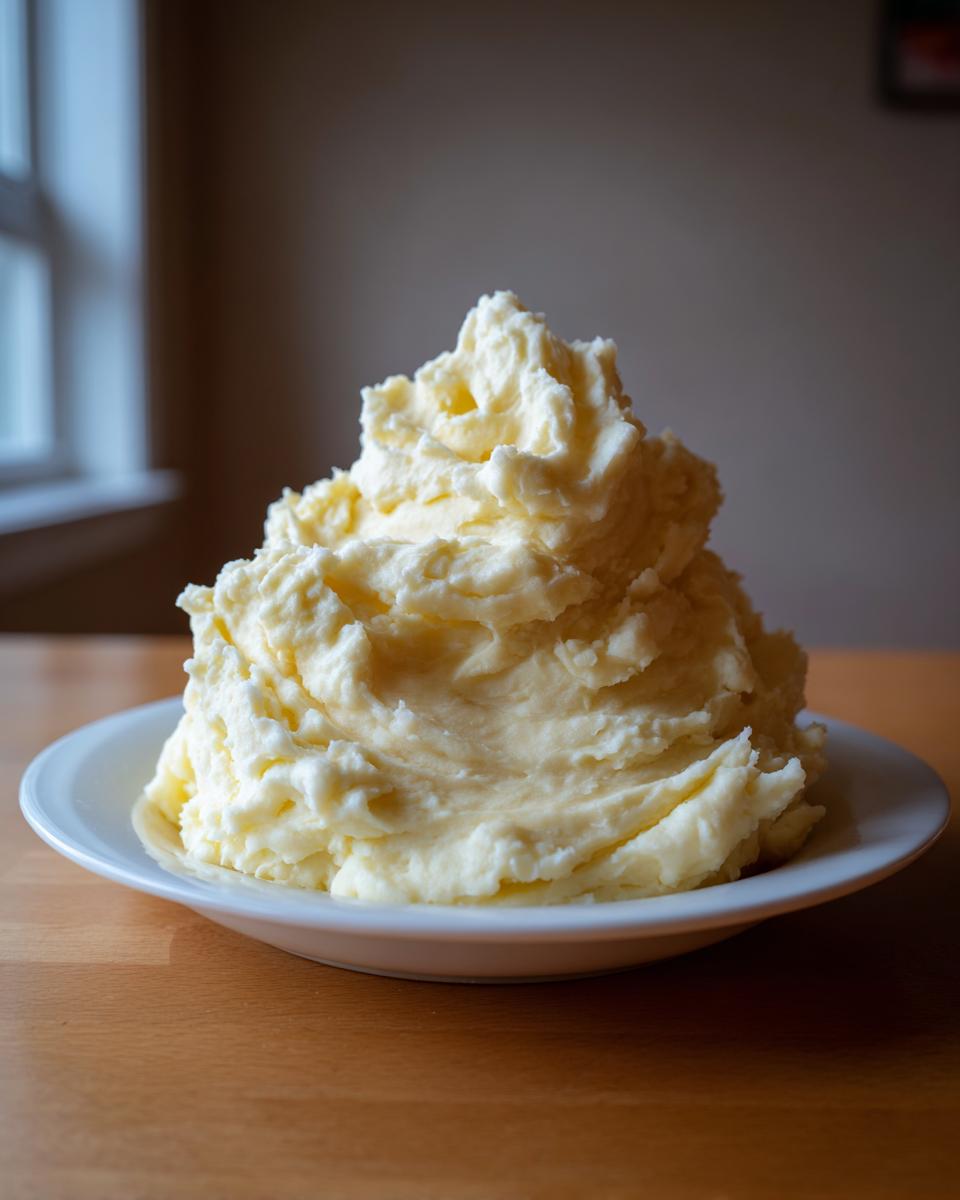
For a simpler meal, I often just serve them alongside some quick pan-seared pork chops or baked chicken thighs, maybe with a side of green beans tossed with some crispy bacon bits. Honestly, these potatoes make any weeknight feel like a special occasion. Just make sure you make extra, because everyone will be going back for seconds!
Storage and Reheating Instructions for Best Mashed Potatoes
The only trouble with making the Best Mashed Potatoes is that they usually disappear too fast! But if you have leftovers—and you should always plan for leftovers—storing and reheating them correctly is crucial so you don’t ruin that perfect creamy texture.
You can keep these leftovers sealed tight in an airtight container in the refrigerator for up to four days. That’s a good run! If you know you won’t get to them before then, you can definitely freeze them. Freeze them in small, usable portions; they freeze beautifully for about three months, though the texture might change just a tiny bit.
When it comes to reheating, please, PLEASE, do not just microwave them plain! They will seize up instantly. To bring them back to life, you need to add back moisture. Put the potatoes in a pot over low heat. Add a splash of extra warm milk or a small pat of butter. Stir gently—we do not want to overmix!—just until they are warm and flowing smoothly again. No electric beaters allowed, even for reheating!
Troubleshooting Common Mashed Potato Issues
Hey, even the best cooks have potato setbacks! Potatoes are tricky because they act differently depending on the weather, the age of the spud, and even how hard you beat them with the masher. Don’t panic if yours aren’t looking perfect right out of the gate; we can usually fix it.
The most common nightmare is glueyness. If your potatoes are sticky or gummy, that means you agitated the starch too much, usually by overmixing after the liquid went in or by using an electric mixer! For fixing this, you basically have to start over, but if it’s just *slightly* gummy, sometimes adding a tablespoon of cold water and stirring very gently can help loosen it up again. If that fails, pivot! Turn them into something else, like twice-baked potato filling; no one will ever know!
If your potatoes are too watery, that’s usually from not drying them out enough after boiling. If they are too liquidy when you catch it early, take what you have in the pot (off the heat!) and let it sit uncovered for five minutes—some steam will evaporate. You can try stirring in a spoonful of instant potato flakes if you have them, but honestly, a little extra butter usually fixes watery potatoes right up!
Frequently Asked Questions About Making the Best Mashed Potatoes
I totally get it; when you are aiming for the *best* mashed potatoes, you’re going to have questions! This recipe is great, but the texture of mashed potatoes can really be a sticking point for folks. Let’s clear up the last few things so your next batch of creamy potatoes is flawless.
We get the most feedback on tools and potato types, so let’s get those sorted out right now!
Can I use a potato ricer for these Best Mashed Potatoes?
Yes, you absolutely can use a potato ricer! A ricer is actually the best tool if your goal is ultra-smooth, restaurant-quality mashed potatoes. It pushes the cooked potato through small holes, creating beautiful, separated strands that look airy when you mix in the butter and milk, locking in that airy texture.
However, remember my note from earlier? If you use a ricer, be *extra* careful when adding the milk. Because the texture is so fine, it’s super easy to overwork it once the liquid is in. You want to stir it just until combined, or even the ricer won’t save you from gluey results!
What is the best potato variety besides Russet for creamy potatoes?
If you can’t find Russets, or maybe you just want a subtly different flavor profile, my second favorite choice is definitely Yukon Gold potatoes. They are a fantastic alternative for achieving rich, creamy potatoes.
Yukon Golds naturally have a slightly higher moisture content and a hint of buttery flavor right out of the ground. That means you might need slightly less butter or milk than with a Russet batch. They produce a wonderfully dense yet smooth mash that holds up fantastic well, though it won’t get quite as light and fluffy as the Russets do.
Nutritional Snapshot
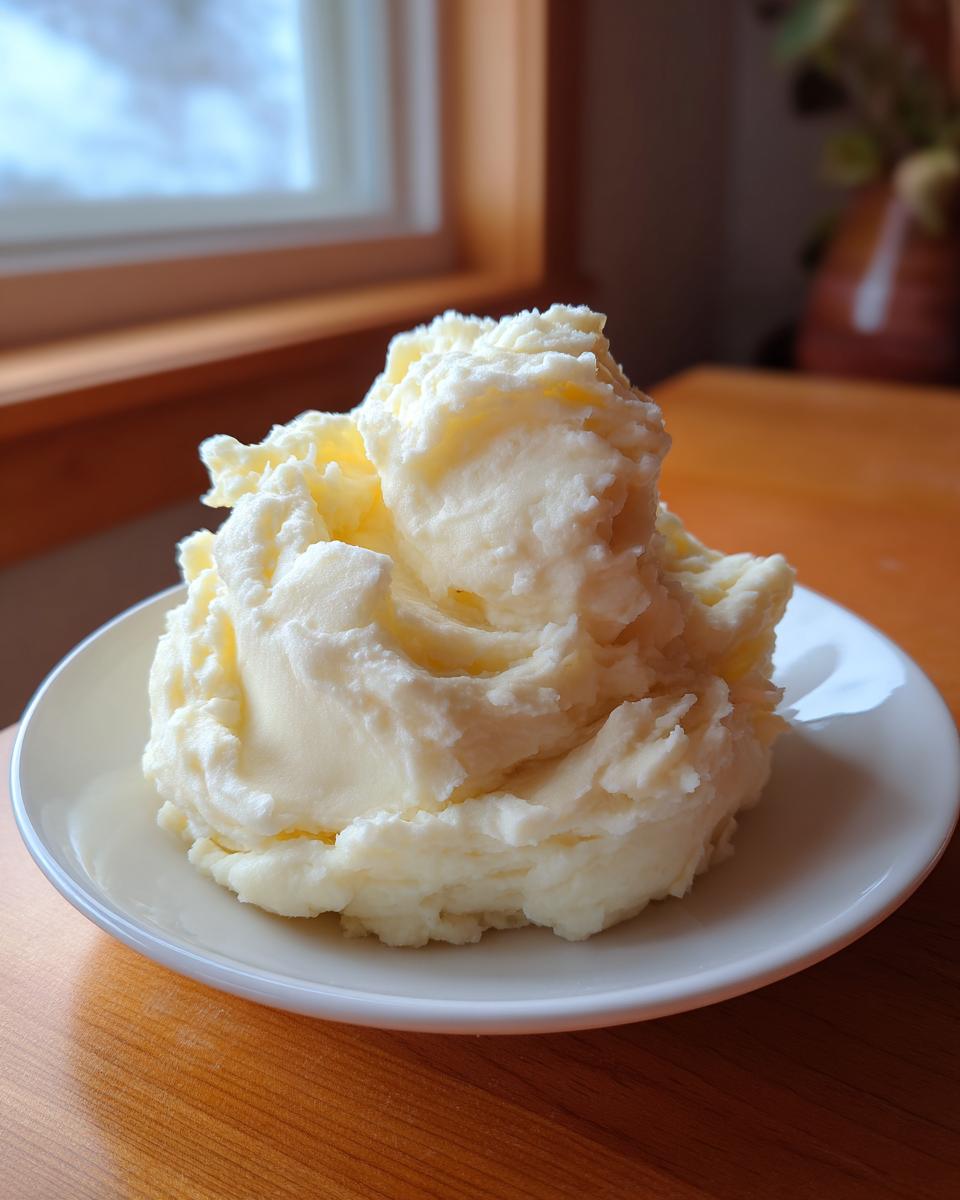
I know some of you are tracking macros, or maybe you’re just curious about what goes into these glorious clouds of comfort! While these are homemade, and ingredient amounts can fluctuate slightly depending on how much butter actually makes it in (wink), I’ve ballparked the nutrition based on a standard serving size.
It’s important to remember that these are estimates, folks! My kitchen scale isn’t calibrated for nutritional analysis, so take these numbers as a good general guideline rather than strict dietary fact. We are focusing on flavor here, after all!
For one serving of these Best Mashed Potatoes, here’s what you’re looking at:
- Calories: Around 280
- Total Fat: About 14 grams (Be generous with that butter!)
- Carbohydrates: Roughly 34 grams
- Protein: About 5 grams
- Sodium: Approximately 350mg (This varies wildly depending on how much salt you add!)
Basically, they are rich, delicious, and the perfect anchor for any hearty meal. Don’t sweat the small stuff; just enjoy every single creamy bite!
Print
Best Mashed Potatoes
- Total Time: 35 min
- Yield: 4 servings 1x
- Diet: Vegetarian
Description
A recipe for simple, creamy mashed potatoes.
Ingredients
- 2 lbs Russet potatoes, peeled and quartered
- 1/2 cup whole milk, warmed
- 4 tablespoons unsalted butter, softened
- 1/2 teaspoon salt
- 1/4 teaspoon black pepper
Instructions
- Place the peeled and quartered potatoes in a large pot and cover with cold water. Add a pinch of salt to the water.
- Bring the water to a boil over high heat. Reduce heat and simmer until the potatoes are fork-tender, about 15 to 20 minutes.
- Drain the potatoes well in a colander. Return the drained potatoes to the hot, empty pot.
- Heat the pot over low heat for 1 minute, stirring constantly, to dry out the potatoes slightly.
- Remove the pot from the heat. Add the softened butter and mash the potatoes until mostly smooth.
- Gradually add the warm milk while continuing to mash until you reach your desired consistency.
- Stir in the salt and pepper. Taste and adjust seasoning if needed. Serve immediately.
Notes
- For extra flavor, use heavy cream instead of milk.
- Do not overmix the potatoes after adding the liquid, or they can become gluey.
- Prep Time: 15 min
- Cook Time: 20 min
- Category: Side Dish
- Method: Boiling
- Cuisine: American
Nutrition
- Serving Size: 1 serving
- Calories: 280
- Sugar: 2
- Sodium: 350
- Fat: 14
- Saturated Fat: 9
- Unsaturated Fat: 5
- Trans Fat: 0
- Carbohydrates: 34
- Fiber: 3
- Protein: 5
- Cholesterol: 35
Keywords: mashed potatoes, potatoes, side dish, creamy potatoes, best mashed potatoes