
Oh, that deep, vibrant color! There is just nothing better than opening a jar of homemade pickled beets when the summer harvest feels miles away. If you’ve been holding off on canning because you think it’s complicated, hold the phone! I promise you, this recipe for Pickled Beets is as straightforward as it gets. My grandmother always made these vibrant little gems for holiday dinners, and they were always the first jar wiped clean. We’re not talking fancy multi-step recipes here; we’re talking simple vinegar, sugar, and spice that turns earthy raw vegetables into tangy perfection.
Why You Will Love These Simple Pickled Beets
Honestly, I keep coming back to this recipe over and over again. It’s foolproof, and that means you get that gorgeous, bright flavor without spending all day wrestling with your canner. These beets are just magic on a cheese board, trust me!

- They’re so easy to whip up—you’re looking at maybe an hour start to finish for the whole batch!
- The balance of sweet and spicy is spot-on; it just sings along with the earthiness of the beet.
- They make the best gifts, and you feel like a domestic goddess when you hand over a jar, right?
Quick Preparation Time for Pickled Beets
We are talking about a recipe that has a prep time of only 25 minutes. Can you believe that? Even factoring in the boiling time for the beets and the water bath processing, you are looking at basically one hour total. For canning, that’s lightning fast! It means I can decide on a Tuesday night that I desperately need some tangy Pickled Beets for dinner and still have them put up safely before bedtime.
Perfect Tangy Flavor Profile
The brine is where the real romance happens here. It’s a beautiful marriage of sugar and vinegar, and while it tastes good right after processing, you absolutely have to let them rest. I always tell people to hide at least one jar away in the back of the pantry for a full week. When you finally dig into that jar, the flavor deepens so much; the spices mellow out, and the sweet/sour hits that perfect, complex level. It’s worth the wait, I promise!
Essential Ingredients for Perfect Pickled Beets
Okay, let’s talk about what goes into these beauties. Keeping this recipe simple means we need quality ingredients that really shine through once they hit that hot brine. I always make sure to use fresh beets, not those sad little vacuum-sealed ones—you simply won’t get the same vibrant color or final crunch otherwise. Everything else is pretty standard pantry fare, which is exactly what I love about this foolproof method for fantastic Pickled Beets.
- 2 lbs fresh beets, trimmed and peeled (Don’t skip peeling them first!)
- 2 cups white vinegar (Must be standard white vinegar, no fancy apple cider here!)
- 2 cups water
- 1 cup granulated sugar
- 1 tablespoon pickling salt (Crucial for crispness!)
- 1 teaspoon whole black peppercorns
- 2 whole cloves
Ingredient Notes and Substitutions for Pickled Beets
Here’s where I lean in and tell you my little secrets so your pickles turn out truly professional. First, you absolutely need pickling salt. Table salt has additives that can make your brine cloudy or soften your beets, and nobody wants soft pickles! If you can only find large peppercorns, you can toss two or three more in, but try to keep the spices minimal to let that beet flavor pop.
And please, always use fresh beets for the best results. Washing and peeling them takes a minute, but boiling them until they are fork-tender is what sets you up for success. Overcooking them now means mushy pickles later, so keep an eye on that 20 to 30-minute window!
Equipment Needed for Making Pickled Beets
You don’t need a whole specialized canning operation to make incredible Pickled Beets, but you do need a few specific things to make sure they are safe and store well. I started years ago using just the biggest stainless steel pot I owned, so don’t feel like you need fancy gear!
First things first, you definitely need clean canning jars. I use standard pint jars for this recipe, which yield about four jars. Make sure you have your fitting lids and bands ready to go—you can’t skip those!
- A large stockpot or Dutch oven for boiling the raw beets.
- A separate, smaller saucepan for heating up the brine.
- A water bath canner (or a pot deep enough to cover your jars by at least an inch of water).
- A jar lifter—this is non-negotiable for safety, seriously! Don’t try to grab hot jars with tongs or oven mitts; get the lifter!
- A funnel and headspace tool (or just a chopstick!) to get the brine in neatly and make sure you have that perfect 1/2 inch headspace.
- A clean kitchen towel for wiping down the jar rims; this helps those lids seal tight!
Having all this ready *before* the beets are even done cooking saves so much stress. Trust me, the last thing you want is perfectly cooked, hot beets sitting on the counter while you’re frantically digging around for your jar lifter!
Step-by-Step Instructions to Make Pickled Beets
Alright, let’s get these beautiful beets into jars! Before you even touch a vegetable, get your jars and lids ready. I always run my jars through the dishwasher on the sanitize cycle, or boil them in that canner pot for about 10 minutes. It feels like an extra step, but trust me, it prevents so much heartache later. For this recipe, we aren’t messing around with room-temperature brine—everything needs to be hot to ensure a safe seal for these Pickled Beets.
I remember one time early on, I was rushing, and I only rinsed my jars under hot tap water instead of properly sterilizing them. Well, I ended up with two jars that didn’t seal and had to be tossed! Learn from my mistake: Sanitize your jars first!
Cooking the Beets for Pickled Beets
First, toss those trimmed and peeled beets into a big pot and cover them completely with water. I boil them until they are tender—you should be able to slide a fork right in, which usually takes about 20 to 30 minutes. Once they’re done, drain them really well and let them cool down a bit so you can handle them. Don’t rush this part! Once they are cool enough, slice them up into whatever bite-sized pieces you like. Rounds, halves, whatever makes you happy!
Preparing the Brine for Pickled Beets
While those beets are boiling away, you can whip up the magic! In a separate saucepan, combine your white vinegar, water, sugar, and pickling salt. Bring this mixture to a full boil, stirring constantly until you can’t see any sugar or salt crystals anymore. That means it’s all dissolved. As soon as it’s clear, take it off the heat so it stays piping hot. If you need inspiration for other quick pickles, I found this great guide on pickled red onions that uses a similar brine base!
Canning and Processing Your Pickled Beets
Now for the assembly line! Pack your cooked beet pieces into your clean pint jars. You want to leave about a half-inch of space right at the top—that’s your headspace! Sprinkle in your whole peppercorns and cloves, distributing them evenly between the jars. Then, carefully ladle that hot brine right over the beets, making sure they are all completely submerged, still keeping that essential half-inch space. Wipe those rims clean, put the lids on fingertip tight, and get them into your boiling water bath canner. Process them for exactly 10 minutes. Take them out, let them cool on a rack, and listen for those happy little pings as they seal!
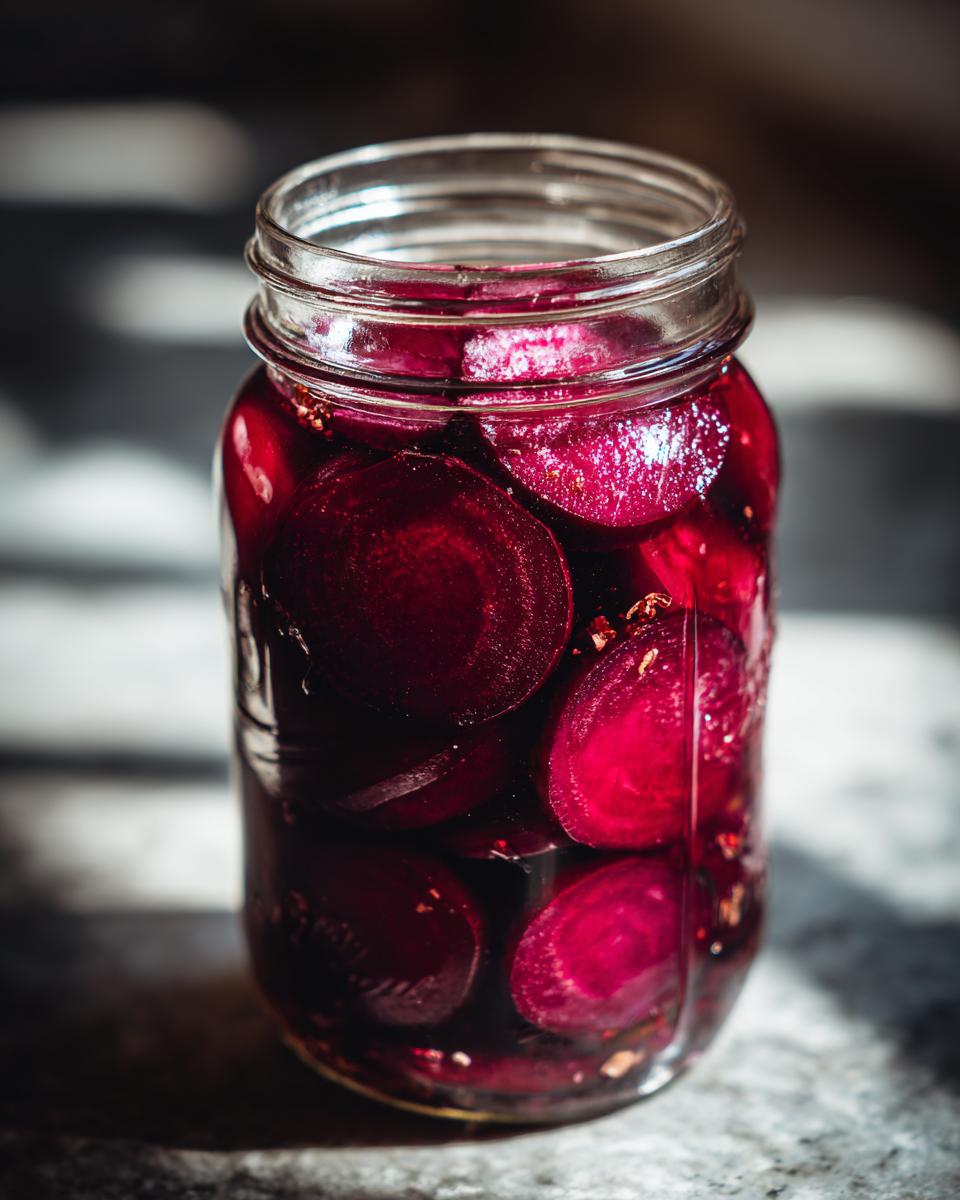
Tips for Success When Making Pickled Beets
Making beautiful, crisp Pickled Beets is all about a few small habits that make a massive difference. You can follow the main instructions perfectly, but these little tweaks are what separate “good” pickled beets from “I’m-making-these-for-everyone” pickled beets!
My absolute number one tip—and I preach this to everyone who asks—is patience. You *can* eat them the next day, sure, but why would you? For the flavor to truly settle in and balance out that sharp vinegar bite, you just need time. I always recommend waiting at least one full week before dipping into your jars. If you leave them alone for two weeks, they’ll be even better. Seriously, if you can hide a jar away somewhere dark, do it!
Also, don’t underestimate the importance of that boiling time for the raw beets. If you pull them too early because they seem ‘kind of tender,’ you end up with a harder crunch that just isn’t right. But, on the flip side, if you boil them until they are falling apart, you’ll have beet mush in your jar. Aim for that sweet spot where a fork slides in with gentle resistance. It’s that perfect stage of done-ness that keeps the texture gorgeous.
Finally, and this is a canning technique I learned the hard way, make sure your jars are warm when you pour the hot brine in. If you pour extremely hot liquid into a cold jar, you risk thermal shock, and the glass can crack right there on your counter! I usually let my sterilized jars sit on a towel near the stovetop while the brine heats up. Nothing ruins the mood faster than a cracked jar right when you think you’re done!
Storage and Reheating Instructions for Pickled Beets
Once you’ve heard that satisfying *pop* as your jars seal, you’re practically done! Now comes the easy part: putting them away so they can age gracefully into the best Pickled Beets you’ve ever had. For the sealed jars, think cool and dark. A pantry or a cupboard away from your stove or any direct sunlight is exactly what they need. The cool, dark environment keeps the color vibrant and stops the pickling process from breaking down too quickly. They are shelf-stable, so you don’t need prime fridge space for them right away!
But here’s the crucial bit: once you crack that seal—maybe you’re greedy and sneak one open early, I won’t judge!—that jar needs a permanent spot in the refrigerator. Once opened, the process changes, and they need that cold temperature to stay crisp and safe. They’ll stay great in the fridge for a couple of months, provided you have the willpower not to eat them all in the first two weeks!
As for reheating? Honestly, you shouldn’t! These are pickles; they are meant to be served cold or at room temperature. If you pull them out of the fridge, give them about five minutes on the counter to take the chill off if you prefer. But never, ever try to cook or microwave your Pickled Beets. You’ll ruin that gorgeous texture we worked so hard to keep crisp. Serve them straight from the cold shelf for the perfect tangy bite!
Variations on Classic Pickled Beets
While I absolutely adore this classic, simple recipe for Pickled Beets—it’s my go-to for a reason—I also love playing around with the brine every now and then! Canning is such a rewarding hobby because you can easily customize things to fit your mood or what you have on hand. It’s fun to switch up the spice profile to get a completely different flavor experience, even when the base recipe stays the same.
Don’t be afraid to experiment with what goes into the hot brine mixture. A few tiny additions can completely transform your jarred beets from sweet and tangy to spicy or savory in the best way possible!
If you’re looking to ramp up the heat, that pinch of red pepper flakes I mentioned earlier is perfect. I suggest starting small—maybe just a small pinch—and tasting the brine before you pour it over the beets. You can always add more heat, but you can’t take it out!
For something a little more cozy and autumnal, try adding other whole spices. Mustard seeds are fantastic; they offer that wonderful, sharp pop. I also adore tossing in a few whole allspice berries if I’m making these around Thanksgiving time. It gives the Pickled Beets this warm, almost earthy background note that is just incredible. Just remember, when you’re adding these whole spices, distribute them evenly among the jars so everyone gets a balanced bite!
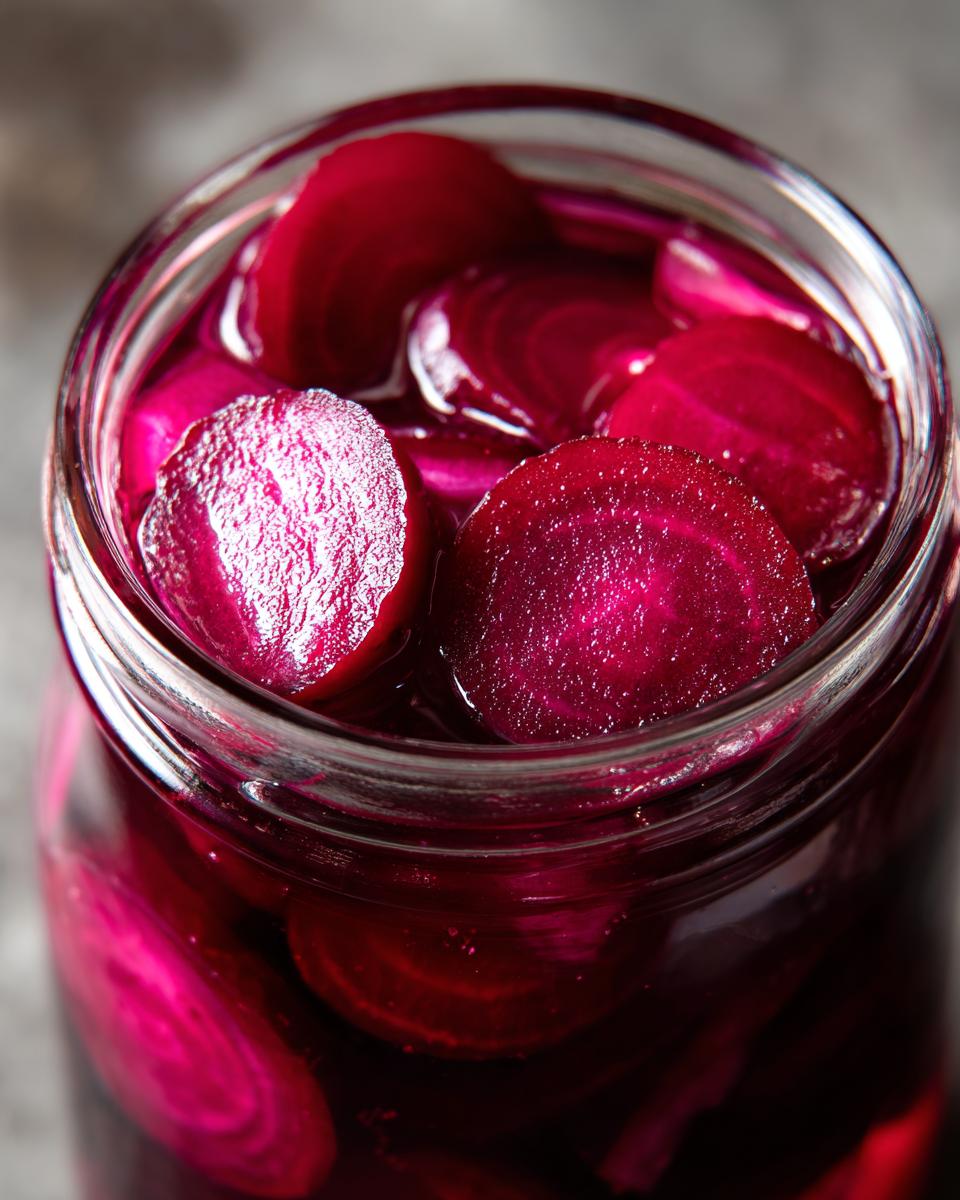
Another fun trick? Try substituting half of the water in the brine with fresh orange juice. It sounds wild, but the acidity mellows out slightly, and the orange zest (if you add a strip or two of orange peel along with the spices!) complements the sweetness of the beets perfectly. It makes them taste almost like a delicate dessert pickle. Just make sure you still hit that 10-minute processing time, because the acidity level is what keeps everything safe!
Serving Suggestions for Pickled Beets
Now that you have these gorgeous, ruby-red jewels sitting on your shelf, the big question is: how do you eat them? Honestly, if you’re anything like me, you’ll sneak more straight out of the jar than you’ll actually serve! But these Pickled Beets are far too flavorful to keep hidden away. They bring a fantastic sweet-and-sour punch that cuts through richness beautifully, making them an absolute essential for holiday spreads and simple weeknight meals alike.
My family usually serves them right alongside roast pork or ham, where that tang balances the savory meat perfectly. But they are so versatile! If you’re putting together a platter, they are mandatory. They look absolutely stunning next to sharp white cheddar or a creamy goat cheese. The color contrast alone makes your cheese board look Instagram-ready, even if you just threw it together five minutes ago.
You can also chop them up and toss them into green salads. I love adding them to a simple mixed green salad or even using them as a vibrant topping on something heartier. If you’re making a big salad for dinner, like a hearty Cobb, adding a few bright beets really elevates the whole thing. I often look up fun combinations, like that amazing Cobb Salad with Ranch Dressing, and use the pickled beets instead of tomatoes sometimes—it’s a game-changer!
Don’t forget about sandwiches, either! A couple of slices on a turkey or roast beef sandwich adds a satisfying textural crunch and that necessary acidity. Honestly, once you start putting your own Pickled Beets on things, you realize how many meals they can improve. Just grab a fork and start tasting—you’ll figure out your favorite way in no time!
Frequently Asked Questions About Pickled Beets
I know when you start canning, you have a million questions swirling around in your head. Safety worries, texture concerns—it’s all normal! I did the same thing when I started making these Pickled Beets. Let’s clear up a few of the things I get asked most often so you can process your jars with total confidence!
How long do homemade Pickled Beets last?
This is the best part about proper water bath canning! As long as your seal is good and you keep those jars stored in a cool, dark place, your homemade Pickled Beets are good for about a year to 18 months. The quality might slowly start to fade after a year, but they will remain safe to eat if sealed correctly. Once you open a jar, though? You have to treat it like any other leftover pickle and pop it in the fridge. They’ll usually stay perfectly crisp and delicious for at least two months once opened, provided you keep the liquid level up!
Can I skip the water bath canning step for these Pickled Beets?
Oh gosh, please don’t skip this step! I know it feels like an extra hassle when you’re eager to eat them, but the water bath process is crucial for safety, especially with lower-acid vegetables like beets. The boiling water bath heats the contents enough to kill off any potential nasty bacteria and forces the air out, creating that vacuum seal that keeps them shelf-stable for months.
If you just pour hot brine over the beets and put a lid on them without processing them in boiling water, you are essentially just refrigerating them. They’ll only last a few weeks in the fridge that way. For true, long-term canning, the 10-minute processing time is non-negotiable. It’s the difference between a yummy pantry staple and a potential food safety risk, so always err on the side of caution!
Why are my Pickled Beets soft instead of crisp?
This is the age-old canning frustration, isn’t it? Soft pickled beets are almost always caused by one of two things: either you overcooked the raw beets, or you didn’t use proper pickling salt. If the beets were turning mushy when you put them in the jars, they are only going to get softer sitting in the brine.
Remember what I said about aiming for ‘fork-tender but still offering some resistance’? That’s what keeps them crisp! Also, if you used regular table salt instead of pickling salt, the anti-caking agents in the table salt can inhibit the crisping process. You can try adding a tiny pinch of pickling lime or calcium chloride next time—though I haven’t needed it with this standard brine—but mostly, watch that initial cooking time!
Estimated Nutritional Data for Pickled Beets
So, we’ve made magic happen in the jars, and now we have delicious, tangy Pickled Beets ready to go! Before you stash them away, I wanted to share the estimated nutritional breakdown. Since we are using fresh vegetables and a straightforward brine, these are a fantastic, low-fat snack option. It’s always helpful to have this information handy, especially when you’re adding them to salads or serving them as a side dish!
Now, I have to give my usual little canned-goods disclaimer here: These numbers are based purely on the ingredients listed in the recipe—2 lbs of beets, 1 cup of sugar, vinegar, and salt. If you decide to double the sugar next time (which, hey, I get it!), your final sugar count will obviously look a little different! This is just an estimate per serving size of about half a cup.
- Serving Size: 1/2 cup
- Calories: Around 85 (pretty low for something so flavorful!)
- Total Fat: 0 grams (Yep, zero fat!)
- Cholesterol: 0
- Sodium: About 280 mg (Remember, this is where the pickling salt goes!)
- Total Carbohydrates: 21 grams
- Dietary Fiber: 2 grams
- Total Sugars: 18 grams (This is where the sweetness in the brine comes from, balancing that vinegar!)
- Protein: Just 1 gram
See? They come out looking rich and decadent, but nutritionally they are quite manageable, even with that measured amount of sugar required to get that beautiful, safe pickle. Enjoy knowing you’re eating something homemade and delicious!
Share Your Homemade Pickled Beets Experience
Well, that’s it! You’ve done the work, your jars are sealed, and you have a pantry full of bright, tangy Pickled Beets just waiting to be enjoyed. Honestly, nothing makes me happier than hearing when someone tries one of my family’s recipes and loves it just as much as we do.
I really want to know how yours turned out! Did the brine hit the perfect balance for your tastebuds? Did you try one of those spicy variations we talked about? Please take a moment and leave me a review right down below. A simple rating or a quick note saying they stayed crisp really helps other folks get the confidence to try canning for the first time.
And if you took photos—and I truly hope you did, because beet jars are just gorgeous—please share them on Instagram or Facebook and tag me! Seeing your beautiful, successful jars of homemade pickles makes my day. Thank you so much for cooking with me today. Happy canning, and enjoy those incredible Pickled Beets!
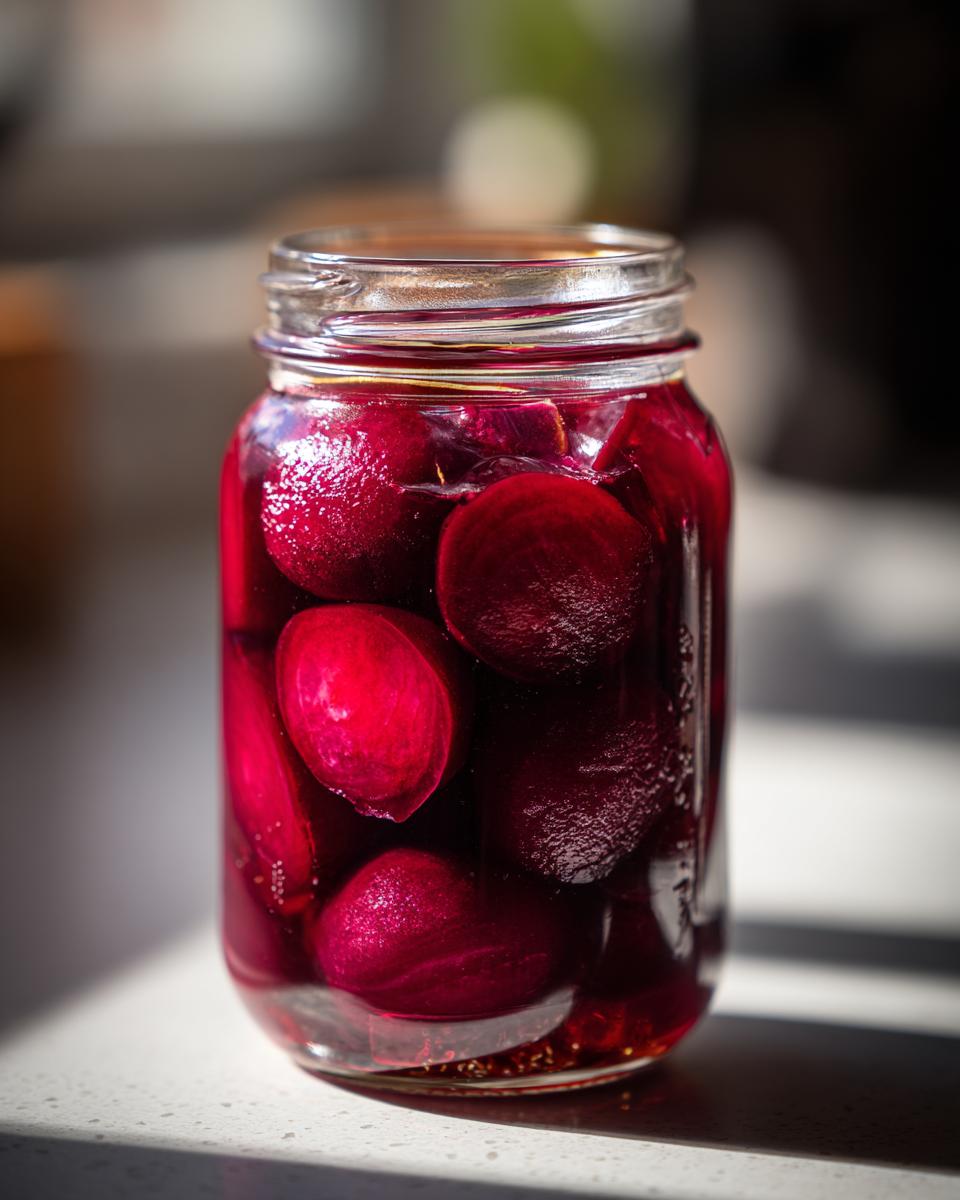
Simple Pickled Beets
- Total Time: 65 min
- Yield: Approximately 4 pint jars 1x
- Diet: Vegetarian
Description
A straightforward recipe for making tangy pickled beets at home.
Ingredients
- 2 lbs fresh beets, trimmed and peeled
- 2 cups white vinegar
- 2 cups water
- 1 cup granulated sugar
- 1 tablespoon pickling salt
- 1 teaspoon whole black peppercorns
- 2 whole cloves
Instructions
- Place the peeled and trimmed beets in a large pot and cover with water. Bring to a boil and cook until tender, about 20 to 30 minutes. Drain the beets and let them cool slightly. Cut the beets into bite-sized pieces or slices.
- While the beets cook, prepare the brine. In a separate saucepan, combine the vinegar, water, sugar, and pickling salt. Bring the mixture to a boil, stirring until the sugar and salt dissolve completely. Remove from heat.
- Pack the cooked beet pieces into clean, sterilized pint jars, leaving about 1/2 inch headspace.
- Add the peppercorns and cloves to each jar, distributing them evenly.
- Carefully pour the hot brine over the beets in the jars, making sure the beets are fully submerged and maintaining the 1/2 inch headspace.
- Wipe the rims clean, center the lids, and screw on the bands until fingertip tight.
- Process the jars in a boiling water bath for 10 minutes, adjusting for altitude if necessary. Remove jars and let them cool completely on a rack. Check seals after 24 hours.
Notes
- For best flavor, let the pickled beets sit for at least one week before eating.
- If you prefer a spicier pickle, add a pinch of red pepper flakes to the brine.
- Store sealed jars in a cool, dark place. Refrigerate after opening.
- Prep Time: 25 min
- Cook Time: 40 min
- Category: Side Dish
- Method: Canning
- Cuisine: American
Nutrition
- Serving Size: 1/2 cup
- Calories: 85
- Sugar: 18
- Sodium: 280
- Fat: 0
- Saturated Fat: 0
- Unsaturated Fat: 0
- Trans Fat: 0
- Carbohydrates: 21
- Fiber: 2
- Protein: 1
- Cholesterol: 0
Keywords: pickled beets, homemade pickles, beet recipe, canning beets, vinegar beets